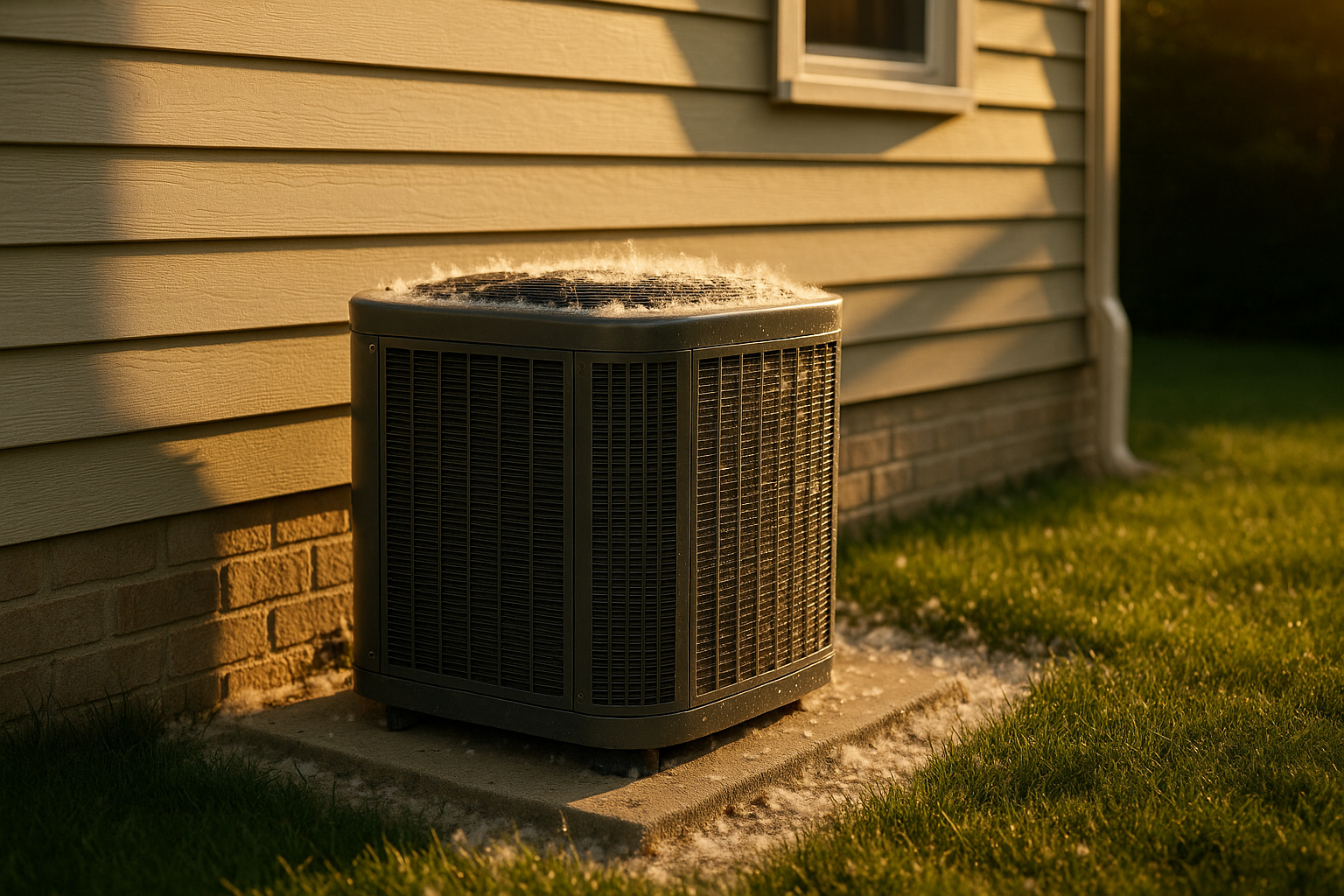
Last July, my neighbor Lisa called me from her porch in Fountain Square—she was practically in tears. Her AC had just quit during that stretch of 95° days with humidity you could swim through. The repair tech said her system was old enough to vote and that parts were getting scarce because of some 'refrigerant phaseout.' Lisa had no idea what that meant, except that she was staring down a $12,000 replacement and a lot of jargon. Sound familiar? You're not alone. Right now, a lot of Hoosier homeowners are bumping into the same confusing shift: from R-410A to something called R-454B. It's not a scam, it's not a gimmick—it's a real, regulated change that'll affect every new AC in the next few years. Let's talk about what it is, why it's happening, and what it actually means for your home in Indianapolis or the 'burbs like Carmel or Greenwood.
Wait, What Even Is R-454B?
Okay, simplest version: R-454B is the new refrigerant that a lot of AC and heat pump makers are switching to. It's an A2L refrigerant—which sounds scary, but just means it's mildly flammable (like a lot of stuff already in your house, honestly). The big deal is it has a way lower global warming potential (GWP) than the old R-410A. The EPA's AIM Act basically said, "Hey, we're phasing down high-GWP refrigerants," and 2025 is the year that the new equipment rolls out with low GWP options like R-454B. So, if you're shopping for a new AC or heat pump soon, you're gonna see this stuff.
So, Why's Everyone Freaking Out About Safety?
I get it. The word "flammable" makes people picture a fireball, but A2L is mildly flammable. Think cooking spray near a gas stove, not a propane tank. The new systems have built-in safety measures: leak detection sensors, special blowers that disperse any tiny leak, and they're tested under strict standards (stuff like UL 60335-2-40). Installers need extra training, too. A good local company—like the folks at HVACPros—have techs who know the codes and do things right. So, is it safe? Yeah, as long as it's installed by someone who's not winging it. (Check those reviews, seriously.)
Can I Just Put R-454B in My Old AC? (Spoiler: Nope)
Here's where a lot of people get tripped up. You cannot—repeat, cannot—just swap the refrigerant in your existing R-410A system. They're not compatible. The oils, the pressures, the whole setup is different. If your AC is getting up there in years (say, 10+) and you're riding the repair hamster wheel, you're probably looking at a full replacement. And that's actually good timing, because new units are designed from the ground up for R-454B and higher SEER2 efficiency. Plus, a lot of them are heat pump–ready, which is a nice option for Indiana's winters. If you're on the fence, this article on AC replacement vs. repair might help you think it through.
What Does This Mean for Installation and Cost?
Honestly? The refrigerant itself isn't the big cost driver. The big numbers come from things like: is your ductwork in okay shape? Do you need a new line set (those copper tubes)? What's your SEER2 target? (For our humid summers, shooting for at least SEER2 16 is a smart move.) And yeah, if your electrical panel is from the Eisenhower era, you might need an upgrade. The A2L stuff—like needing a specific leak detector or brazing in nitrogen—adds a little labor time, but not insane amounts.
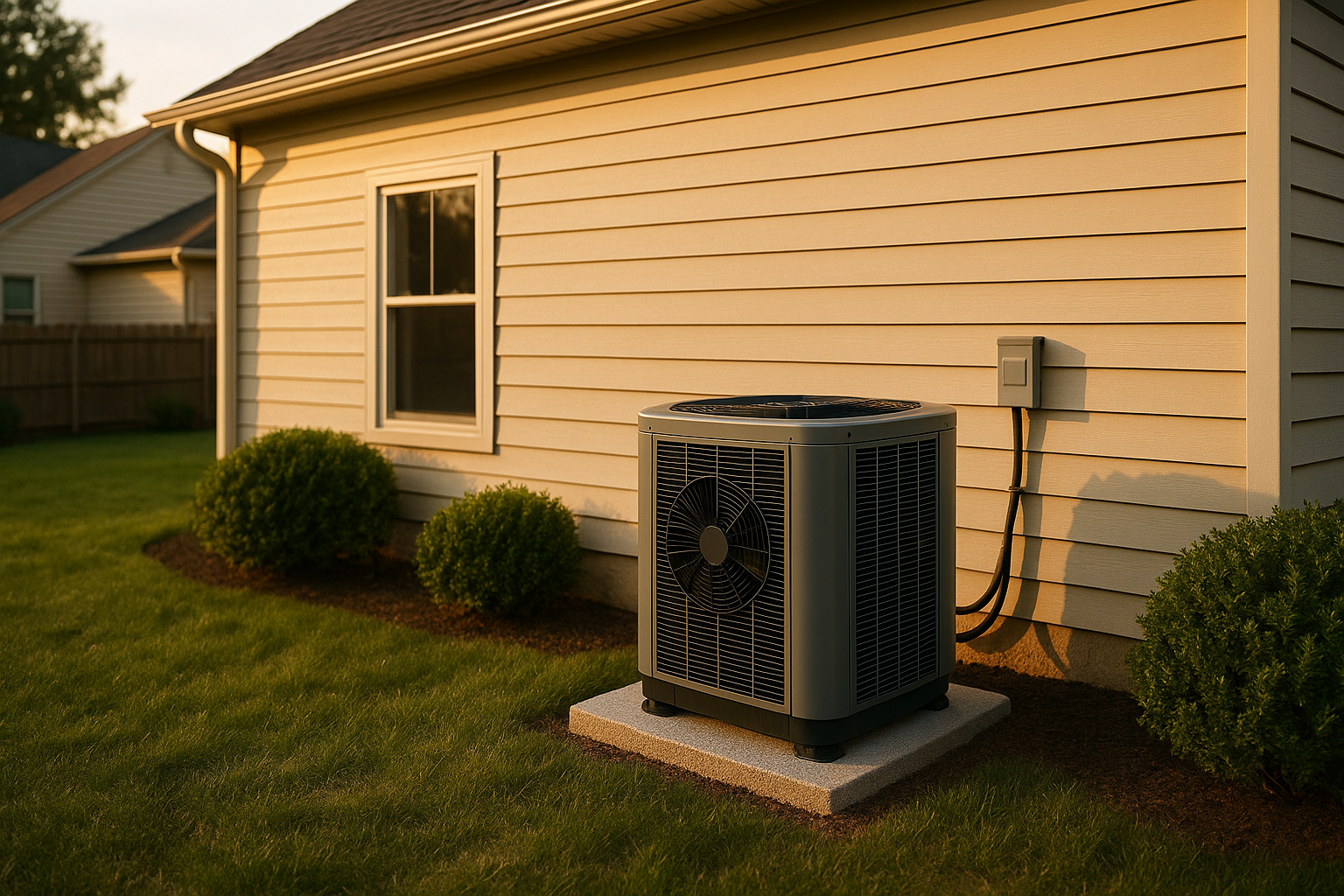
Local codes matter, too. Here in Marion County and surrounding spots like Fishers or Brownsburg, your installer has to pull permits and coordinate with the Authority Having Jurisdiction. They'll check clearances, airflow, and that the unit's pad is right. (Tight mechanical rooms in older Broad Ripple homes? Those need extra attention.) When I talked to a tech in Westfield, he said, "Half the job is just making sure the outdoor unit isn't kissing the bushes or blocking a window egress." Makes sense.
If the price tag makes your eyes water, look into HVAC financing options. A lot of local companies offer plans, and there might be AES Indiana rebates popping up. Always ask during the quote.
But Will It Actually Cool My House?
Short answer: yes, at least as well as a modern R-410A system. The testing I've seen puts R-454B's performance right up there. And many of these new units have better humidity control, which is a big deal when July hits and the air feels like soup. One homeowner in Zionsville told me her old AC would get the temp down but left the house feeling clammy. After putting in an R-454B heat pump, she said the comfort level was night and day. (Heat pumps are getting real popular around Noblesville; you can read about costs here.)
What If There's a Leak?
Good question, and one I hear a lot. Leaks are never great, but with A2L systems, they're designed to be really safe. The system has sensors that can shut things down if refrigerant levels drop. Plus, proper install means using pressure testing and leak-rated components. The biggest thing is to get a yearly tune-up—like we talk about here—so a tech catches any issues before they become a big deal. And no, your house won't explode. The concentration needed for ignition is way higher than what you'd get from a pinhole leak in a big room.
Should I Replace My AC Now or Wait?
If your unit is from the Obama administration or earlier, and you're already nursing it through each summer, don't wait until it croaks on a 95° Saturday. (That's when lead times stretch out like I-465 construction.) Most major brands are shipping R-454B models now, so availability is better than you'd think. Waiting won't make things dramatically cheaper; equipment prices tend to go one direction. Plus, future-proofing with a low-GWP system gets ahead of any tightening regulations.
The Local Angle: What an HVACPro Does Differently
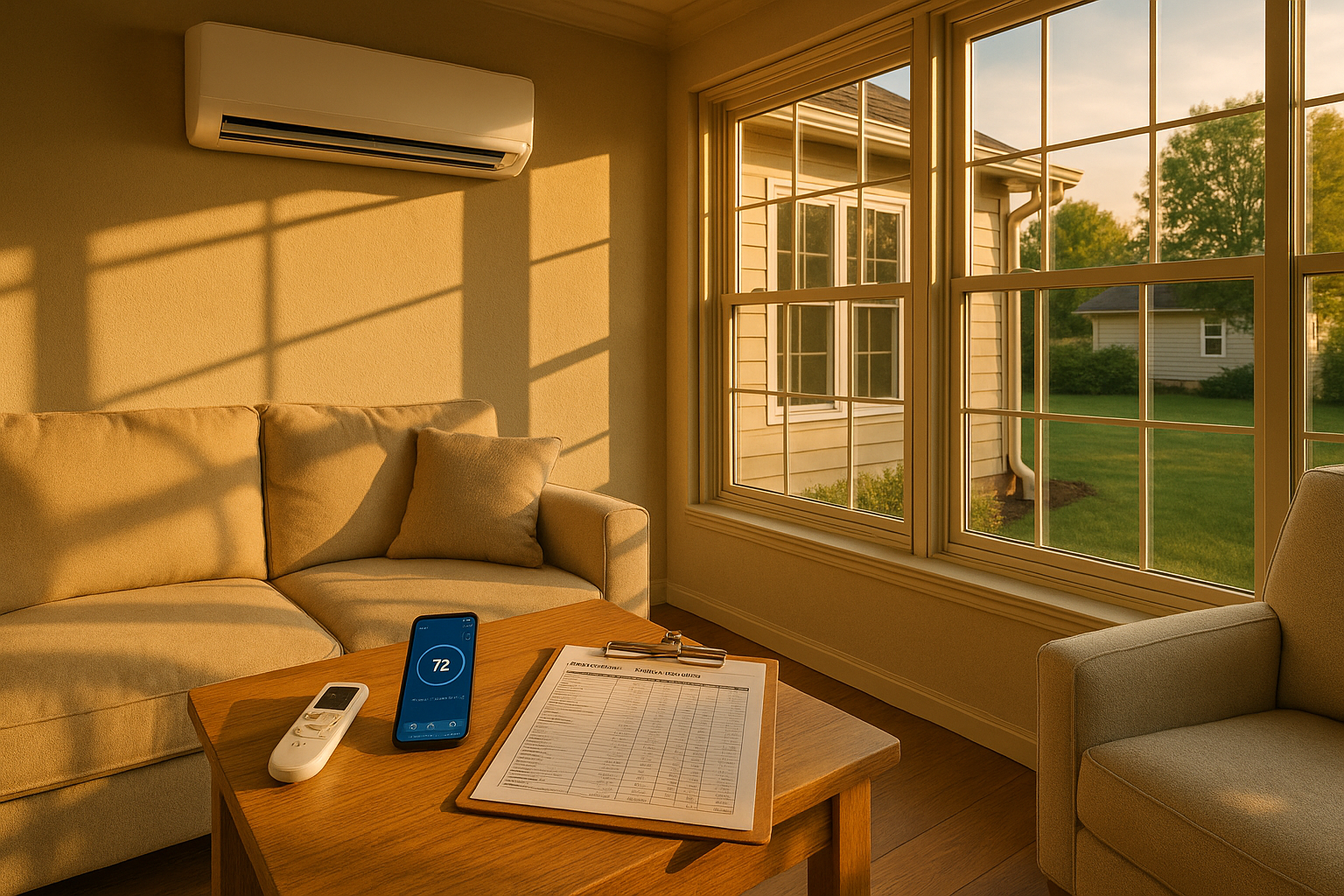
Here's what I've seen separate a rushed job from a good one. A solid installer (like HVACPros) doesn't just slap a unit in. They start with a home assessment. They measure your rooms, check your ducts, look at your insulation. They figure out if you're in a dusty old attic in Greenwood or a crawlspace in Plainfield, because that changes things. They walk you through the SEER2 options, talk about your budget, and don't pressure you. Then they pull the permit, do the work to code, and test everything. At the end, you get a written proposal that spells out all the parts, labor, and warranty. That's the kind of clarity that keeps you from second-guessing.
If you're starting to noodle on this, don't stress. Just get the facts. You can even book a no-pressure assessment to see where your current system stands. And if you're ready to talk R-454B specifics, the team at HVACPros can walk you through it and give you a straight answer on cost and timeline.
Bottom line? The refrigerant switch sounds complicated, but at its heart, it's about getting a more efficient, environmentally friendlier system that'll handle Indiana's mood-swing weather. You just need a pro who can translate the tech into plain talk and do the job right. That's the whole ballgame.
Ready for HVAC service or an upgrade?
NATE-certified techs, flat-rate diagnostics, and a free in-home assessment for any replacement — no pressure.