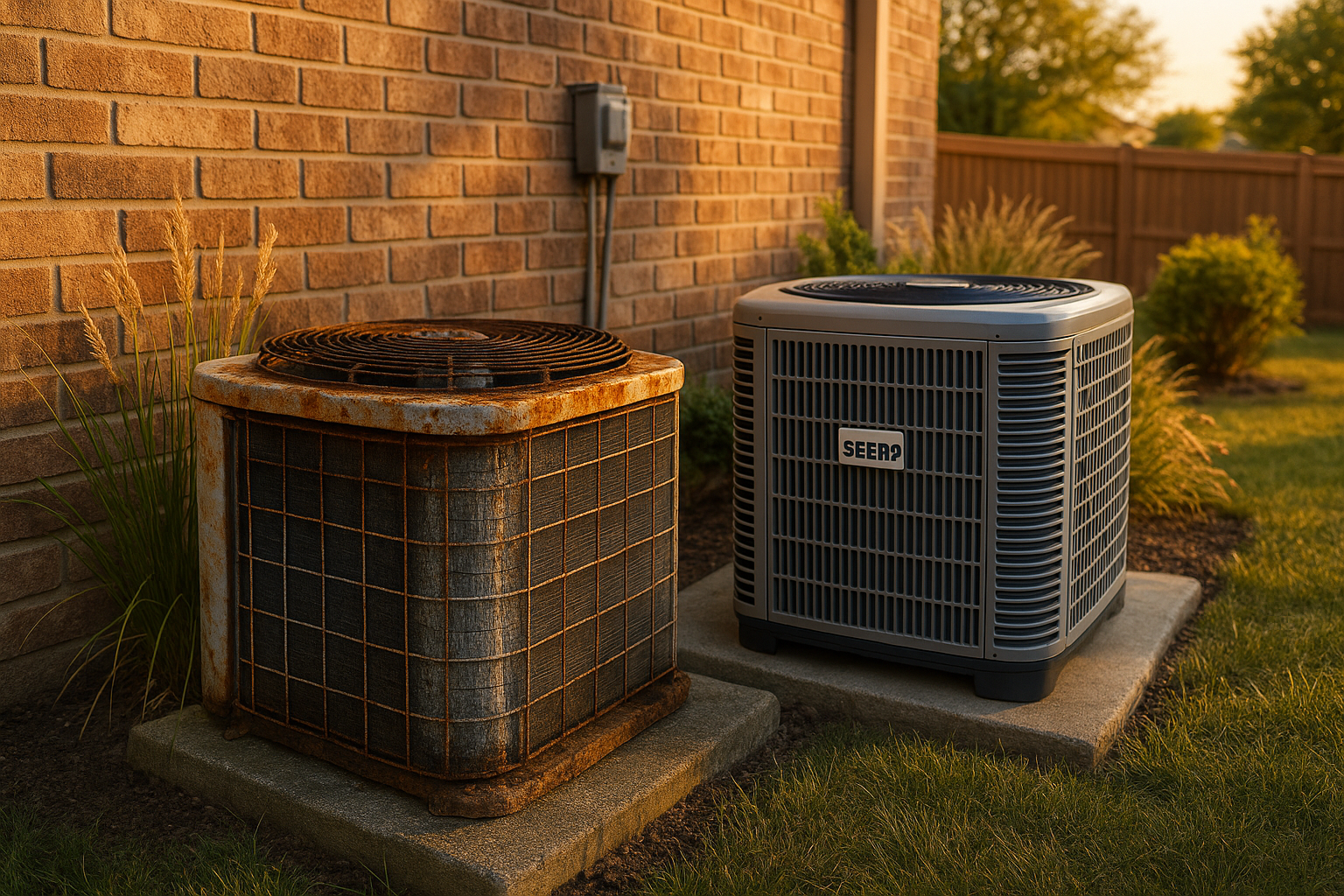
Last July, my buddy Jake called me in a full-blown panic. His AC had just given up the ghost right before his in-laws showed up for a week-long visit. Greenwood was hitting 95 and the humidity felt like a wet blanket. He'd been patching that old unit for years—it was 17, easy. "I thought these things lasted forever," he groaned. Nope. And honestly, after seeing the rust on his condenser and hearing the compressor scream, I told him he was lucky it made it past 15.
So, how long does an HVAC system last around here? Not forever, that's for sure. But the real answer depends on a bunch of things—what equipment you've got, how you treat it, and whether you live in a neighborhood like Center Grove or over by Freedom Park where cottonwood pollen clogs outdoor coils every spring. Let's break it down, friendly and simple, just like I'd explain it over a cup of coffee.
What's the Real Lifespan of an HVAC System in Indiana?
Most central AC condensing units last 12 to 15 years in our climate. Gas furnaces? They can hang around 15 to 20 years—sometimes longer if you've been meticulous with seasonal tune-ups. Heat pumps, which work year-round, tend to have a shorter lifespan, around 10 to 15 years, because they run harder in both cold and hot weather. I've seen plenty of boilers soldiering past 20 in older Greenwood homes, but those are different beasts.
These aren't just textbook numbers. That 12–15 year AC range? In Greenwood, with our sticky, long summers, a unit that's sized wrong or rarely cleaned might be wheezing by year 10. The freeze-thaw cycles in winter don't do your heat exchanger any favors, either. So when folks ask me "how long does an air conditioner last," I always say: it depends heavily on whether you've been faithful with spring checkups and kept the outside coil free of gunk.
What Even Counts as an HVAC System?
Most people just think of the big box outside. But your HVAC system is really a team: the outdoor condenser (or heat pump), the indoor furnace or air handler, the evaporator coil, the ductwork weaving through your home, and even that thermostat on the wall. Each part ages differently. I've seen houses where the furnace is still chugging at 25 but the AC coil is so corroded it's leaking refrigerant. When one piece goes, you've got to think about the rest—mixing an old coil with a new outdoor unit can void warranties and kill efficiency.
Why Greenwood's Climate Beats Up Your HVAC
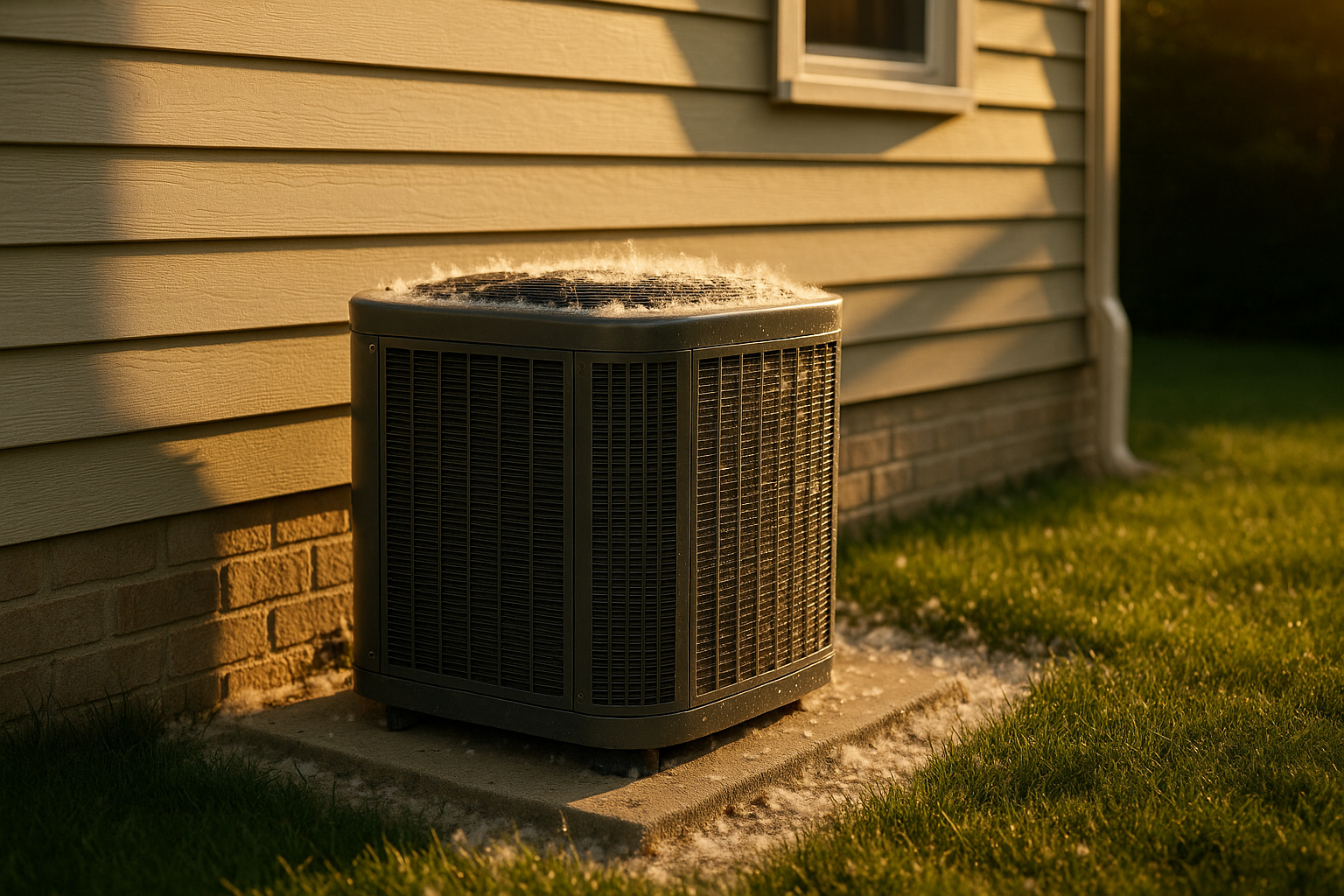
Our weather is tough on equipment. July and August mean your AC might run 12+ hours a day. That constant churn wears out capacitors, compressors, and motors faster than in milder climates. Then come January and February, your furnace is seeing frequent, long burns. The freeze-thaw cycles around here—especially near driveways where road salt gets kicked up—can accelerate corrosion on outdoor units. Add in the cottonwood fuzz every May and June that blankets coils like a fur coat, and you've got a recipe for an early retirement if you're not cleaning it off.
I remember a guy in Noblesville who planted decorative grasses right next to his condenser. Looked pretty, but the grass clippings and pollen were choking the airflow. By year 8, his compressor was toast. Keep at least 2 feet of clearance, folks.
5 Signs Your HVAC is Begging for Retirement
I've seen these warning signs on practically every system that's past its prime:
- Energy Bills Climbing – If your Duke Energy bill is creeping up even though the weather's the same, the system's efficiency is tanking. Newer units with SEER2 ratings above 15 can slash those costs.
- Some Rooms Hot, Some Cold – Uneven temps often point to duct leaks, a failing blower, or a system that's just not pushing the right airflow anymore. One homeowner over in Westfield ignored this for three years—turns out his ductwork had a tear the size of a dinner plate.
- Funny Noises – Rattling, hissing, or grinding? Those are compressor or fan motor death rattles. It's usually cheaper to replace than to crack open a sealed compressor.
- Short Cycling – If your AC kicks on and off every five minutes, it's either oversized or struggling. Either way, it's torture on the equipment and your humidity levels.
- Leaking or Icing Up – Refrigerant leaks aren't just a top-off fix anymore. If you've got an older R-22 system, that stuff is basically extinct. And if your furnace flame is yellow instead of blue? Turn it off and call someone—that's a cracked heat exchanger, a safety risk.
Repair or Replace? How to Make the Call in Greenwood
Here's my personal rule of thumb: if the repair estimate is more than half the cost of a new system, and the unit is over 10 years old for AC (or 15 for a furnace), just replace it. You'll get better efficiency, modern comfort features, and a fresh warranty that'll last a decade or more. I'll often weigh in the energy savings—a high-SEER2 unit can cut cooling costs by 20-30% in our muggy summers. Check out our guide on repair vs. replacement for a clearer picture.
And don't mix and match blindly. If you're tempted to swap just the AC and keep a 20-year-old furnace, you might run into airflow mismatches or kill the warranty on the new coil. A matched pair often saves money long-term because everything was designed to work together. Plus, with rebates and financing options, the upfront sting can be a lot less.
Can a New High-Efficiency System Actually Save You Money?
Absolutely—if you pick the right setup for your home size and how you live. SEER2 ratings for ACs (and SEER2/HSPF2 for heat pumps) measure cooling efficiency; AFUE percentages for furnaces measure how much heat you get from your gas dollar. In Greenwood, with our balanced mix of heating and cooling bills, a variable-speed furnace (modulating gas valve) can hum along quietly at a low fire most days, saving gas and improving comfort. The same goes for two-stage ACs that run on low most muggy afternoons, pulling moisture out of the air without blasting full tilt.
Indiana has some decent rebates and federal tax credits for high-efficiency equipment right now. I'd recommend checking current incentives—they can really shrink the payback timeline on a premium system.
Don't Forget the Ductwork
Leaky or undersized ducts are one of the biggest lifespan killers nobody talks about. I've measured systems with 30% air loss in attics and crawlspaces. That forces your equipment to run harder, overheating motors and cracking heat exchangers. In an older Greenwood home, it's worth having us check the ducts with a pressure test. Sometimes sealing and insulating them gives you a few more comfortable years out of the existing system—and it's essential for a new one.
Simple Maintenance That Adds Years to Your HVAC
Small things, huge impact: - Change filters every 1-3 months, especially during heavy pollen season. - Schedule a spring AC tune-up to clean coils, check refrigerant, and tighten electricals. - Get a fall furnace check to inspect the heat exchanger and gas pressure. - Keep that outdoor unit clear—hose off cottonwood fuzz and pull back mulch.
I've seen a couple in Fishers add five years to their 10-year-old AC simply by committing to yearly maintenance and filter swaps. It's not rocket science.
What's This About New Refrigerants?
Starting in 2025, the HVAC world is shifting to next-gen refrigerants with lower global warming potential. R-410A is still common, but its days are numbered. That doesn't make current equipment instantly obsolete, but it does mean if your coil leaks in a decade, parts and refrigerant might be pricier. When you're weighing repair vs. replace, remember: a new system today uses a refrigerant that'll be serviceable for its entire lifespan.
Ready for a Straight Answer? Let's Check Your System's Vitals
You don't need to lose sleep over this stuff. At HVACPros, we come out to your Greenwood home (or Zionsville, Brownsburg, Plainfield—wherever you are in the metro) and give you a no-BS lifespan evaluation. We'll check the big three: your outdoor unit, your furnace, and your ducts. Then we'll lay out a written scope with options—repair if it makes sense, or replacement with firm numbers, efficiency projections, and any available rebates. No pressure, no slick sales pitch.
Just drop us a line and we'll find a time that works. You'll know exactly where you stand, and you won't be sweating it out when the in-laws show up.
Ready for HVAC service or an upgrade?
NATE-certified techs, flat-rate diagnostics, and a free in-home assessment for any replacement — no pressure.