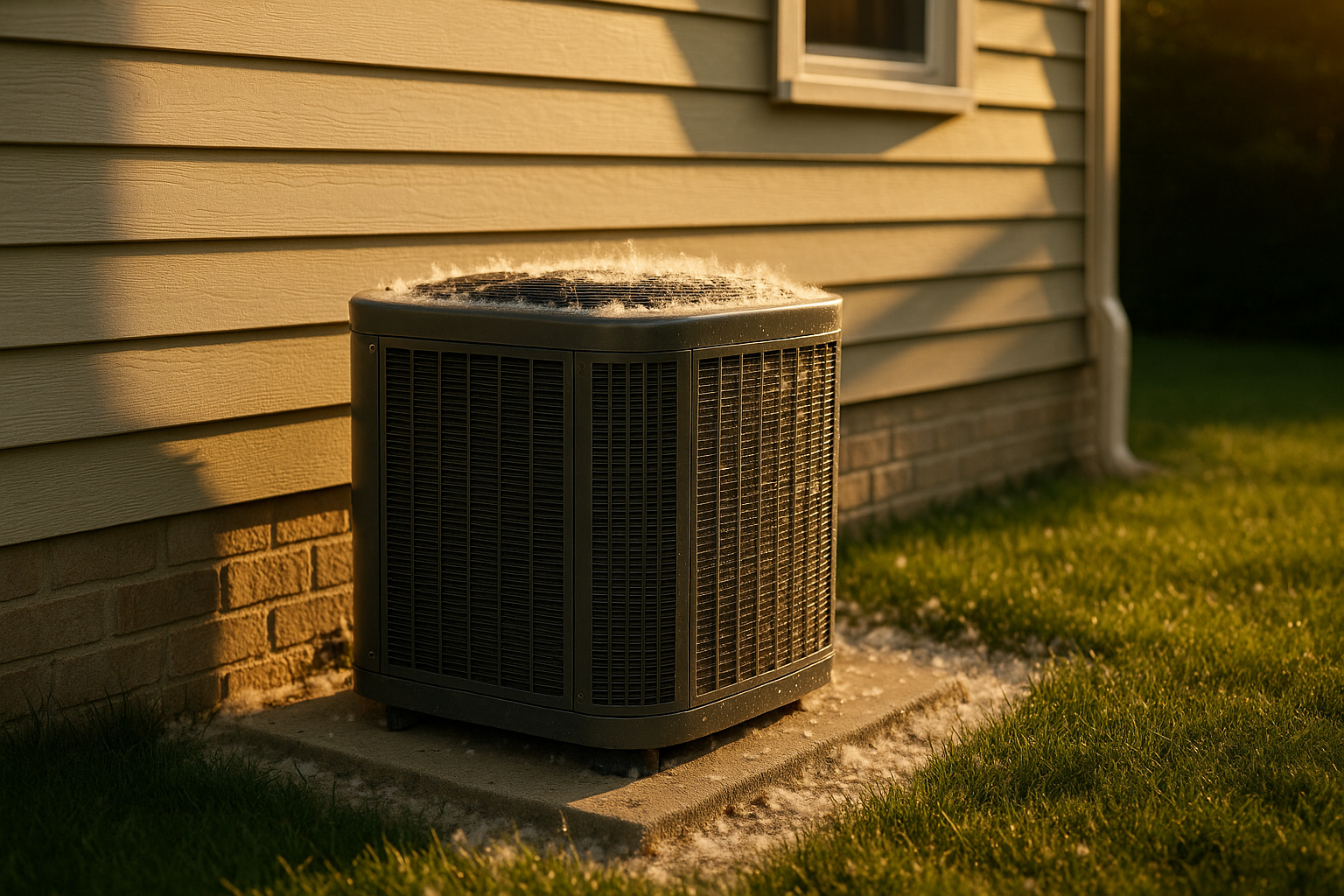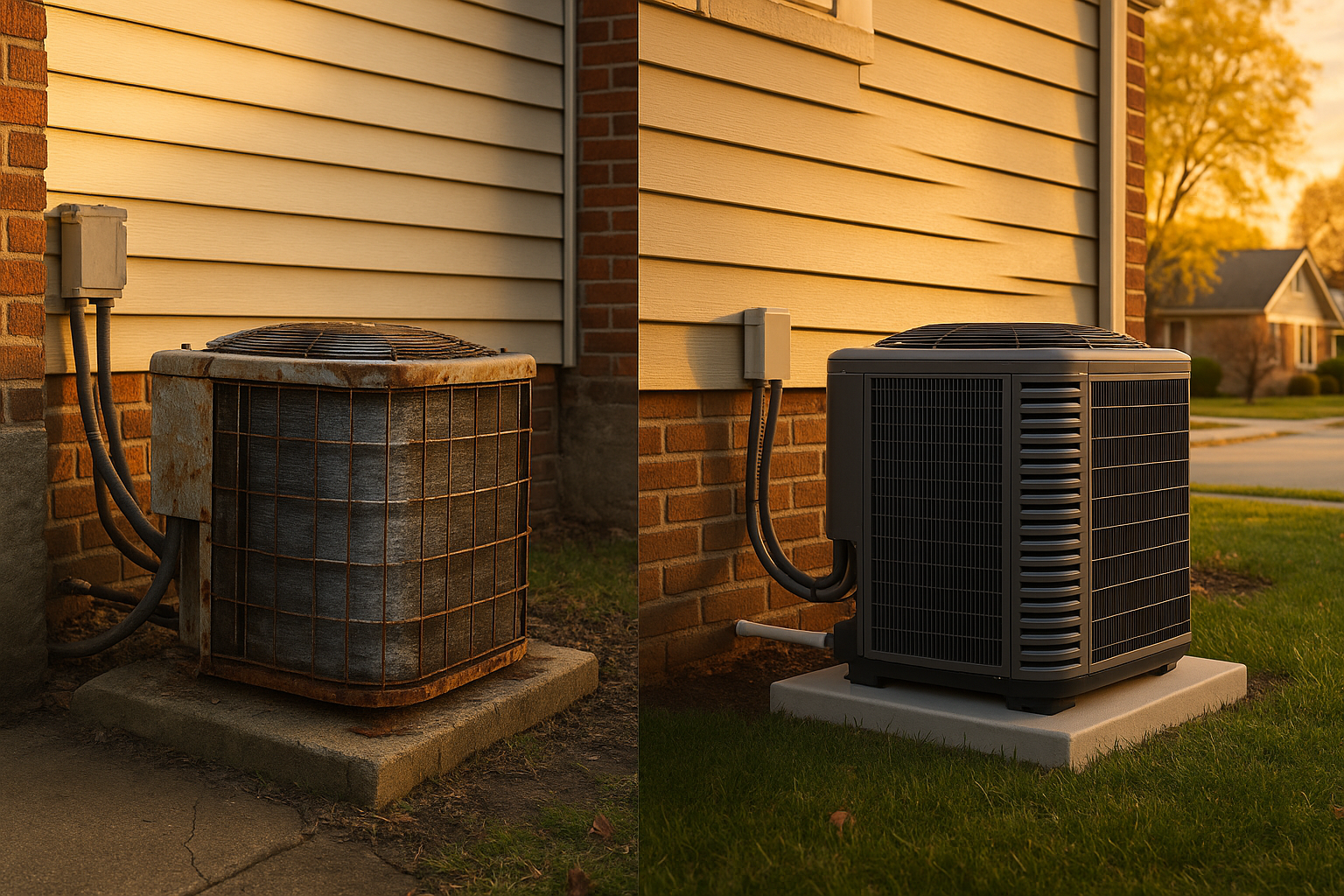
Last January, a family in Broad Ripple woke up to a house colder than a walk-in freezer. Their furnace had finally given up. Two kids, a dog, and a thermostat reading 47 degrees. They needed a fix now, but the idea of dropping $8,000 or more all at once felt impossible. That panic is real — and it’s why so many Indy homeowners end up patching old equipment year after year, crossing their fingers through another polar vortex.
But there’s a better way. HVAC financing lets you replace that unreliable system now, with predictable monthly payments that don’t drain your savings. At HVACPros, we’ve helped folks from Fishers to Greenwood breathe easier — literally and financially — by walking them through a boring-free, no-surprise process.
Why finance instead of waiting for disaster?
Hoping your AC or furnace will hang on another season is a gamble. And in Indianapolis, where summers can feel like a steam bath and winters bite hard, a sudden breakdown means emergency pricing, limited equipment choices, and stressed-out households. Financing flips the script: you get the system sized correctly for your home (no oversized units that short-cycle and leave you muggy), you lock in energy savings from day one, and you spread the cost into fixed monthly chunks that fit your budget.
Think about it this way: a modern, high-efficiency heat pump or furnace could cut your utility bills by 20–30%. When you finance, those savings often offset a big chunk of the payment. It’s like the house paying you back for upgrading.
What does HVACPros actually do?
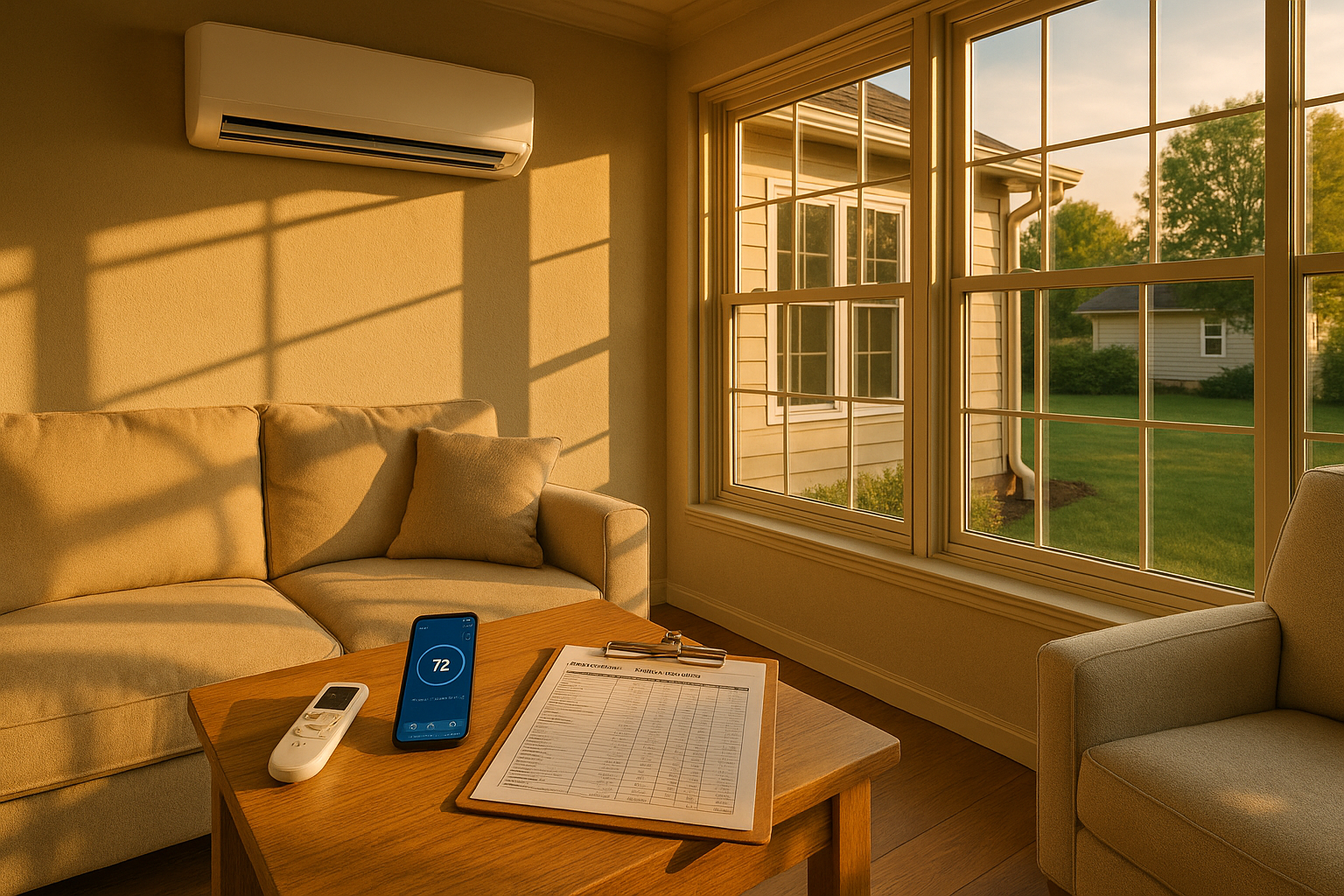
We’re not a bank, but we work with vetted third-party lenders who understand heating and cooling replacement projects. Our part is making sure the loan amount covers everything you actually need — no surprise extras. Before you ever apply, we come out for a planning-first visit. We look at your current system, ductwork, insulation levels, and your home’s layout. Then we write up a clear scope: equipment model numbers, any duct adjustments, a smart thermostat, maybe a whole-house humidifier, permits, and even old unit disposal. That number is what you’ll finance. No hidden fees, no prepayment penalties if you want to pay it off early.
Financing formats that make sense
We’ve seen all kinds of Indy homes, from a 1920s bungalow in Irvington to a two-story in Zionsville. So the financing options are flexible. Most homeowners go with a fixed-rate installment loan — 24, 60, even 120 months, depending on what monthly payment feels comfortable. Longer terms mean lower payments; shorter terms save you overall interest. Our job is to show you a few side-by-side so you can pick. There are sometimes promotional plans too (like 0% for a period), but those come and go. What never goes away: you can pre-qualify online in minutes with a soft credit pull that won’t ding your score. Hard pull only happens when you’re ready to move forward.
How much does a new system actually cost around here?
Ballpark? A straightforward AC and furnace swap in a typical 2,000-square-foot home might land between $7,500 and $14,000, depending on efficiency levels and ductwork needs. Heat pumps and dual-fuel systems can shift that range, and if you’ve got a historic place in Meridian-Kessler with tight closets or a crawlspace, that changes the install. No website can give you a firm quote without seeing the job, but we’re upfront about realistic numbers during that first visit. You’ll know exactly what you’re signing up for. For a deeper dive, we put together a guide on new AC unit costs in Indianapolis that breaks it all down.
Can you really combine rebates and tax credits with financing?
Yes. A lot of people think financing means you can’t use incentives — totally wrong. Many high-efficiency heat pumps, furnaces, and mini-splits qualify for federal tax credits (through 2032, under current rules) and Duke Energy or AES Indiana rebates. You still get those benefits even when payments are spread over time. In some cases, the rebate comes right off the top of the project cost before financing is calculated. We help you file paperwork and point you to our Indiana HVAC rebates and tax credits guide for 2026 so you don’t miss anything.
Equipment that actually fits Indy’s weather
We get the question all the time: “Can a heat pump really keep up when it’s 5 degrees outside?” Short answer: yes, modern cold-climate heat pumps can handle Indiana winters, and we’ve installed them in homes across Noblesville and Westfield that are toasty even during a January cold snap. That said, gas furnaces still make sense for a lot of homes — especially if you already have natural gas service and like that fast, hard heat. Dual-fuel setups (heat pump paired with a gas furnace backup) are a sweet spot for many: efficient in mild weather, furnace kicks in when it’s brutal. If you’re curious, we wrote more about heat pump performance in cold Indiana weather. Not sure what’s right? We’ll walk through the pros and cons based on your house, not a brochure.
For homes with older ductwork or room additions, we also talk about ductless mini-splits. They’re incredibly efficient and give you room-by-room control. In places like Fountain Square where retrofitting ductwork can be a nightmare, a ductless system can be the perfect solution — and yes, we can roll it all into the same financing. Our mini-split pros and cons guide explains more.
The stuff that doesn’t make it into the brochure
Installation quality matters way more than the brand sticker on the side of the unit. Things like properly sealed duct transitions, correct refrigerant charge, insulated line sets, and safe gas venting directly affect how long your system lasts and how comfortable your home feels. In Indianapolis and nearby suburbs like Brownsburg and Avon, replacing a system almost always requires a permit — and a final inspection to make sure everything’s up to code. We handle that from start to finish, no extra runaround. Our crews are trained to treat your home like their own, right down to the clean-up.
But what about … (the stuff people worry about)
Look, financing can feel like a maze. But here’s the deal: you don’t need to be a spreadsheet wizard to get through this. Pre-qualification takes about two minutes online, and it won’t wreck your credit score. Rates depend on your credit profile and loan term, but we’ve seen plenty of competitive rates for average credit. There are no hidden fees, and you can always pay it off early without a penalty. You won’t be pushed into more equipment than you need — our whole pricing model is based on what your home actually requires. And we regularly combine rebates, tax credits, and financing without a hitch.
We’ve also heard concerns about local installers versus big-box chains. Honestly, the advantage of a local company like HVACPros is that we actually answer the phone if something goes wrong. We know the inspectors in Marion County, we understand the quirks of a 1950s basement install in Greenwood, and we’re not going anywhere.
Your next step, without the pressure
The best time to schedule a replacement is actually before you’re desperate. Spring and fall usually have more install flexibility, but financing is available year-round. Start with a no-obligation estimate — we’ll come out, size things up, give you a clear written scope, and show you payment options that make sense. If you like what you see, we can often get you scheduled within days after approval. No pushy sales tactics, just real numbers.
Ready to stop worrying about the next breakdown? Get your free estimate and see financing options. We’ll help you keep your home comfortable without breaking the bank.
Ready for HVAC service or an upgrade?
NATE-certified techs, flat-rate diagnostics, and a free in-home assessment for any replacement — no pressure.