It was the first heat wave of June, and the Bennett family's AC in their Broad Ripple bungalow just quit. The house had that stale, sticky feeling—like a gym locker room. The unit was 14 years old, still running on R-22 refrigerant, and the repair guy said it would cost $2,000 to patch it up, with no guarantees it'd make it through August. They were stuck: sink more money into a dying system or bite the bullet on a full replacement. So they started calling around for quotes. And that's when the real confusion hit. One company said $5,500 for a basic 14 SEER2 unit. Another quoted $12,000 for a variable-speed AC with all the trimmings. Why such a jump? And what's a fair new AC unit cost in Indianapolis, anyway?
Here's what we see in today's Indianapolis market as we head into 2026. These aren't internet price lists—they're real installed costs with permits, labor, and code-compliant work.
- AC only: $5,500–$12,000
- Furnace only: $4,500–$9,500
- Full AC + furnace system: $9,500–$20,000
- Cold-climate heat pump system: $8,500–$16,000
- Ductwork corrections or additions: $2,000–$8,000 (if needed)
Of course, the final number depends on your home, the equipment, and what surprises your basement or attic is hiding. Let's dig into what drives those numbers around here.
What Makes the Price Go Up or Down?
In Indy, a few things really swing the cost of a new AC system. First up: size. Not the physical footprint of the unit, but the cooling capacity measured in tons. Too many folks guess based on square footage alone, but a proper Manual J load calculation accounts for windows, insulation, and how much sun hits your roof. A 2,000 sq ft 1920s bungalow in Irvington might need a different tonnage than a 2,000 sq ft new build in Westfield. Oversized equipment cycles on and off too fast, leaving you clammy and wasting energy. Undersized means it runs forever and can't keep up on a 90-degree day.
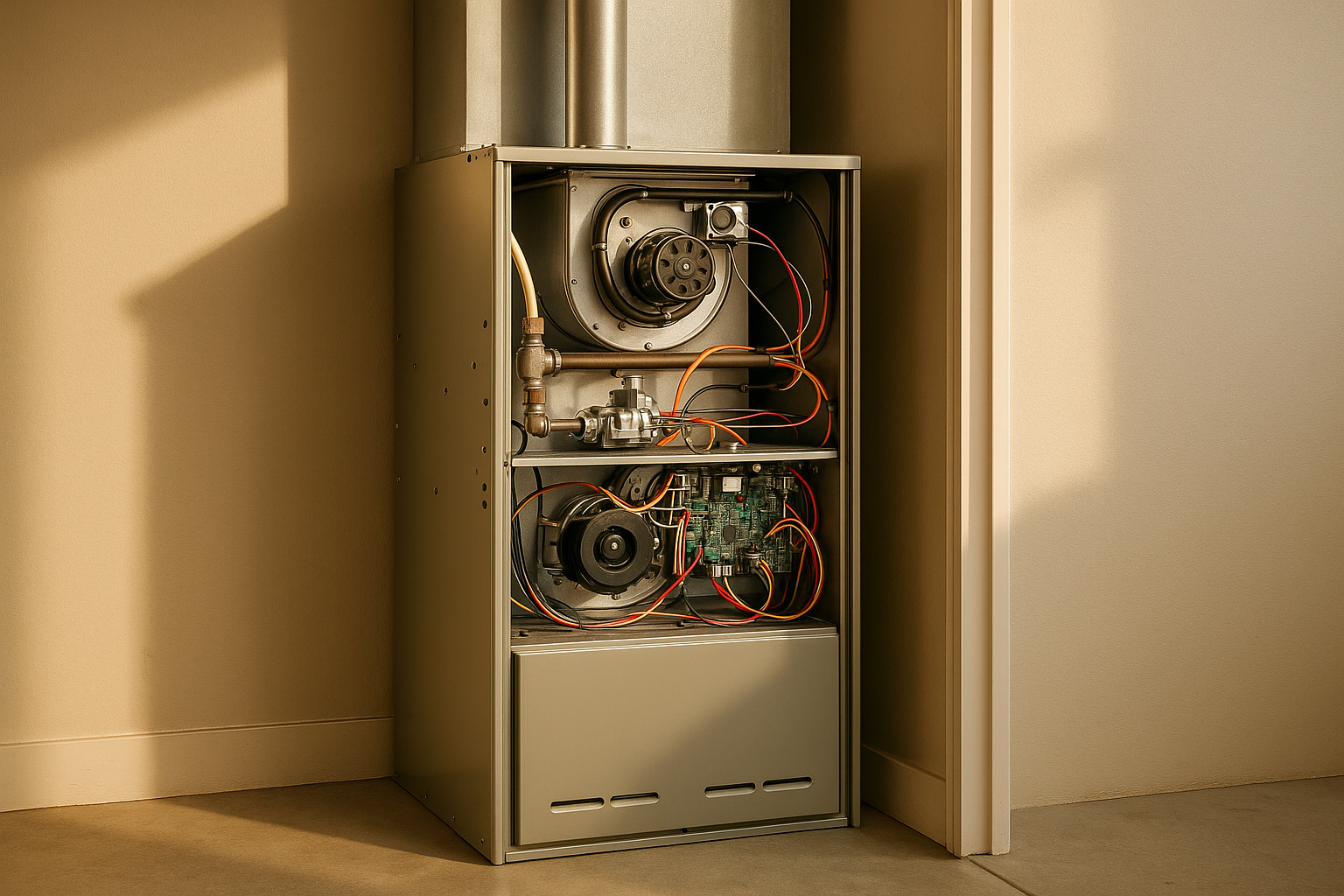
Then there's the efficiency rating. SEER2 is the new standard since 2023—it measures real-world seasonal cooling efficiency. A basic single-stage AC with 14 SEER2 gets the job done, but a two-stage or variable-speed unit with 18 SEER2 or higher will pull more moisture out of the air, run quieter, and cut those AES Indiana bills. Those nicer systems cost more upfront, obviously. Same deal with furnaces: an 80% AFUE furnace is cheaper to buy but costs more to run than a 96% high-efficiency model. If you're replacing both at once (which we often recommend to get matched performance and better warranties), the combined system price can land anywhere from $9,500 to $20,000, depending on how high you climb the efficiency ladder.
Installation details matter, too. Is your furnace in a tight basement space that requires extra duct transitions? Does the outdoor unit need to sit on a composite pad in a side yard where the neighbor's bedroom window faces? (Cue the noise complaints if you skip a low-sound model.) Electrical may need upgrading if you're moving from an old R-22 system to a new heat pump with electric heat strips. And don't forget the condensate drain—basement installs often need a pump and freeze protection so nothing cracks when the temperature drops to single digits.
Heat Pump or AC + Furnace? What's Right for Indiana?
A lot of homeowners are asking about heat pumps lately, and for good reason. A modern cold-climate heat pump can heat your home down to well below freezing, then switch to backup heat strips or a gas furnace (called dual-fuel) on those brutal January nights. The cost to replace an HVAC system with a high-efficiency heat pump setup usually runs $8,500 to $16,000, but you might save enough on heating bills during the shoulder months to make the math work. We've put heat pumps in homes in Fishers and Noblesville that kept the house cozy even when the temp dipped to 5°F last winter. Check our breakdown of heat pump performance in Indiana winters if you're still on the fence.
Don't Forget About the Ducts
If your house was built before Nixon was president—looking at you, Meridian-Kessler and Broad Ripple—there's a good chance your ductwork is leaky, undersized, or just plain beat. You can't just slap a new high-efficiency AC onto lousy ducts and expect it to work right. We often find returns that are too small, causing the system to suck air from weird places and making that annoying roar at the grilles. Adding a return or sealing up joints in an unfinished basement can add $2,000 to $8,000 to the job, but it makes a night-and-day difference in comfort and noise. And if you've ever noticed one room that's always ten degrees warmer than the rest, undersized ducts are probably the culprit. Uneven cooling is a classic sign something's off.
Permits, Inspections, and the Legal Stuff
Every proper AC replacement in Indianapolis and Marion County requires a permit and inspection. That includes things like the outdoor disconnect box, the line-set, how the drain is routed—all of it has to meet current code. When you're getting quotes, make sure the permit fee and inspection scheduling are baked in. No line-item surprises later.
How to Pay for It: Rebates, Tax Credits, Financing
Nobody loves writing a big check. The good news is there are some solid ways to soften the blow. Federal 25C tax credits can knock off a chunk of the cost if you pick high-efficiency equipment. Locally, AES Indiana and Duke Energy often run rebates—the amounts change by season and ZIP code, so we always verify the latest programs before quoting. Our Indiana HVAC rebates and tax credits guide keeps current details. On top of that, fixed monthly financing can spread the cost over time, and sometimes the energy savings offset a big part of the payment. Don't downgrade to a builder-grade unit just to save a few bucks now—you'll pay it back in utility bills and humidity misery.
Get a Quote That Actually Tells You Everything
When you're comparing bids, ask for a line-item scope of work. A real quote shows equipment model numbers and efficiency ratings, exactly what's included (pad, disconnect, new line-set, drain, thermostat), any duct changes with reasoning, permit and inspection fees, warranty details, and post-install testing. We provide all that up front so you're not guessing what you're buying. And yes, we do a proper Manual J load calculation every time—no rule-of-thumb sizing.
If the Bennett family had known all this, they could've skipped a lot of stress. They ended up with a mid-range two-stage AC and a new 96% furnace, and the house felt like a completely different place—quiet, even temps, no more wrestling with the thermostat.
Thinking about your own AC situation? Schedule a planning-first in-home quote and we'll measure, check ducts and electrical, and walk you through a few good/better/best options. You'll see the real numbers in black and white, with no pressure. Just honest advice from folks who've sweated through plenty of Indiana summers themselves.
Ready for HVAC service or an upgrade?
NATE-certified techs, flat-rate diagnostics, and a free in-home assessment for any replacement — no pressure.