My neighbor John called me last July, panicking. His AC had been humming all afternoon, but his living room sat at 85 degrees. He'd already turned the thermostat down to 60. Nothing. When I popped over, I touched the big copper line at his outdoor unit—it was warm, not cold. That's never a good sign.
We all know that feeling. The AC is running, the fan's blowing, but the air coming out feels like a warm breeze. It's enough to make you want to camp out at the grocery store. But before you lose your cool (sorry, I couldn't resist), let's walk through what's really happening and what you can do about it—especially here in Greenwood and around Indy, where summer loves to pile on humidity and heat.
Start Here: Simple Fixes You Can Try Right Now
Before you call a professional, a few quick checks might save you a service call. I'm not saying these will fix a broken system, but they've saved more than one hot Saturday in Johnson County homes.
-
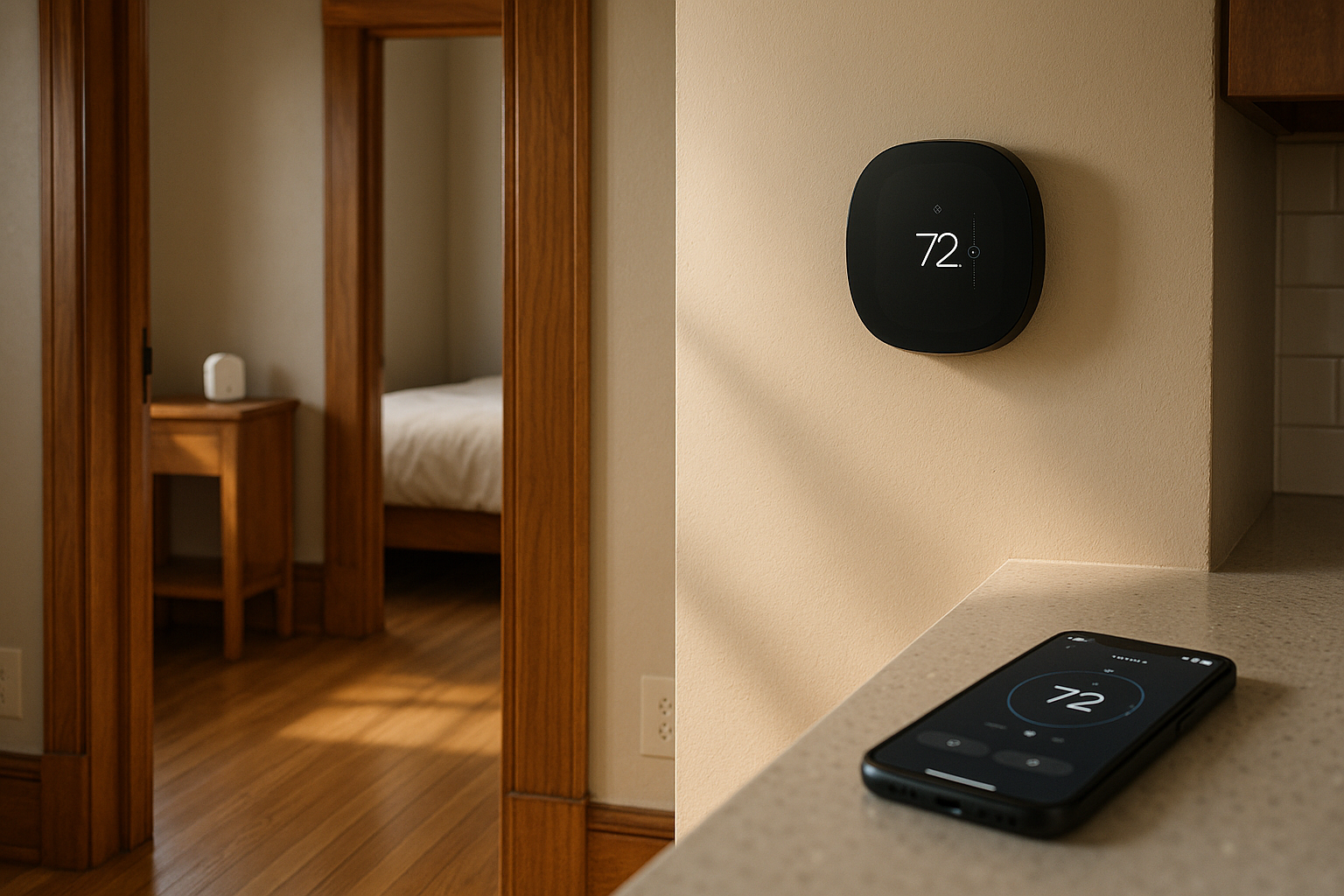
Thermostat settings. Make sure it's set to "Cool" and the fan is on "Auto," not "On." When the fan runs nonstop, it blows air even when the system isn't actively cooling—and that air can feel warm and sticky. Also, check the display. Dead batteries in older thermostats? Yep, that'll stop the cooling call dead. If you've got a schedule set, make sure someone didn't accidentally override it. (My own kid once set ours to 78° without telling anyone. Good times.)
-
Air filter. Go look at it. A dirty AC filter is like trying to breathe through a sweatshirt. A clogged one chokes airflow, making the system work harder and often freezing up the coil. Swap it out if it's gray and fuzzy. In Greenwood, with all the trees and pollen, I check mine every 30 days in summer.
-
Vents and returns. Walk every room. Are any supply vents closed? People often shut them in unused rooms, thinking it saves energy. It actually messes up airflow and can make the whole system struggle. Make sure return vents aren't blocked by furniture or curtains. I've seen a couch shoved against a return grate—the AC was gasping for air.
-
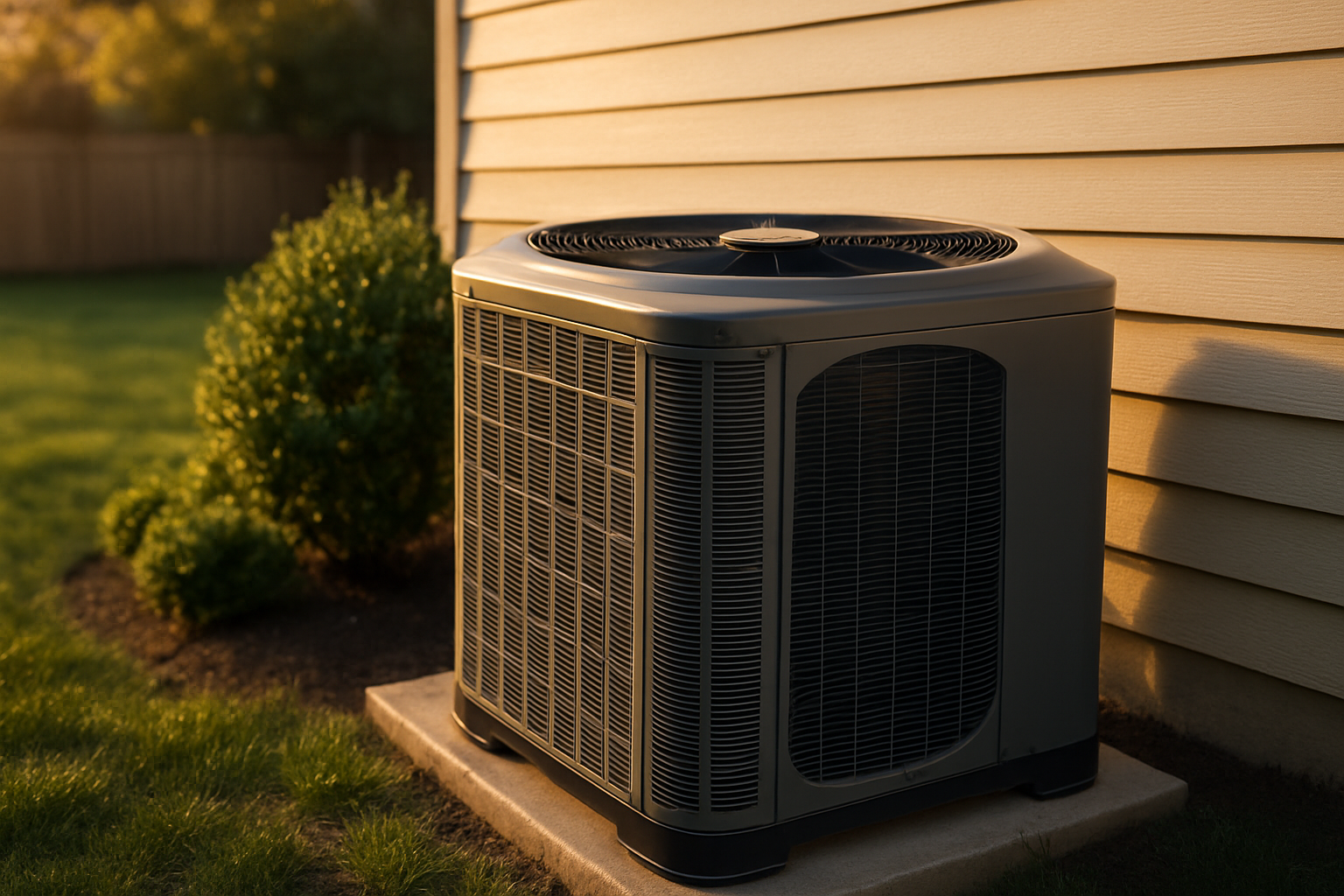
Outdoor unit. Head outside. Is the condenser hidden behind a bush or fence? Is it covered in fluff? Every late spring around here, cottonwood trees unleash a blizzard of sticky white seeds. They plaster the condenser fins and block heat transfer. You can gently hose the coils from the inside out (after turning the breaker off!) to clear off debris. Keep at least 2–3 feet of clearance around the unit.
-
Breaker and disconnect. Check the breaker box. Sometimes the outdoor unit's breaker trips, so the indoor fan runs but the compressor outside is dead. Also look for a small gray box near the condenser—an outdoor disconnect switch. Make sure it didn't get bumped off.
If none of that does the trick, don't sweat it (pun intended again). The problem might be a little deeper.
The Usual Suspects: What Makes an AC Run But Not Cool
That Ice Isn't a Good Sign
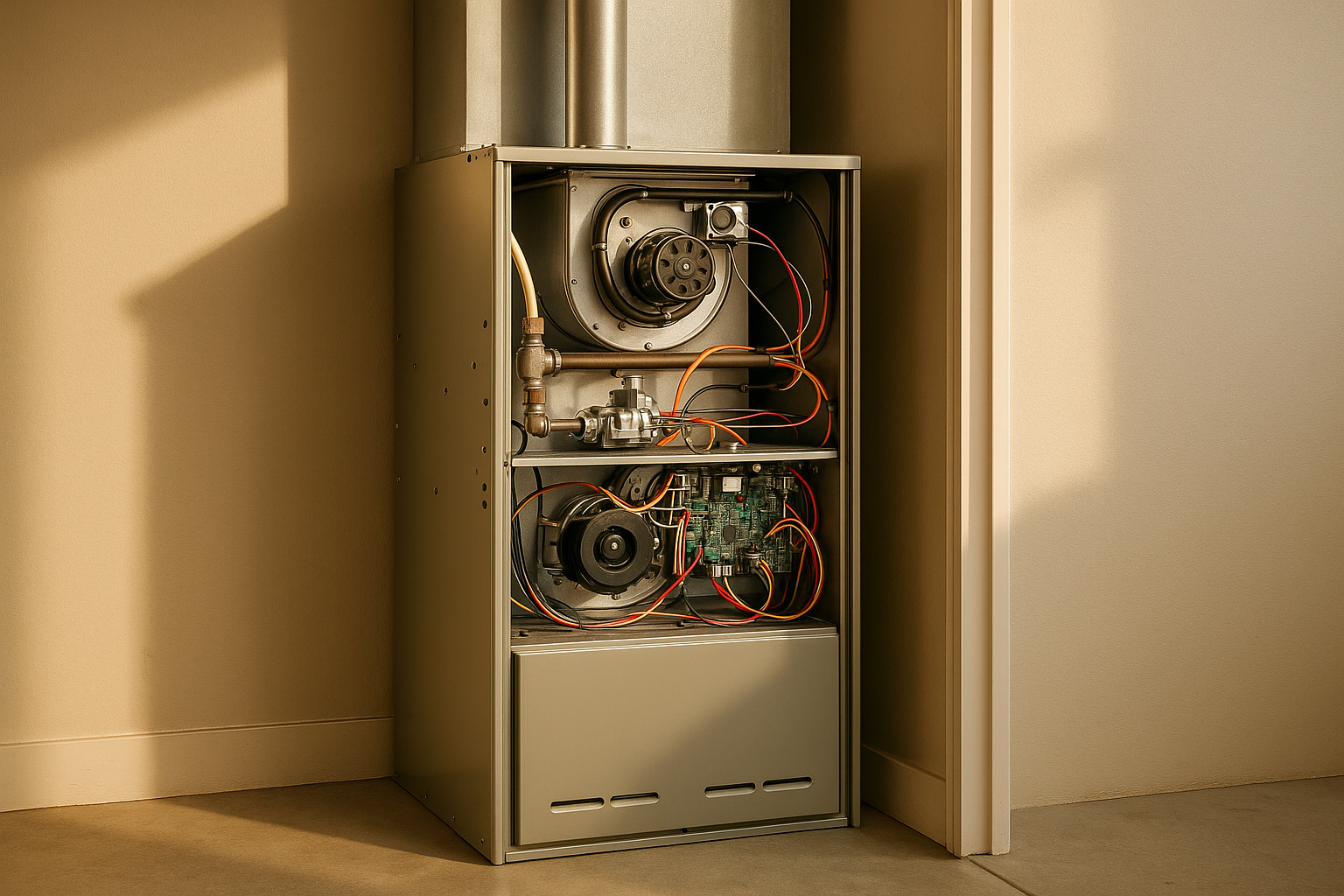
If you see frost or ice on the big insulated line at the outdoor unit, or ice on the indoor coil above your furnace, turn the whole system off. Set the fan to "On" and let it thaw. An AC with a frozen evaporator coil isn't cooling, and running it can actually hurt the compressor. The ice usually means low airflow (from a dirty filter or closed vents) or it's low on refrigerant. You'll want a pro to check that before you turn it back on.
Refrigerant: No, You Can't Just Top It Off
An AC doesn't "use up" refrigerant. If it's low, there's a leak. Signs of low refrigerant include the AC running constantly but blowing warm air, a hissing sound near the indoor unit, or oily residue around joints. In some homes, I've heard a gurgling noise in the lines after the system shuts off. Only an EPA-certified technician can legally measure and add refrigerant. And running a system that's low can ruin the compressor—an expensive fix. So please, don't buy a can of something from the auto parts store and hope for the best.
Electrical Gremlins After a Storm
Johnson County gets some rowdy summer storms. A power surge or a lightning strike nearby can fry a capacitor or jam a contactor. These parts live inside the outdoor unit. A failed AC capacitor means the fan might spin but the compressor won't kick on—or vice versa. A stuck contactor can leave the compressor running even when the thermostat says off. If you hear a humming noise outside but no fan spinning, or a chattering sound, you're probably looking at an electrical hiccup. This isn't a DIY fix unless you're comfortable with a multimeter and high voltage.
Ductwork: The Silent Cool-Air Thief
Around here, we've got a mix of houses—1970s ranches, newer builds in Whiteland and Bargersville—and duct sizing varies wildly. I've been in homes where a bonus room over the garage stays sweltering while the rest of the house cools fine. That's often because the ducts feeding that room are too small, leaky, or running through an unconditioned attic. If your upstairs stays hot even when the AC runs on and on, you might have duct leaks cooling loss. A pro can measure airflow and inspect joints. It's not glamorous, but sealing ducts can make a huge difference. (If you suspect major duct problems, check this out.)
The Humidity Factor
Indiana humidity is no joke. Your AC should pull moisture out of the air. If the system runs constantly but the house still feels clammy, something's off. It might be oversized and cooling the air too fast without dehumidifying, or it could be undercharged. A healthy system typically gives you a temperature drop of about 15–20 degrees from the return to the supply vent. If you've got a thermometer, you can check that yourself. If it's less than that, the system isn't removing heat properly. And in a humid house, 75 degrees can feel like 80.
When to Shut It Down and Call a Pro—Right Now
If any of these happen, turn the system off at the thermostat and the breaker: - You see ice anywhere. - You smell something burning or acrid. - You hear metal grinding or loud clanking. - The outdoor unit is scorching hot and the fan isn't spinning. Running an AC in these conditions can turn a $300 repair into a $5,000 replacement. Don't risk it.
A thorough AC troubleshooting in Greenwood from a good technician will cover: static pressure, temperature split, electrical tests, refrigerant levels (superheat and subcool), coil condition, and duct inspection. You should get a clear explanation of what's wrong and your options—not pushy sales talk.
Keep It from Happening Again
An ounce of prevention, right? Spring tune-ups are a smart move. Have a pro clean the coils, check refrigerant, and test the electrical bits before the first heat wave. Change your filter regularly. Keep the area around the condenser clear—cut back bushes, pick up leaves, and especially after cottonwood season, give it a quick rinse. If you're handy, you can do a basic visual check once a month. Our spring tune-up checklist walks you through the important stuff.
If your thermostat is old, a smart thermostat might help you catch issues earlier. It won't fix a mechanical problem, but it can alert you when the house isn't reaching the setpoint. Here's a guide to picking one in Noblesville homes.
Repair or Replace? A Rough Guide
Older ACs—say, 12–15 years—can nickel-and-dime you with capacitor failures, refrigerant leaks, or rusted coils. If you're calling for repairs more than once a year, or your energy bills are creeping up despite a clean system, it might be time to think about replacement. Proper sizing matters. A bigger unit isn't better, and a new high-efficiency system only performs well if the ducts are right. This article digs into whether a high-SEER AC is worth it in Indiana.
Let's Get Your Home Cool Again
Most no-cool calls we see in Greenwood and the Indy metro have simple roots—a dirty filter, a frozen coil, a blown cap. But every home is different, and guessing can get expensive. If you've tried the quick checks and your AC is still running but not cooling the house, the best next move is a professional diagnostic. At HVACPros, we come out, find the real problem, and lay out your options plainly. No scare tactics, no upsells.
Schedule a diagnostic visit today—and soon you'll be back to worrying about what to binge-watch, not why your house feels like a sauna.
Ready for HVAC service or an upgrade?
NATE-certified techs, flat-rate diagnostics, and a free in-home assessment for any replacement — no pressure.