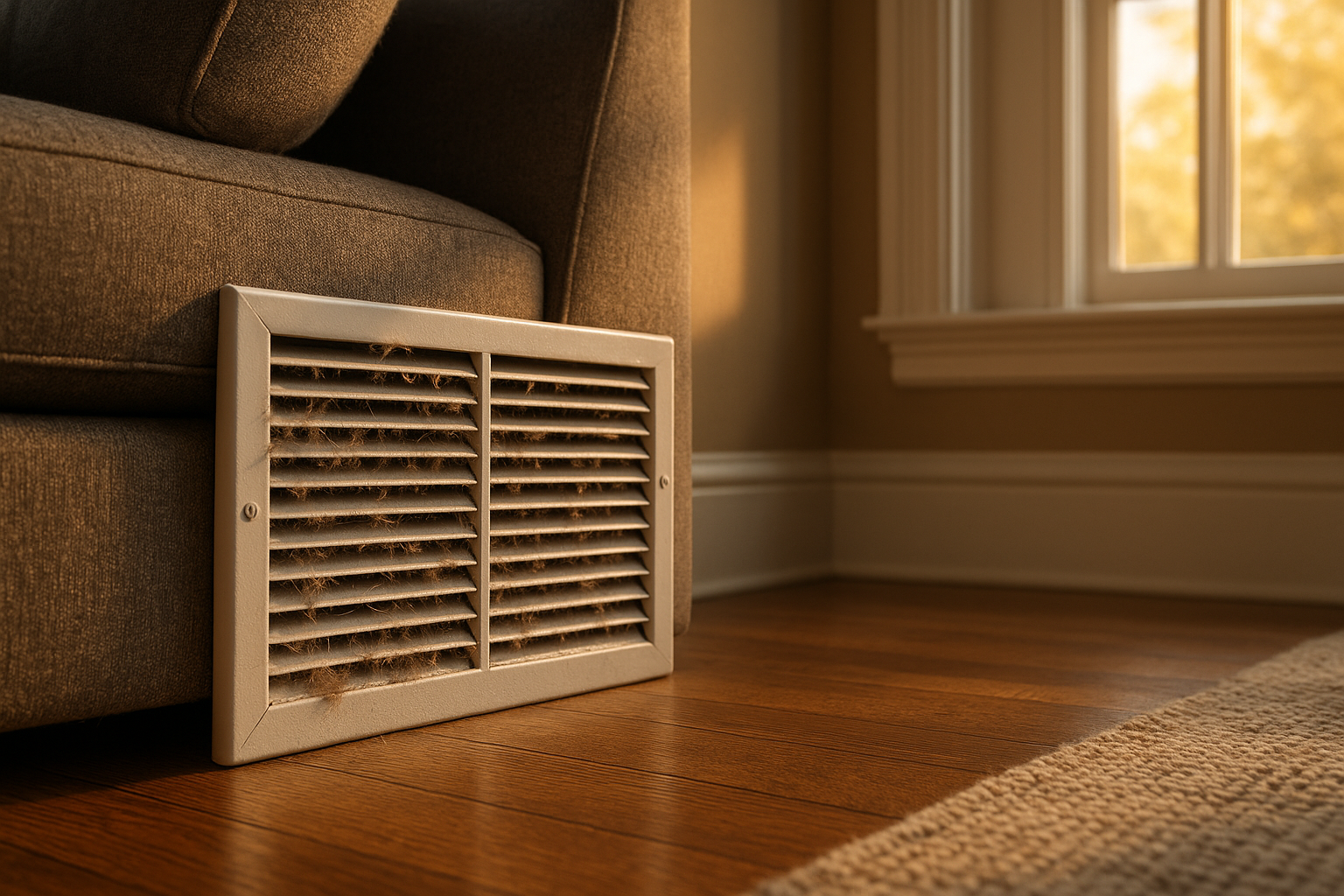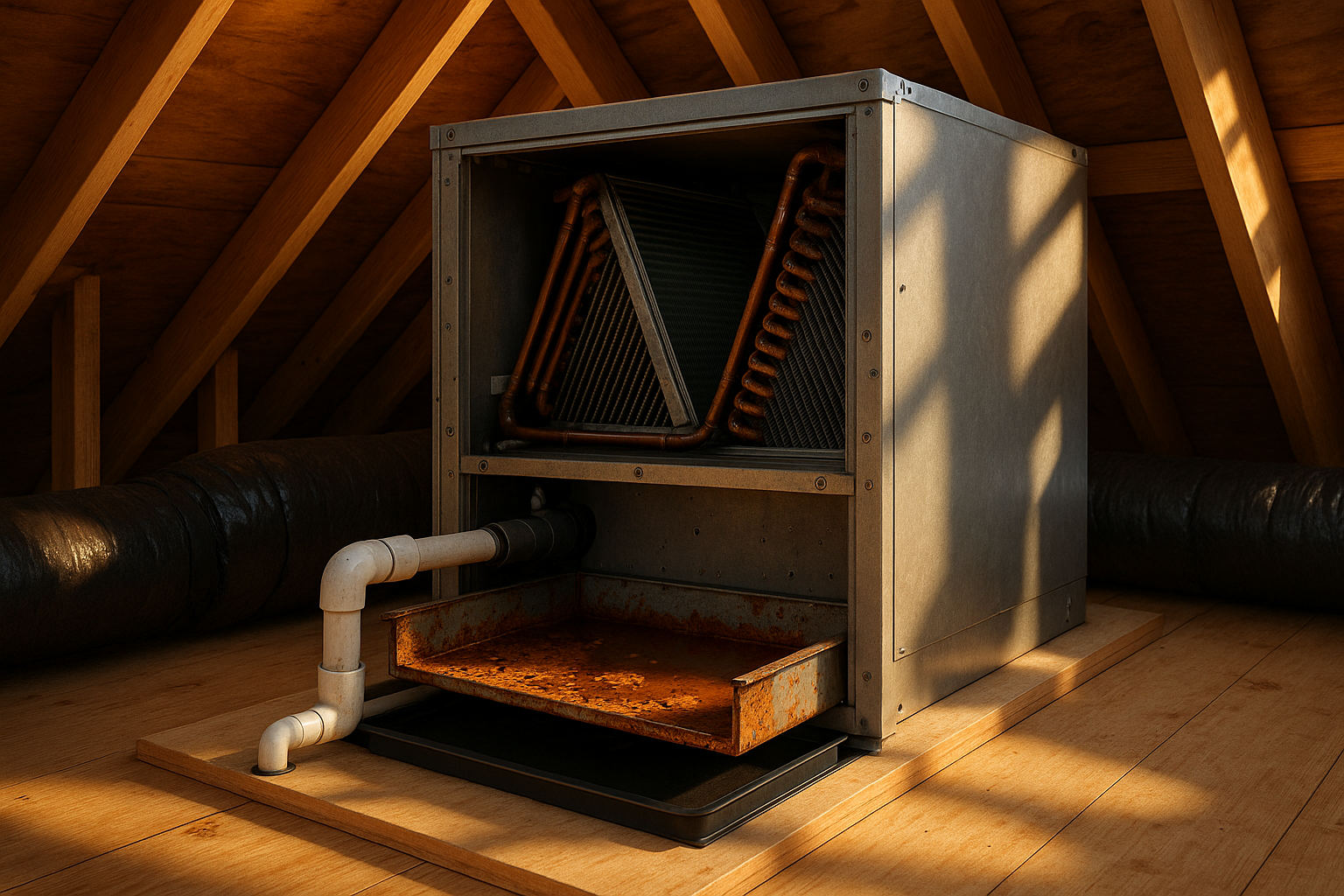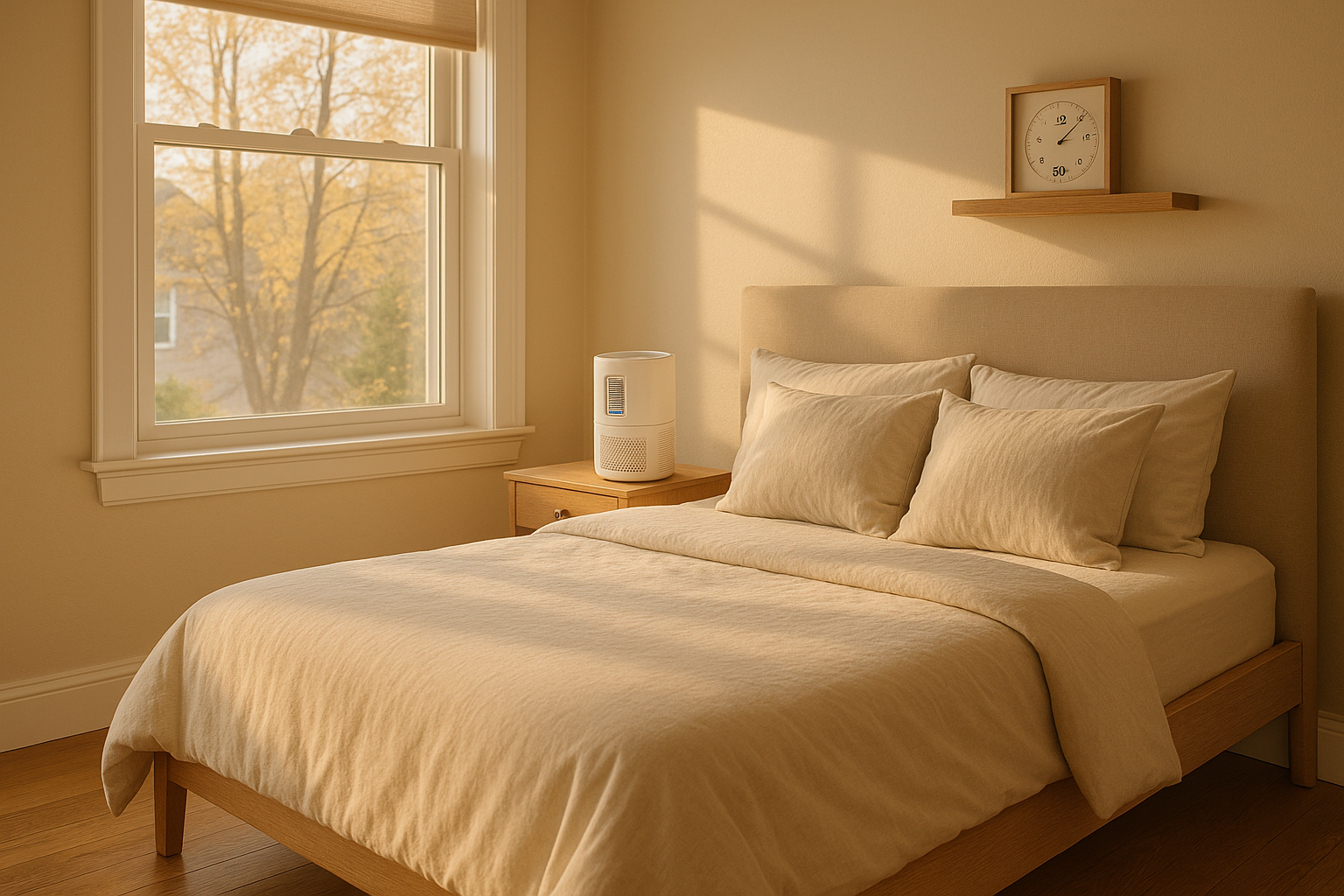
Mike had tried everything. He was waking up with a scratchy throat every morning, his eyes puffy, sneezing like clockwork. Spring in Westfield should be beautiful—the oaks and maples bursting with life. But for Mike, it meant weeks of misery inside his own house. He’d bought a $40 “allergy” purifier from the big box store, and honestly, it was about as effective as waving a paper towel at the pollen. It just made a gentle hum in the corner while he suffered.
Then he called us. Not because he wanted to spend a fortune, but because he was just… tired. Tired of the meds, the tissues, the feeling that his home was attacking him. And that’s where a real conversation about air quality started.
If you’re one of the thousands of Hoosiers who dread allergy season, you’ve probably googled “best air purifier for home allergies Indianapolis” and ended up more confused. Lots of marketing, not much straight talk. So let’s cut through it—no fluff, just what we’ve seen work in real homes around here.
Why Allergy Season Hits Hard in Indianapolis
Around here, pollen is a seasonal bully. Spring brings a cloud of oak and maple tree pollen. Early summer, the grass gets its turn. Then by late summer, ragweed—oh, ragweed—blankets the state. Westfield’s open fields and woods are beautiful, but they’re pollen factories. And it’s not just outside. That stuff hitchhikes in on your clothes and pets, then settles into carpets and ductwork. If your home isn’t actively filtering it out, you’re basically marinating in it.
Plus, Indy’s traffic corridors like US-31 and I-465 kick up fine dust and soot. Those tiny particles sneak through leaky windows and doors. And lately, wildfire smoke from out west sometimes drifts in, making the air hazy and hard to breathe, even for folks without allergies. All that mess swirls around inside if your HVAC system isn’t set up to stop it.
Portable vs Whole-Home: What’s Right for You?
That little box Mike bought? A portable purifier can definitely help—if it’s the right kind. A true HEPA unit, properly sized for the room, can scrub 99.97% of the tiny 0.3-micron particles that trigger you. That’s cat dander, dust mite debris, pollen fragments. In a bedroom or home office, a $200–$700 investment can be a game changer. But it only cleans the room it’s in. Walk to the kitchen, and you’re back in allergy town.
A whole-home solution works differently. You upgrade the filter at your furnace or air handler, and as the blower circulates air, every room gets cleaned. No extra hum, no floor space taken. For families, open floor plans, or folks with severe multi-season allergies, it’s often the better long-term fix. We usually recommend a media cabinet with a MERV 13 or MERV 16 filter, or even a duct-mounted HEPA bypass system for maximum filtration. The key is making sure your ductwork can handle the resistance. Older Indy homes might have leaky ducts that bypass the filter entirely—that’s why we always check static pressure and seal everything up first.
The Best Air Purifier Tech for Allergies (and What to Avoid)
When we say “best air purifier for home allergies Indianapolis,” we’re not talking about some magic gadget with blinking lights. We mean a system that actually captures the junk making you sick. For allergies, MERV 13 is the baseline. That’s the minimum to grab pollen and pet dander effectively. MERV 16 or true HEPA takes it further, catching even finer stuff that lingers in smoke or exhaust. If you have asthma or a nursery, HEPA’s worth the extra investment.
Then there’s UV lights. A proper, ozone-free UV-C kit shining on your HVAC coil can keep mold and gunk from growing there. That’s helpful for some folks. But avoid anything that says “ionizer” or “plasma” that produces ozone. Ozone is a lung irritant, not a cleaner. We only use third-party tested, CARB-compliant gear that’s proven safe.
And humidity? It’s the silent partner of good air quality. Dust mites and mold love moisture. Keeping your home between 40–50% relative humidity starves them out. A whole-house humidifier in winter and a dehumidifier in sticky summers can make a big difference. Our guide on whole-house humidifiers digs into that.
What It Costs and How Maintenance Works
Let’s talk money. Portables run $200–$700 per room. Whole-home media cabinets start around $600–$1,200 installed. Ducted HEPA systems are more like $1,800–$3,500. UV coil treatments add $450–$900. It’s not pocket change, but consider it like a medical device for your house—one that runs for years. We’ve seen folks finance these upgrades so the monthly hit is manageable. (Check our financing options if that helps.)
Maintenance is simple: swap the media filter every 3–6 months, depending on how dusty your area is. New construction dust in Westfield subdivisions can clog them faster at first. HEPA canisters last 12–18 months. Set a calendar reminder, or better, get on an annual HVAC tune-up schedule—we’ll check everything while we’re there. Our tune-up service catches wear and tear before it kills your filter performance.
Getting Started: An IAQ Assessment from HVACPros
We don’t guess. When you call us, we walk through your home, ask what symptoms you’re dealing with, and measure your actual airflow and duct leakage. We’ll talk about whether a portable unit in the bedroom plus a furnace upgrade makes sense, or if you need a full whole-home system. We show you a clear quote, no surprises.
Mike ended up with a media cabinet at the furnace and a quiet portable HEPA in his bedroom during peak ragweed season. The change was almost immediate. “I slept through the night for the first time in years,” he told us. No more morning fog.
If you’re tired of guessing and just want clean air, we’re here. Click over to our request a quote page and we’ll schedule a visit. No push, no gimmicks—just real help for Hoosier allergy sufferers.
Ready for HVAC service or an upgrade?
NATE-certified techs, flat-rate diagnostics, and a free in-home assessment for any replacement — no pressure.