My neighbor Lisa skipped her AC tune-up for two years. Last July, she learned the hard way: a $25 capacitor swelled, fried, and took the contactor with it. The house hit 85 before a tech could come. A simple spring check would've caught it. So, HVAC annual tune up what to expect? It's less an oil change, more a physical for your system. And around Indianapolis, where summers get sticky and winters bite, a physical matters.
When to Schedule: Spring and Fall, Plain and Simple
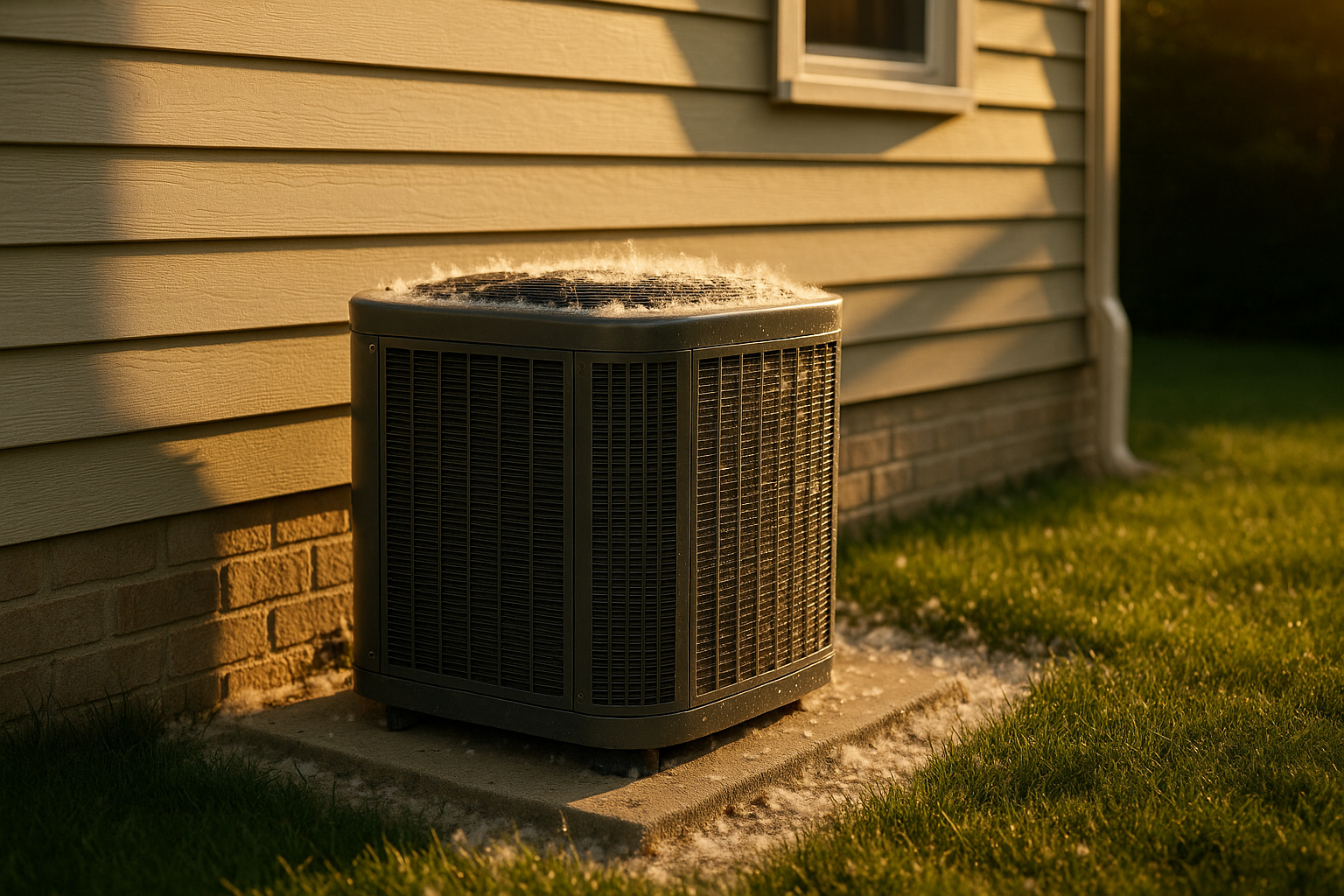
For your air conditioner, book a tune-up between March and early May, before the humidity parks over central Indiana. Furnace? September through November. Heat pumps run year-round, so they need a visit in both seasons. Around here, cottonwood fluff and pollen in spring coat outdoor coils until they're barely breathing. In fall, leaves from mature trees in places like Zionsville or Meridian-Kessler can bury a condenser. A pre-season check clears that junk and heads off breakdowns.
The Cooling Side: What the Tech Does to Your AC
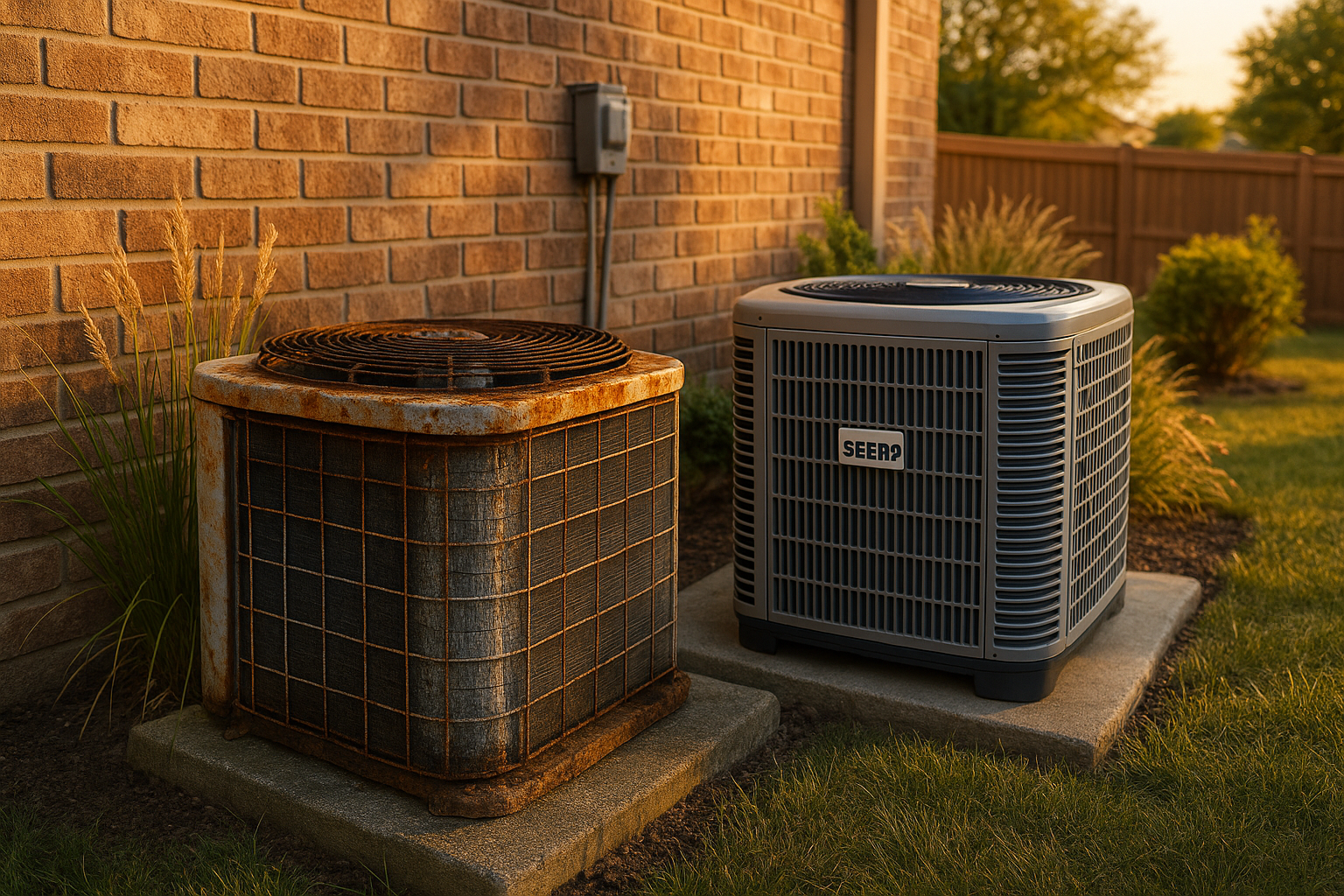
The tech starts outside, around the condenser. They'll pull off the top, clear away debris, and give the coil fins a gentle rinse - enough to knock off the grime, not a heavy chemical clean. Then they'll open the electrical panel and test the capacitor (the same part that failed Lisa). A swollen or leaking cap gets flagged. Contactors, wiring, and the disconnect box all get a once-over with a meter. They'll measure amp draw on the fan motor and compressor, because high draw often means a motor is working too hard.
Indoors, at the air handler or furnace, they'll check the blower wheel for caked-on dust. The filter gets a look, and if you're not sure what MERV to buy, they'll explain why 8-11 usually balances clean air and good airflow. They might tweak the thermostat if it's reading off. The condensate drain line - that PVC pipe your AC drips into - gets flushed. In Indy's soupy summer, algae grows fast in there; a clogged drain means water all over your mechanical room floor.
Refrigerant charge? They'll check it with gauges, but only if the outdoor temp is warm enough. Below about 60F, the numbers lie. So if it's a chilly spring day, the tech documents everything and schedules a free return visit when it's warmer. No charge.
The Heating Side: Furnace Safety You Can't Skip
If you've got a natural gas furnace (like the majority of Indy homes), the heating tune-up is heavy on safety. The centerpiece is a combustion analysis. The tech sticks a probe into the flue and measures oxygen, CO, and stack temperature to see how efficient your burn is. At the same time, they'll walk room to room with a hand-held CO detector, testing the air coming out of your vents. I still remember a homeowner in Broad Ripple telling me their tune-up uncovered a hairline crack in the heat exchanger - faint CO readings at the register that could've been deadly if ignored. That test is worth every penny.
They'll check gas pressure at the valve, clean the flame sensor so the ignition doesn't stutter, and inspect the igniter. If you've got an older home with a cramped basement and long duct runs, they'll take static pressure readings. Too high, and you're strangling the blower. That's also when they might spot leaky ductwork and suggest a professional duct evaluation. The flue pipe and safety limits all get cycled to make sure they shut off when they're supposed to.
Heat Pumps: The Two-Season Special
A growing number of homes in Fishers, Westfield, and even up near Noblesville use heat pumps or dual-fuel systems. A heat pump tune-up adds a few steps. The tech triggers a defrost cycle to watch the outdoor coil thaw. They test the reversing valve, verify the crankcase heater (keeps the compressor warm in winter), and switch on the auxiliary heat strips to be sure they kick in. Thermostat programming gets checked too - if you've got dual-fuel, the changeover temperature matters. Get it wrong, and you're burning gas when the heat pump could handle it.
The Report You Keep (and Why It's Not Just Junk Mail)
After 60-90 minutes per system, the tech hands you a report. Not a vague "worked fine" line, but actual numbers: amp draws, temperature splits, static pressure, CO parts-per-million. Items are green (all good), yellow (keep an eye on it), or red (fix it soon). They'll walk you through it in plain English. This document is your friend if you ever need a warranty claim - manufacturers want proof of annual maintenance. And if something's red, you get a no-pressure price. No upsells, just facts.
What's Not Part of the Deal
A tune-up is preventive, not a repair service. So you won't get a refrigerant top-off if the system is low - that indicates a leak, which is a separate fix. Deep coil cleaning, blower wheel pulls, component replacements, or after-hours labor all cost extra. But you'll know exactly what's needed before any work starts. Transparency is kind of our thing.
Benefits of a Maintenance Plan (Especially If You're Busy)
If you'd rather not remember to call twice a year, a maintenance plan makes sense. You get two precision tune-ups on autopilot, priority scheduling if your system quits, and discounts on repairs. For folks in Greenwood, Brownsburg, or Avon who just want it handled, it's a no-brainer. Plus, that running history helps when you're staring down a replacement decision. And if you ever do need to weigh repair vs. replace, we've got a plain-language guide for that, too.
Before the Tech Arrives
Clear about two to three feet around your outdoor unit - move the grill, the kids' toys, the wheelbarrow. Indoors, make sure the furnace or air handler is easy to get to. Secure pets (they're curious, we get it). And jot down any odd noises, smells, or rooms that never feel right. The tech can zero in on those clues.
Ready to Book?
A tune-up is cheap insurance against the kind of sweaty midsummer breakdown that got Lisa. If you're in Indianapolis, Carmel, Plainfield, or anywhere around the metro, getting on the schedule is easy. Head to our quote form, tell us what you need, and we'll lock in a time. We'll show up when we say, treat your home with respect, and leave you with a clear path forward.
Ready for HVAC service or an upgrade?
NATE-certified techs, flat-rate diagnostics, and a free in-home assessment for any replacement — no pressure.