Last July, a friend in Fishers called me from his basement. "It's 72 degrees, but it feels like a swamp," he said. His AC had been running all day, the windows were sweating, and there was a musty smell behind the drywall. He'd already spent $200 on a portable dehumidifier from a big box store. It pulled maybe a gallon a day, but it couldn't keep up. What he needed wasn't a colder AC or another gadget. It was a whole house dehumidifier.
What a Whole House Dehumidifier Actually Does
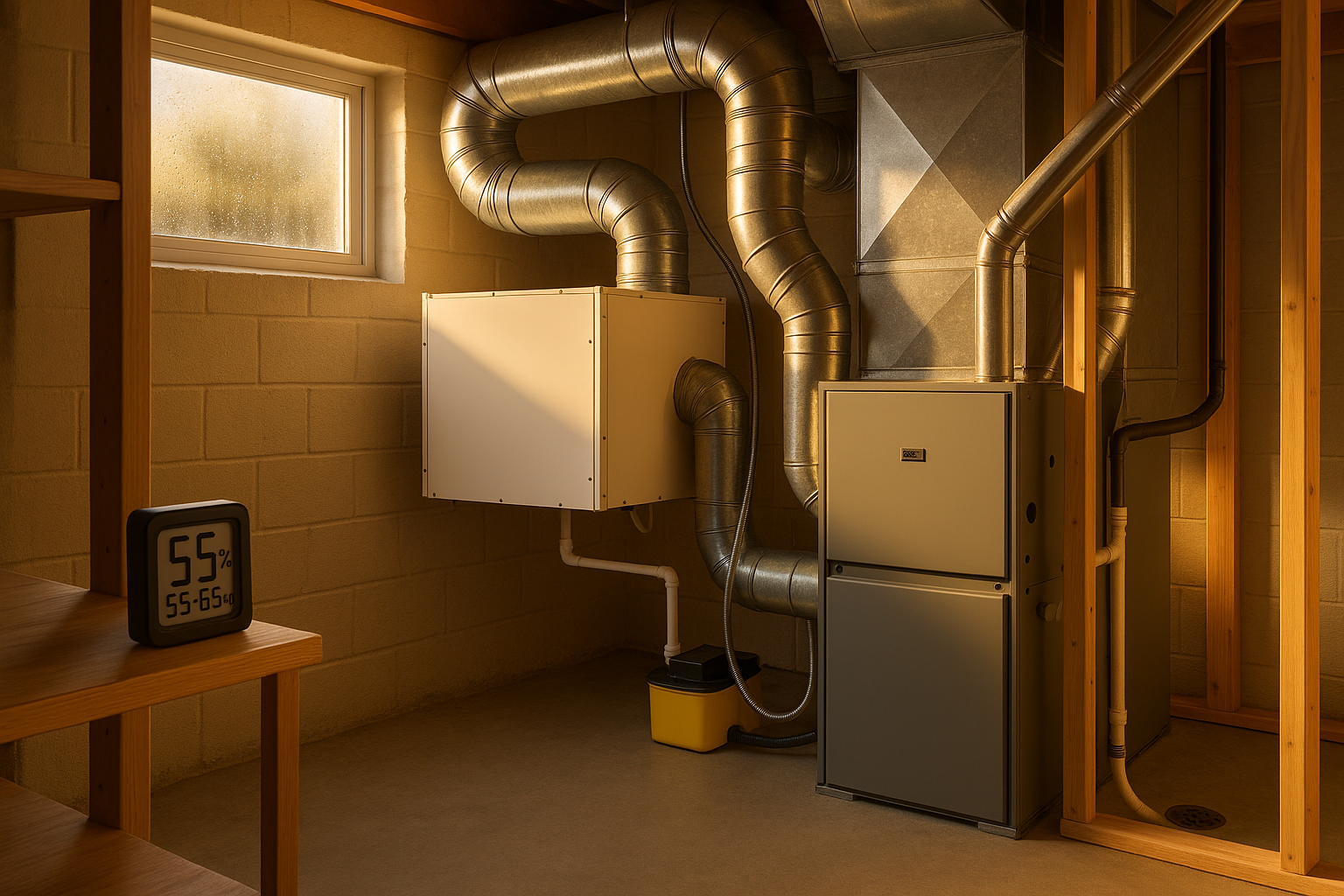
A whole house dehumidifier is exactly what it sounds like: a unit that pulls moisture out of the air for your entire home, not just one room. Instead of rolling a portable unit from room to room and emptying buckets, this thing ties into your existing ductwork. It draws air from the return side, removes the water, and sends drier air back into the supply. The water goes down a drain line—usually to a floor drain or a condensate pump. No buckets, no daily emptying.
That's the biggest difference between a portable and a whole-house unit. Portables are like using a sponge to mop up a flooded basement. They can handle a small closet or a bathroom, but they don't have the airflow to treat a 2,500-square-foot home. A whole-home dehumidifier moves hundreds of cubic feet of air per minute, so it can actually move the needle on indoor humidity control.
Why Your AC Alone Can't Beat Indiana Humidity
Here's the thing about Indiana summers: it's not just hot, it's humid. Indianapolis regularly sees dew points in the mid to upper 60s from June through August. That's the number that matters, not the temperature. Dew point tells you how much moisture is in the air. When the dew point is 68°F, the air feels sticky no matter how low you set the thermostat. Your AC cools the air, but it only removes moisture as a side effect. If the temperature outside isn't high enough to force long cooling cycles—like those mild but muggy days in May or September—your AC might run for 10 minutes, cool the house to 72, and then shut off. That short run time doesn't pull enough water out of the air. The result? A house that feels clammy at 72 degrees and an AC that's working harder than it should.
This is the humidity load on AC problem. A whole house dehumidifier takes that moisture-removal job off your AC's plate. Your AC can focus on temperature, and the dehumidifier handles the latent load. Many homeowners see their AC run for shorter cycles because the indoor air already feels comfortable at a higher temperature. That can actually lower your summer electric bill. If your thermostat seems like it's never satisfied, that's often a sign of this exact issue—check out our post on thermostat not reaching set temperature for more on that.
Signs your home is begging for one: musty smells in the basement, condensation on windows or ductwork, hardwood floors that cup or gap, doors that stick in summer, and a general "wet blanket" feeling in certain rooms. If you see any of that, it's worth checking your indoor relative humidity. The ideal indoor humidity level for comfort and mold prevention is 45–50%. Any higher and you're inviting dust mites, mold, and that sticky feeling. Any lower and your skin and woodwork dry out.
How It Installs and What It Costs
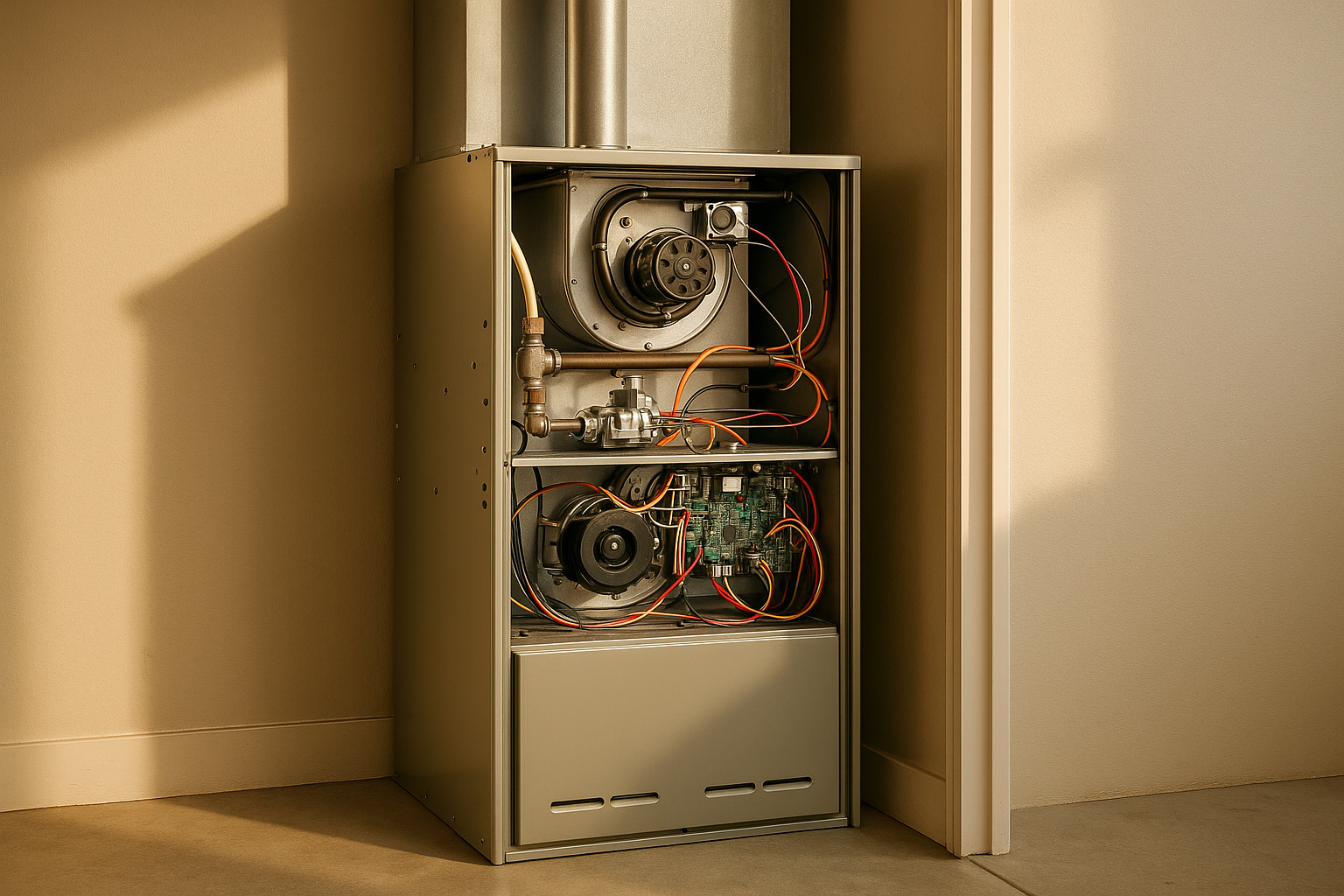
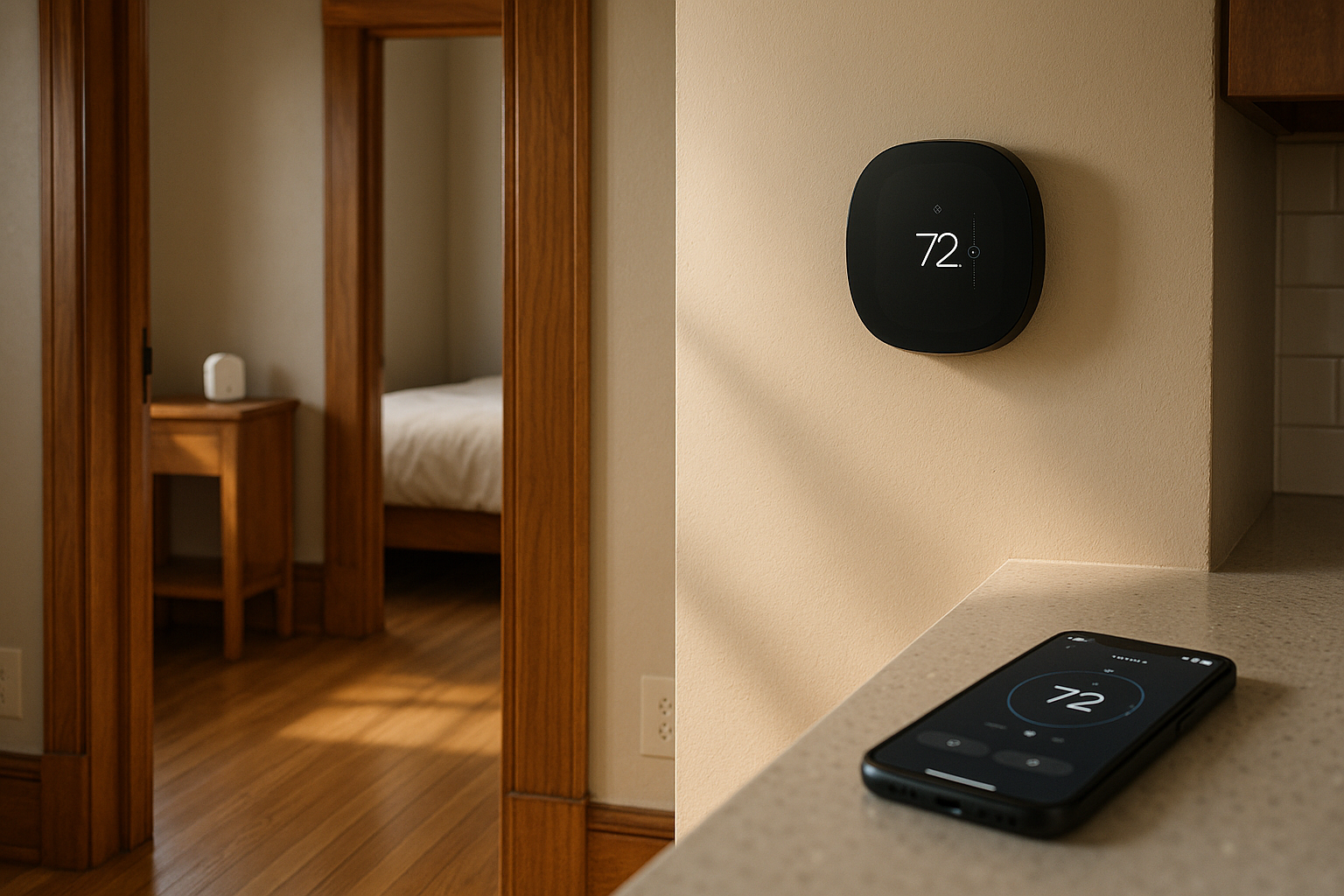
Installation is simpler than most folks think. A contractor mounts the dehumidifier near your air handler—usually in a basement, utility room, or crawl space. They'll add a return duct going into the unit and a supply duct going out, tying into your existing system. A dedicated humidistat or a smart thermostat can control it. Many systems can work with a humidity thermostat control that cycles the dehumidifier independently of the AC. That's important in spring and fall when you need dehumidification but not cooling.
Sizing matters. You can't just grab the biggest unit off the shelf. A good installer will think about your home's square footage, how leaky it is, whether you have a basement or crawl space, and how many people live there. It's a Manual J-style calculation, just like sizing an AC. We wrote about that process in our guide to HVAC sizing and Manual J load calculations. Get that wrong and you'll either overpay for a unit that short cycles or undersize it and still feel sticky.
Where does the water go? Most installations use a condensate drain pump that pushes the water up to a laundry sink, floor drain, or outside. If you have a gravity route, even better. The installer should use proper traps and backflow prevention so you don't get sewer smells or backups. Noise is minimal—these units are about as loud as a refrigerator running in a mechanical room. Put it away from bedrooms and you'll forget it's there.
Maintenance is a few times a year: clean or replace the air filter, check the coils, and pour a little water down the drain line to make sure it's clear. It's no harder than changing an HVAC filter, which you can learn about here. Electricity use is modest—around 300 to 600 watts when running, depending on size. That's less than a window AC unit.
The Basement and Crawl Space Connection
If you've got a basement or crawl space in the Indianapolis area, you know the drill. After a heavy rain, the humidity down there climbs. White River valley homes and low-lying lots in Avon or Plainfield can get damp spots even without visible water. That moisture doesn't stay put—it rises through the house. A whole house dehumidifier can act as the backbone for basement humidity solutions. Pair it with a sealed crawl space or encapsulated floor and you've got a serious crawl space moisture control system. This matters for mold prevention humidity levels because mold starts thriving above 60% RH. Keeping your basement at 50% is one of the best things you can do for your home's structure and your family's lungs.
Attic insulation and air sealing also play a role. Leaky attics pull humid outdoor air into the house through the stack effect. If you haven't checked your attic insulation, that's another piece of the puzzle—here's a post on attic insulation and HVAC efficiency.
Do You Need Fresh Air Too?
Some newer, tightly built homes need ventilation as much as dehumidification. An ERV or HRV brings in fresh air while exhausting stale air, which helps with indoor air quality. But for most Central Indiana homes built before 2000, the issue is too much uncontrolled infiltration, not too little fresh air. That's where ventilation vs dehumidification becomes a real question. In a leaky older home, a dehumidifier alone often solves the comfort problem. In a tightly sealed new build, you might want both. A good contractor will measure your home's actual humidity and air changes before recommending anything.
Get a Real Humidity Assessment
Don't guess. Grab a cheap hygrometer from the hardware store and check your basement and main floor. If you're seeing 55% or higher in July, that's your answer. Then call a local HVAC company that actually specializes in dehumidifier installation Indianapolis. At HVACPros, we start with an in-home humidity assessment. We'll take baseline readings, look at your ductwork, check your crawl space or basement, and give you a straight answer on sizing and cost. No high-pressure sales, just a plan that fits your house and budget. Ready to stop feeling sticky? Request a quote here and schedule your assessment.
Ready for HVAC service or an upgrade?
NATE-certified techs, flat-rate diagnostics, and a free in-home assessment for any replacement — no pressure.