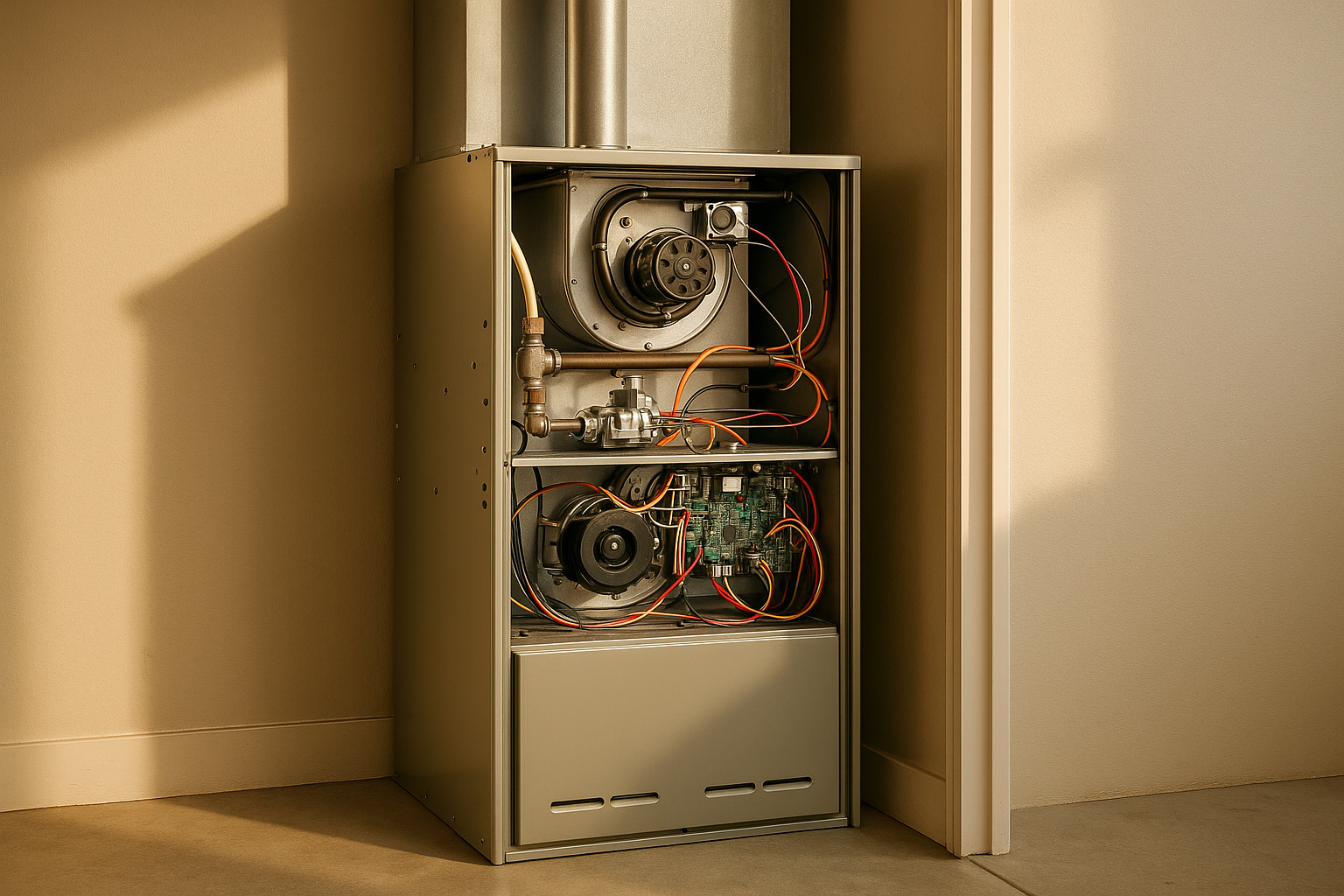
Last winter, my buddy Steve in Fishers called me in a mild panic. His furnace had been running nonstop and his utility bill jumped by $40. He pulled the filter and it looked like a gray shag carpet. He hadn't changed it since the previous spring. One $12 filter later, the furnace shut off after a normal cycle. The weird thing? Steve thought he was doing it right because someone told him 'change it every three months.' But nobody told him Indiana winters don't play by that rule. If you've been Googling 'how often change furnace filter,' you're not alone.
So, what's the real answer? It depends on your filter, your home, and what's floating around in your air. But here's a baseline that works for most Central Indiana homes. That's your furnace filter replacement schedule, give or take.
- 1-inch fiberglass filters (the cheap blue kind): every 30 days.
- 1-inch pleated filters (MERV 8–11): every 60–90 days.
- 2-inch pleated filters: every 2–3 months.
- 4-inch media filters (MERV 11–13): every 3–6 months.
- 5-inch media filters: every 6–12 months.
But don't just mark your calendar and forget it. You have to look at the filter. Even a 4-inch filter can load up in weeks if you have three dogs and a dusty construction site next door.
Why Indiana winters make filters clog faster
Indianapolis has a long heating season — often from October through April. That means your furnace runs a lot. More run time means more air passes through the filter, so it catches more dust. In spring and late summer, ragweed, oak, and maple pollen spikes add another layer. If you live near a new build in Westfield or Avon, construction dust finds its way inside. Even older neighborhoods like Meridian-Kessler or Broad Ripple have older ductwork that can hold decades of crud. So if you follow a generic 'every three months' rule, you're probably changing it too late. Winter furnace filter changes need to happen more often, not less.
How to check a filter (and signs it's already too late)
You don't need any tools. Just slide the filter out and hold it up to a light. If you can't see light through it, it's done. Here are other signs you need to change your furnace filter right now:
- The surface looks gray or matted.
- You see dust trails on your vents or furniture.
- Airflow from a register feels weak.
- Some rooms are hotter or colder than others.
- Your furnace runs longer than it used to.
- Your utility bill went up and you didn't change anything else.
- The furnace shuts off, then starts again a few minutes later (short-cycling).
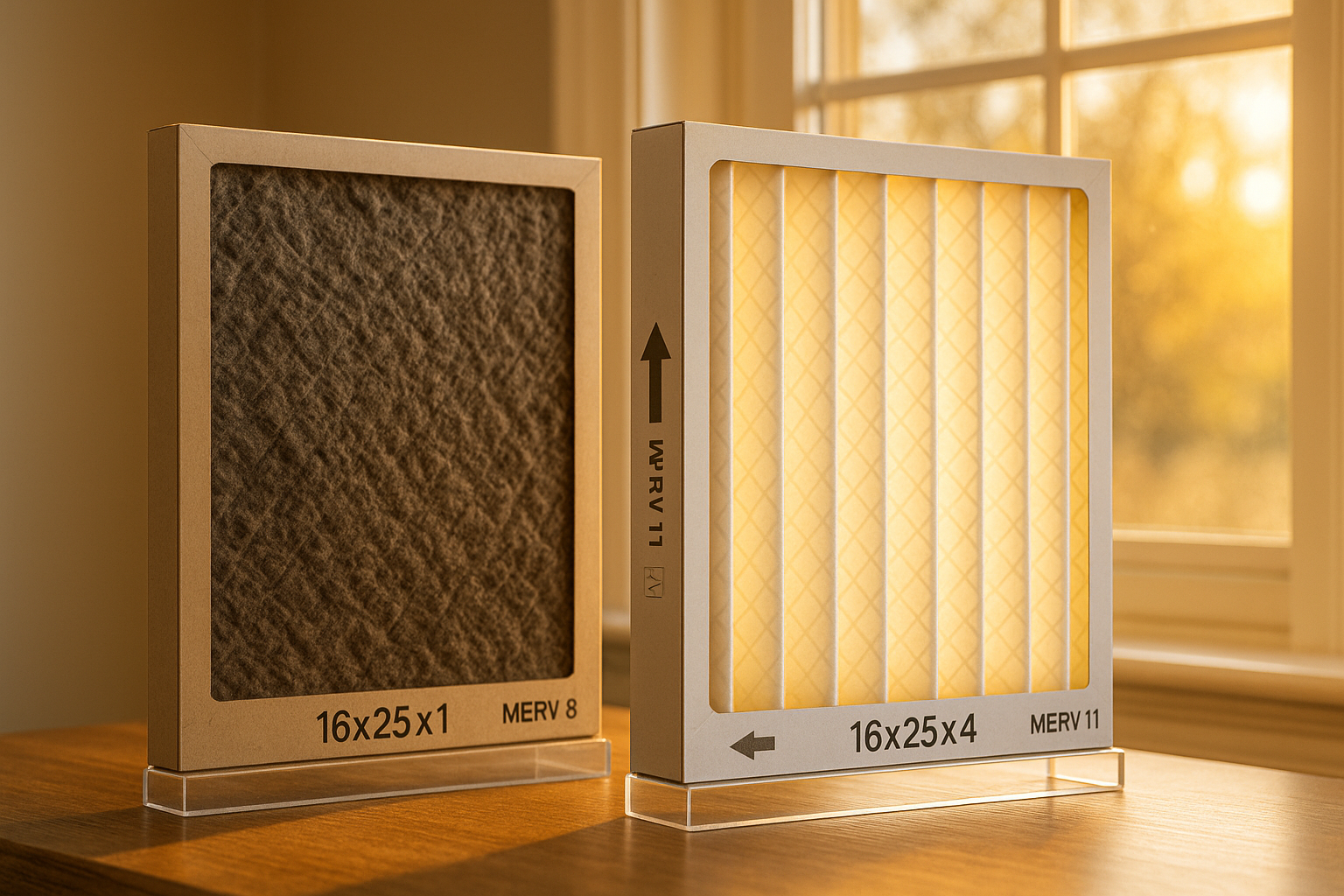
When you put a new filter in, look for the arrow on the frame. That arrow points toward the furnace or air handler, which is the direction air flows. That's the furnace filter arrow direction. And check the size printed on the old filter's frame. Don't guess — a 16x25x1 and a 16x25x4 are not the same thing. How to choose the right furnace filter size? Look at the old filter's frame — it lists the exact dimensions. Or measure the filter slot in the furnace cabinet or return grille.
1-inch vs 4-inch: which filter lasts longer and why
A lot of people think a 4-inch filter lasts four times longer than a 1-inch filter. Not exactly, but close. The real difference is surface area. A 4-inch pleated filter has maybe three to five times the media area of a 1-inch filter. That means it can hold more dust before airflow gets restricted. So a MERV 11 4-inch filter can often go 6 months while the same MERV 11 in a 1-inch thickness might only last 60 days. That's the 1 inch vs 4 inch furnace filter change frequency difference. But that only works if your furnace cabinet is set up for a 4-inch filter. Some older systems only take a 1-inch filter, and that's okay — just change it more often. MERV rating and change frequency go hand in hand. If you want to know how MERV rating changes how often you should change the filter, check our guide to MERV ratings.
Pets, allergies, and other stuff that shortens filter life
If you have a dog that sheds, you already know. Pet dander and fur clog a filter fast. How long do furnace filters last with pets? Not as long as the box says. A 1-inch pleated filter that would last 90 days in a pet-free home might need changing every 45–60 days with two cats and a golden retriever. Smokers, a wood-burning fireplace, or a lot of open-window time in pollen season all add fine particles. And if you have a finished basement in Carmel or Noblesville, that extra return air pulls dust from the lower level through the filter, too. For allergy or asthma households in Indianapolis, a MERV 11–13 filter is often the best furnace filter for allergies. But only if your ductwork is sealed and your system can handle the pressure drop. If rooms feel stuffy after you switch to a higher MERV, you might have HVAC airflow and filter restrictions. More on balancing uneven airflow here.
The real cost of a dirty filter (hint: it's not just the filter)
A clogged filter doesn't just make your air dirty. It makes your furnace work harder. The blower has to push against a wall of dust, so less air reaches your rooms. That can make some rooms cold. Your furnace runs longer to satisfy the thermostat, which uses more gas or electricity. Can a dirty filter raise energy bills? Absolutely. Some homes see a 5–15% jump in heating costs when the filter is choked. And if you never change it, dust gets past the filter and coats the blower wheel and the coil. That's a repair bill you don't want.
Washable filters? Maybe not for most Indiana homes
Washable vs disposable furnace filters? Stick with disposable pleated filters for most homes. Washable filters sound nice — you rinse them, let them dry, and put them back. But most washable filters don't catch fine particles as well as a quality disposable pleated filter. They also need to be bone-dry before you reinstall them, or you risk mold growth. If you have allergies or pets, a washable filter is usually a downgrade. Buy a multi-pack of disposable filters and store them in a dry spot.
Set a reminder and forget the guilt
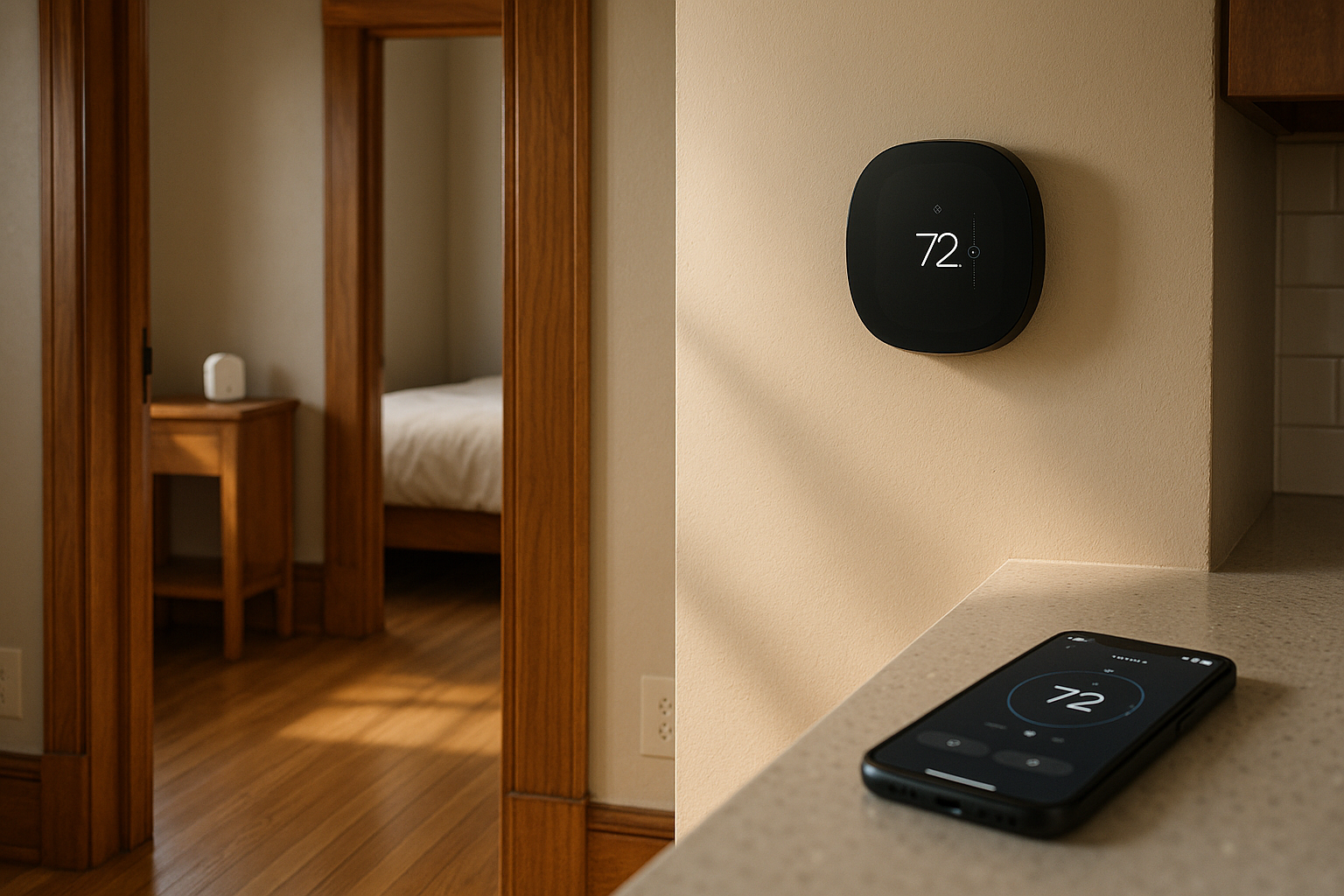
We all forget. That's why I tell people to use their smart thermostat's filter reminder if it has one. You can also set a phone reminder every 60 or 90 days, depending on your filter type. Write the date you installed the filter right on the frame with a permanent marker. If you have a 1-inch filter, maybe you change it on the first of every month in winter. For 4-inch filters, twice a year usually works.
When to call HVACPros
You can change a filter yourself, no problem. But if you're not sure what MERV rating your system can handle, or if your filter always looks black after two weeks, something else is going on. Duct leaks, construction dust, or a wrong-sized filter can all cause it. That's where a seasonal tune-up helps. And if you're the DIY type, here's a quick read on DIY vs professional HVAC maintenance. HVACPros serves Indianapolis and the surrounding areas — Carmel, Fishers, Zionsville, Westfield, Noblesville, Greenwood, Brownsburg, Avon, Plainfield, and more. We check airflow, static pressure, and filter fitment during a maintenance visit. Schedule a tune-up with an IAQ check here. We'll help you figure out the right filter type and size, and set up a reminder or delivery plan so you never have to wonder again.
Ready for HVAC service or an upgrade?
NATE-certified techs, flat-rate diagnostics, and a free in-home assessment for any replacement — no pressure.