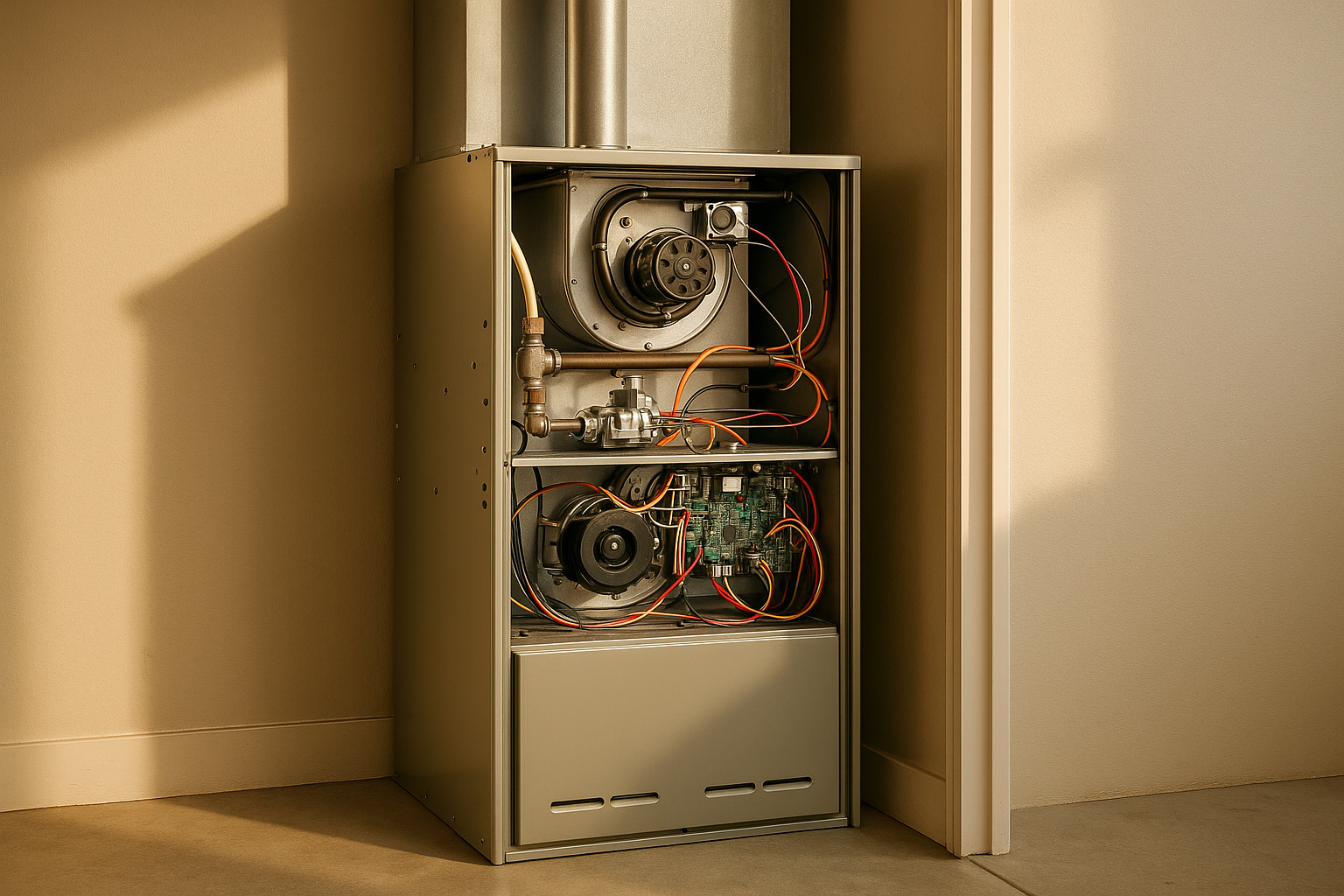
Last July, my buddy Mark in Broad Ripple called me, frustrated. His house smelled like a wet gym sock every time the AC kicked on. He'd changed the filter, cleaned the vents, but nothing helped. When we pulled the panel off his air handler, the evaporator coil was covered in a fuzzy layer of gray-black mold. That's when he first asked me, "Is there something I can put in there that actually kills that stuff?" That's how a lot of Indianapolis homeowners stumble onto the idea of an HVAC UV light.
But does it actually work? Let's break it down.
So, What Exactly Is an HVAC UV Light?
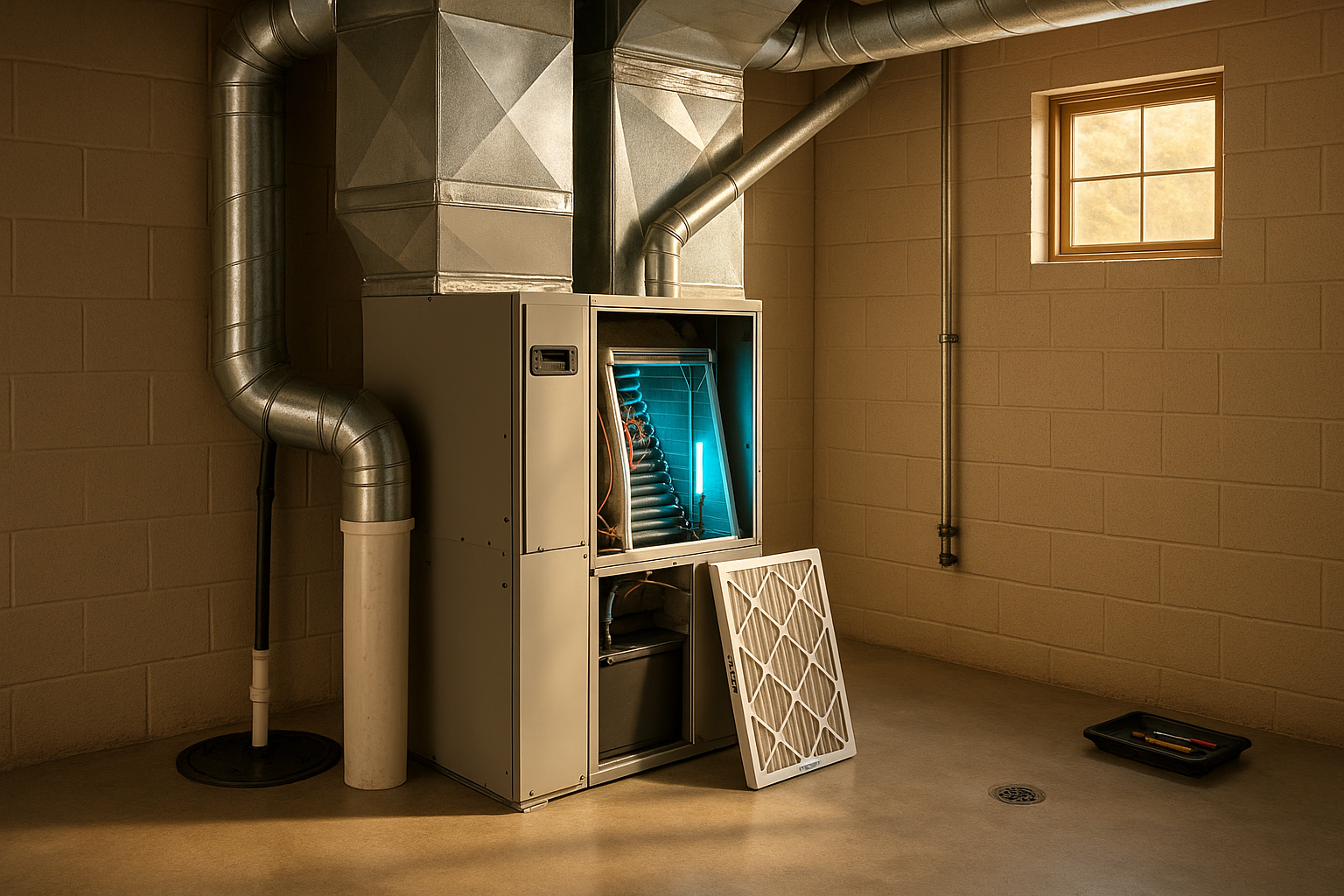
An HVAC UV light is pretty simple. It's a UV-C lamp that a pro installs inside your furnace or air handler. The light shines right on the evaporator coil—the part that gets cold and wet when your AC runs—to stop mold, bacteria, and biofilm from growing. There are two common setups: one that focuses just on the coil (coil-sanitizing UV) and a higher-output version that sits in the duct (in-duct UV air purifier) to treat the air as it passes by. It's not a filter; it won't catch dust or pet hair. Think of it more like a disinfectant for the one place in your system that stays damp all summer.
Why Indianapolis Homes Get More Than Their Share of Coil Gunk
If you live in Indy, you know our summers are humid. From June through September, your AC is working overtime, and that means the evaporator coil is constantly wet. That moisture is a perfect breeding ground for biofilm—that slimy, smelly layer of microorganisms. In homes with basements—common all over the city, from Fountain Square to Carmel—the air handler often sits near a sump pump or floor drain, so dampness gets even worse. I've seen coils in Zionsville so gunked up, the system was working 30% harder just to push air through. Even newer homes in Fishers or Westfield can have trouble if a return duct pulls in humid crawlspace air. An HVAC UV light keeps that coil surface clean between annual tune-ups. Less gunk means better airflow and fewer surprises when you open the panel.
The Real-World Benefits (and Limits) of UV in Your System
A cleaner coil does a few things. First, it helps your system run closer to its design efficiency—you might even notice a couple bucks off your energy bill. Second, it kills the organisms that cause that musty smell when your AC starts. But here's the thing: a UV light does not replace your air filter. It won't do a thing for dust, pet dander, or pollen. And if you live in Greenwood or Avon during tree pollen season, you know how miserable that can be. You still need a good MERV filter (more on that below) to handle particles. For allergy relief, you'll want both—filtration for the air you breathe, and UV for the coil and hidden surfaces in your unit.
What About Safety, Ozone, and Your Family?
Some folks worry about ozone or the UV light damaging their system. Modern ozone-free UV lamps are standard if you use a reputable contractor. They'll install shielded lamps that won't degrade plastic drain pans or wiring. They also add a safety switch so the light cuts off the second you open the access door—no risk of eye or skin exposure. I've never seen a pro install cause problems. But I have heard of a DIY attempt in Plainfield where a homeowner used a fish-tank UV stick, which can produce ozone and doesn't have the right output. Don't go that route. This is one of those times where "professional installation" really matters.
Costs, Bulb Changes, and What Maintenance Actually Looks Like
So what's the damage to your wallet? For a quality coil UV system installed around the Indianapolis metro, you're probably looking at $500 to $1,200. That range depends on how many lamps you need, access difficulty, and whether you go coil-only or add an in-duct unit. Then you've got replacement bulbs—most last 12 to 24 months and run about $80 to $200. Not nothing, but compare that to paying for a deep coil cleaning every year because mold keeps coming back. During your annual HVAC tune-up, the tech should check the bulb's output and clean any dust off the lamp. I always tell people to write the install date on a sticker and slap it on the air handler—that way you don't forget when to replace it.
UV vs. Better Filters or HEPA — Which Should You Pick?
This is the big question, especially for allergy suffers in Noblesville or Brownsburg: "Should I just get a HEPA filter or a higher MERV filter instead of UV?" Here's the honest truth: they do different jobs. A MERV 13 filter or a HEPA bypass system grabs fine particles like pollen, dust mite debris, and smoke. UV targets biofilm on the coil. If you're on a tight budget, start with filtration—it makes a more immediate difference in the air you breathe. But for a whole-home approach, pairing a good MERV filter with a coil UV light is a solid, mid-range combination. In Westfield, where new homes are built tight but still deal with summer humidity, that combo works really well.
Getting It Right: Placement, Duct Sealing, and the Basement Factor
Placement is key. The UV lamp needs a clear line of sight to the coil. In older neighborhoods like Irvington or Meridian-Kessler, mechanical closets can be tight, so a pro has to get creative with mounting. And here's a tip: if your ducts are leaky (common in pre-1980s homes), sealing them up can make your UV light more effective. Leaky returns can pull in damp, moldy air from your basement or crawlspace, giving your UV light more work to do. We've got a whole post on duct sealing in Indianapolis that walks through how a blower door test can find those leaks. If your air handler sits in a dank basement, you might also need a dehumidifier to keep the space under control—UV works best when the overall humidity isn't out of control.
Should You Get an HVAC UV Light?
There's no one-size-fits-all answer. If you notice a musty smell when the AC starts, or you can see slime on the coil during a filter change, a coil UV system is probably a smart move. If you've got family members with asthma or allergies, pairing UV with better filtration and maybe an in-duct purifier can make a real difference—not just in how the air feels, but in how often you need deep coil cleanings. It's not magic, but it's a proven tool in the indoor air quality toolbox.
The best next step? Have someone take a look at your setup. At HVACPros, we offer a no-hassle indoor air quality assessment. We'll check your coil, ducts, and filters—and give you straight advice on whether an HVAC UV light makes sense for your home, and exactly which type. No pushy sales, just honest guidance from folks who live and work right here in the Indianapolis area.
Ready for HVAC service or an upgrade?
NATE-certified techs, flat-rate diagnostics, and a free in-home assessment for any replacement — no pressure.