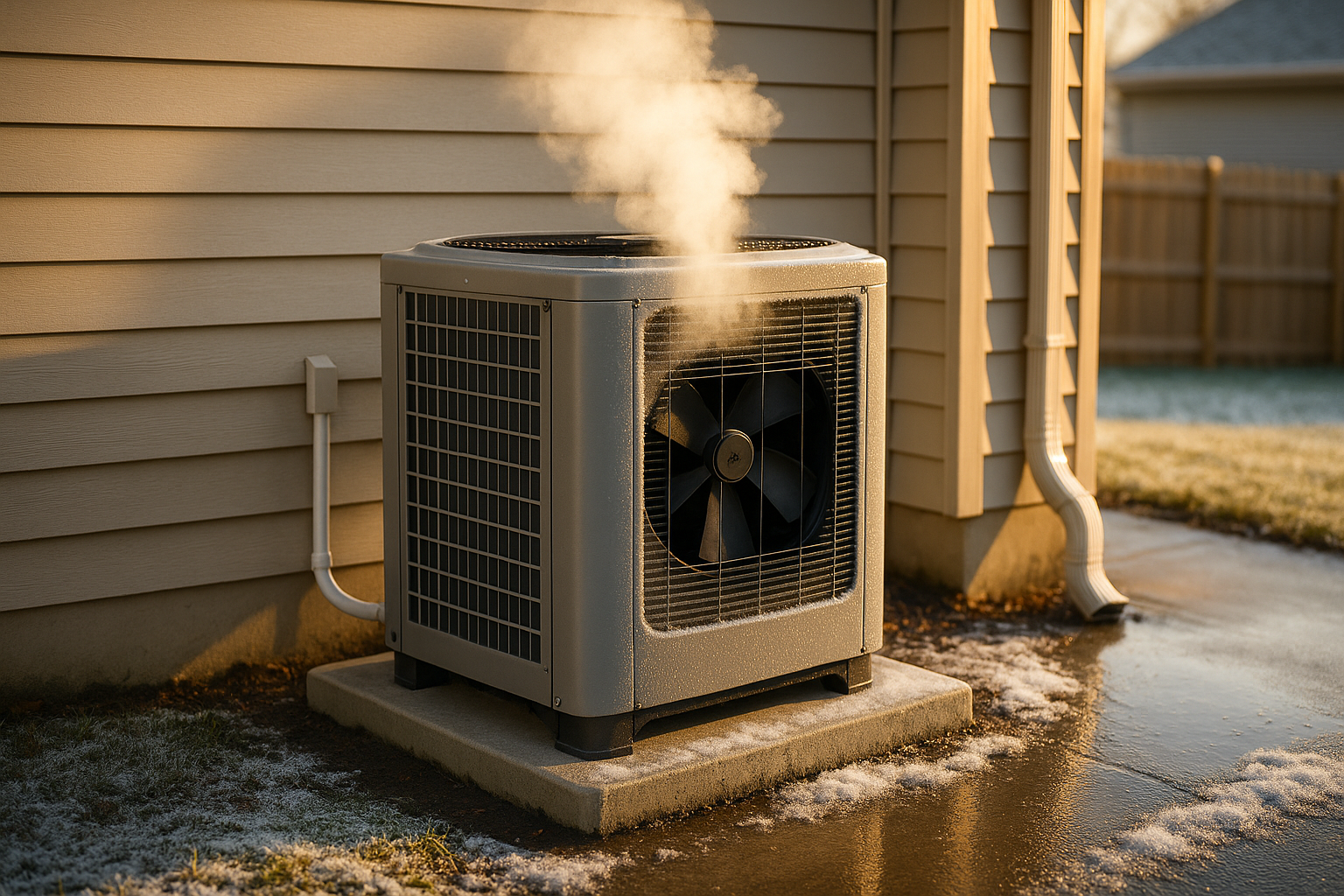
I still remember the call from a guy in Fishers. Jim, I think his name was. He’d just pulled into the driveway and his heat pump looked like it was smoking. White plumes rolling off it. The outdoor fan suddenly dead quiet. He’s thinking, 'Great, now I’ve got a fire on top of a cold house.' He was ready to hit the emergency shutoff. But here’s the thing—that steam, that silence, every bit of it was normal. It was just his heat pump defrost cycle doing its job.
If you’ve ever spotted your heat pump puffing steam or heard a sudden whoosh on a cold Indianapolis morning, you're not alone. Almost every homeowner with a heat pump has a version of this story. And once you understand what’s happening, it’s actually a pretty clever trick your system pulls to keep you warm.
So, What’s Going On?
When your heat pump defrost cycle does its thing, the system basically flips into cooling mode for a few minutes. It uses a component called the reversing valve to send hot refrigerant out to the outdoor coil. That melts the frost fast. While this is happening, the outdoor fan shuts off to trap the heat. That’s why you see steam (it’s just water vapor, not smoke) and hear a quick whooshing sound when the cycle starts or ends. Inside, your auxiliary heat—think of it as backup electric strips or a gas furnace—kicks on so you don’t get hit with cold air from the vents. Your thermostat might light up “AUX” during this. Totally normal.
In our central Indiana winters, a defrost cycle can happen every 30 to 90 minutes, especially during freezing rain or those raw, damp days we get around Greenwood and Noblesville. The cycle itself usually lasts 3 to 10 minutes. If you’re in a north-facing neighborhood with lots of shade—say, parts of Carmel—your unit might defrost a bit more often. No big deal.
What’s Normal vs. Not Normal
So how do you know if you’re just seeing normal heat pump behavior or something that needs a pro? Here’s a quick cheat sheet.
Normal stuff: - Light, patchy frost on the coil. Think of it like a thin layer of ice on a car windshield. - A short steam cloud that fades out after a couple minutes. - The outdoor fan stops, you hear a faint hum or whoosh. - Inside, you feel lukewarm air for a few minutes—not cold, just not toasty. - The whole thing wraps up in under 15 minutes.
Not normal stuff: - The entire unit is encased in thick, solid ice—like an ice cube tray with a motor inside. - Defrost cycles that happen back-to-back, or one starts before the last frost is gone. - The system stays in defrost way longer than 15 minutes. - You hear grinding, screeching, or a constant loud hum. - The unit never enters defrost at all and you see ice building up for hours.
Any of these point to a heat pump defrost cycle that needs attention. We see a lot of the “not normal” scenarios after freezing drizzle or when gutters drip right onto the unit. In older neighborhoods around Speedway or near the White River in Broad Ripple, downspouts aimed poorly can turn your heat pump into an icicle factory. And a heat pump that lives in a wind tunnel between two houses in Zionsville might ice up faster on the breezy side.
Whatever you do, don’t grab a hammer or screwdriver to chip the ice off. Those coils are delicate, and one slip can put a hole in them—then you’re looking at a refrigerant leak and a much bigger repair. Also, never pour hot water on a freezing unit unless you want a thermal shock crack. If it’s above freezing outside, you can gently rinse the coil with a garden hose, but honestly, if the ice keeps coming back, that’s a sign the defrost system isn’t working right.
Easy DIY Checks Before You Pick Up the Phone
Before you call for service, there are a few simple things you can check that might save you a trip charge.
First, clear anything blocking airflow. In Indianapolis winters, snow can drift against the unit, leaves get stuck, and kids’ sleds lean up against it. Keep at least two to three feet of clear space around the whole thing. While you’re at it, make sure your gutters and downspouts aren’t dripping onto the unit. I’ve seen homes in Brownsburg where a steady drip from a roof overhang keeps the heat pump perpetually icy—even when the rest of the yard is dry.
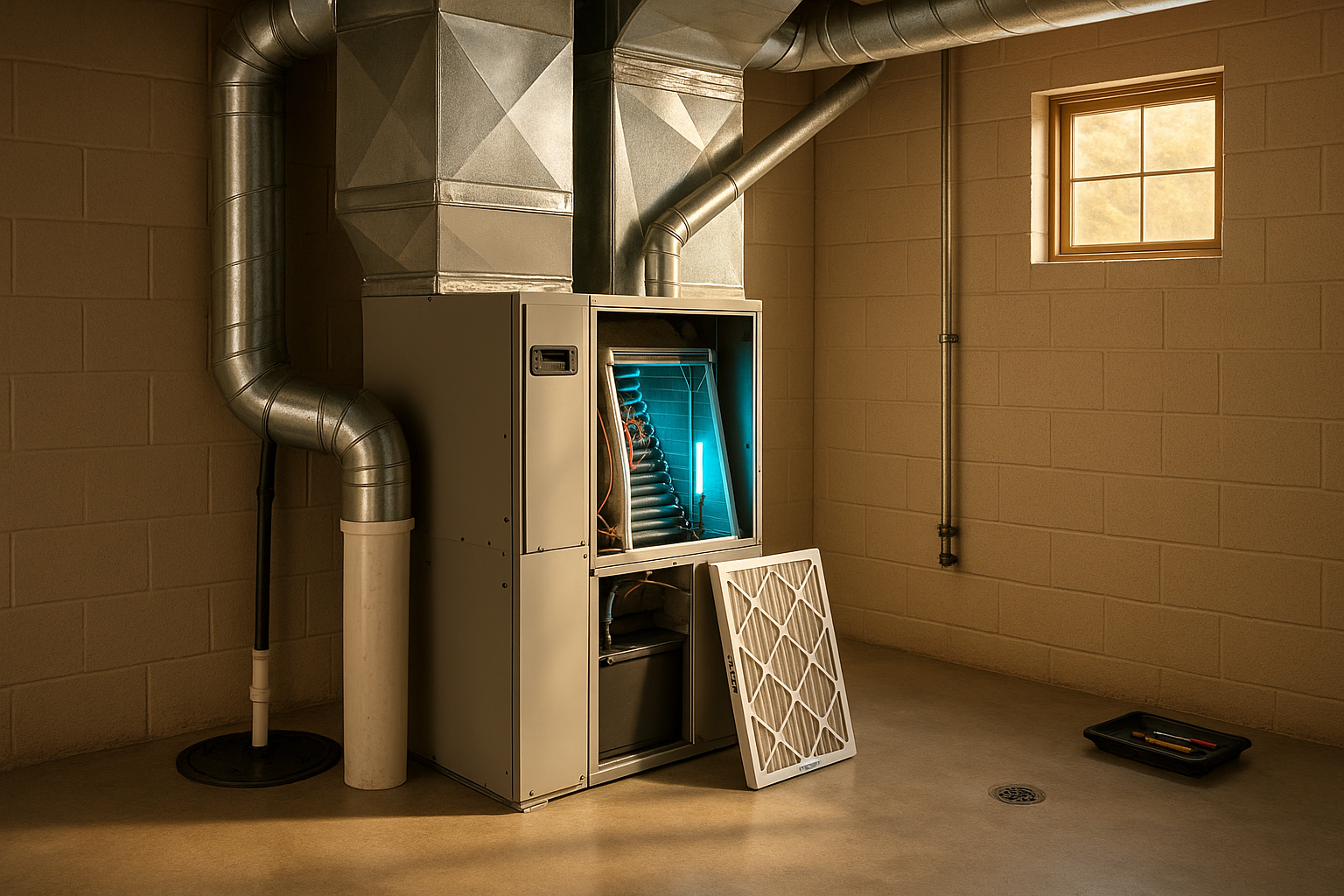
Next, check your air filter. A dirty filter chokes airflow across the indoor coil, which can cause the outdoor unit to run colder and frost up faster. Pop in a new one if it’s been a while. And if your house has older ductwork—common in many Indy homes built before the 1990s—leaks can make the cool defrost air feel even chillier. We’ve got a whole post on duct sealing in Indianapolis that might be worth a read.
Lastly, take a look at your thermostat. Make sure it’s set to “Heat” or “Auto” and not “Emergency Heat” unless the outdoor unit is completely buried in ice and you need backup warmth until a tech arrives. Emergency heat (AUX on some stats) is meant for just that—emergencies—so running it full-time will send your electric bill through the roof.
When to Phone a Friend (That’s Us)
If you’ve done the basic stuff and the ice keeps coming, or you see any of those “not normal” signs, it’s time to call in someone who knows heat pumps inside and out.
Thick ice that doesn’t melt even after a full defrost cycle, or defrost cycles that fire off every few minutes, often point to a faulty sensor, a defrost control board that’s gone haywire, or a reversing valve that’s stuck. Low refrigerant can also cause the coil to get way colder than it should, so more frosting. A good tech will check pressures, test sensors, and figure out if it’s a simple fix or if your system’s age is pushing you toward a replacement. We’ve written about when to replace vs. repair an HVAC system too.
If your unit is making weird noises, tripping breakers, or you spot oil around the refrigerant lines, get it looked at. And if your system is older, say 12-15 years, and the repairs start adding up, it might make more sense to swap it out. A newer heat pump with proper defrost logic and a raised pad (to keep it above snow drifts) will handle Indianapolis winters with way less drama.
Regular maintenance goes a long way. An annual tune-up in the fall makes sure sensors are calibrated, refrigerant is topped off, and the coil is clean before the first frost hits. That one visit can cut down on surprise defrost issues all winter. We serve all over—Indianapolis, Fishers, Carmel, Westfield, Noblesville, Greenwood, Avon, Plainfield, you name it.
So if your heat pump’s got more ice than a hockey rink, or you’re just tired of watching steam clouds every half hour, give HVACPros a shout. We’ll come out, do an honest diagnostic, and give you a clear plan with pricing before we touch anything. No scare tactics, just straight talk. Ready to get yours checked out? Head over to our quote page and we’ll set up a time. For more practical tips on keeping your home comfortable, check out our blog.
Ready for HVAC service or an upgrade?
NATE-certified techs, flat-rate diagnostics, and a free in-home assessment for any replacement — no pressure.