My neighbor Jim called me last November, voice shaking a little. He’d woken up to a 52‑degree house and a furnace that was just blowing cold air. First hard freeze of the year, and his system had quit sometime after midnight. A quick visit from a tech got it running—turned out to be a clogged filter and a dirty flame sensor that probably could’ve been caught weeks earlier. That’s when Jim learned: winterizing your HVAC isn’t about being fancy; it’s about not waking up shivering.
If you’re in Brownsburg or anywhere around Indianapolis, you know our winters can be sneaky. One day it’s 45 and rainy, the next it’s 12 with wind that cuts right through your siding. Getting your heating system ready before the first real freeze is the difference between cozy and crisis. Here’s how to winterize your HVAC system, Indiana‑style, from someone who’s heard too many late‑night no‑heat calls.
Start with a Simple Test Run
Don’t wait until you need heat to find out something’s wrong. Pick a mild afternoon in October or early November and switch your thermostat over to heat mode. Let it run a good 15–20 minutes. Listen for weird noises—banging, screeching, or that smell like burnt dust (that’s normal the first time, but if it doesn’t go away, you might have a problem). Walk through the house and feel each vent. Are they all pumping out warm air? Any rooms feeling cooler than others? If you notice uneven heating, don’t just shrug it off. It could be a duct leak or a zone damper issue that’ll only get worse when the temps drop.
Quick Wins: Filters, Thermostat, and Humidity
When people ask me how to winterize their HVAC system in Indiana, I always start with the simple stuff you can do in an hour.
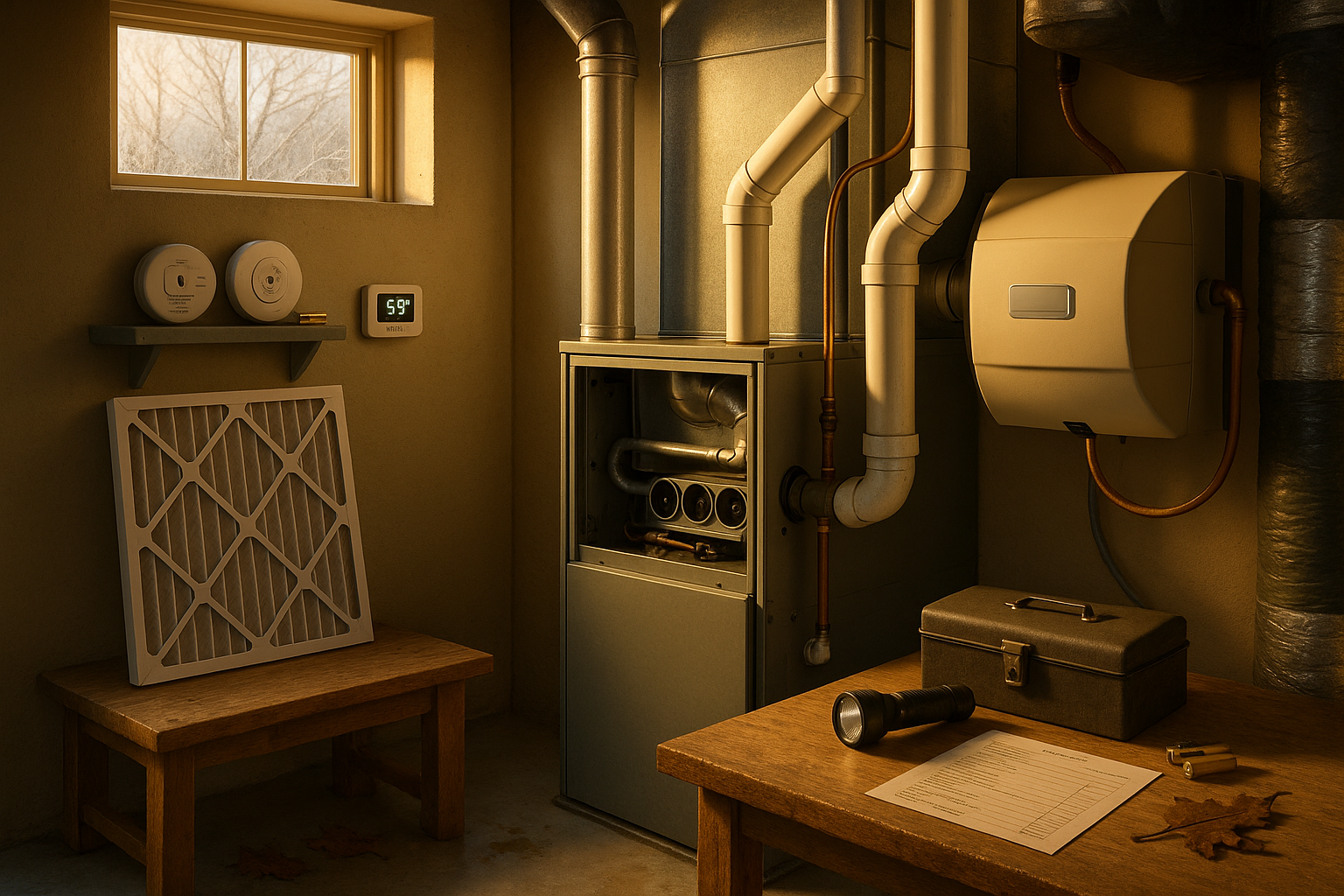
Change that filter. I know, you’ve heard it a million times. But a dirty filter in winter makes your furnace work too hard, can overheat the heat exchanger, and trip the limit switch—no heat. Go for a MERV 8–11 pleated filter and swap it before heavy runtime. Check it monthly in the cold months. Cheap insurance.
Thermostat settings matter. Make sure your program is set for winter. I like 68–70°F when you’re home, and dropping it 5–8 degrees when you’re asleep or away. If you’ve got a smart thermostat, enable adaptive recovery so it learns when to kick on. Not sure? A lot of folks in Noblesville have been switching to smart models—we wrote a thermostat buyer’s guide that breaks down which ones actually save you money.
Don’t forget the humidifier. Dry air feels colder. If you have a whole‑home humidifier, now’s the time to replace the pad and open the water line. Set it to around 30–40% relative humidity. That’s enough to stop dry air without fogging up your windows. In a typical Brownsburg winter, tweak it as the outdoor temp drops—colder outside means lower humidity to avoid condensation.
Give the Furnace Some Love
Your furnace has been sitting all summer. It deserves a few minutes of your time.
First, safety. Test your carbon monoxide detectors and smoke alarms, and make sure you’ve got fresh batteries. If you have a gas furnace, know where the gas shutoff is and that the electrical disconnect is easy to reach. I’ve heard too many stories about homeowners who couldn’t find the shutoff when they smelled gas—don’t be that person.
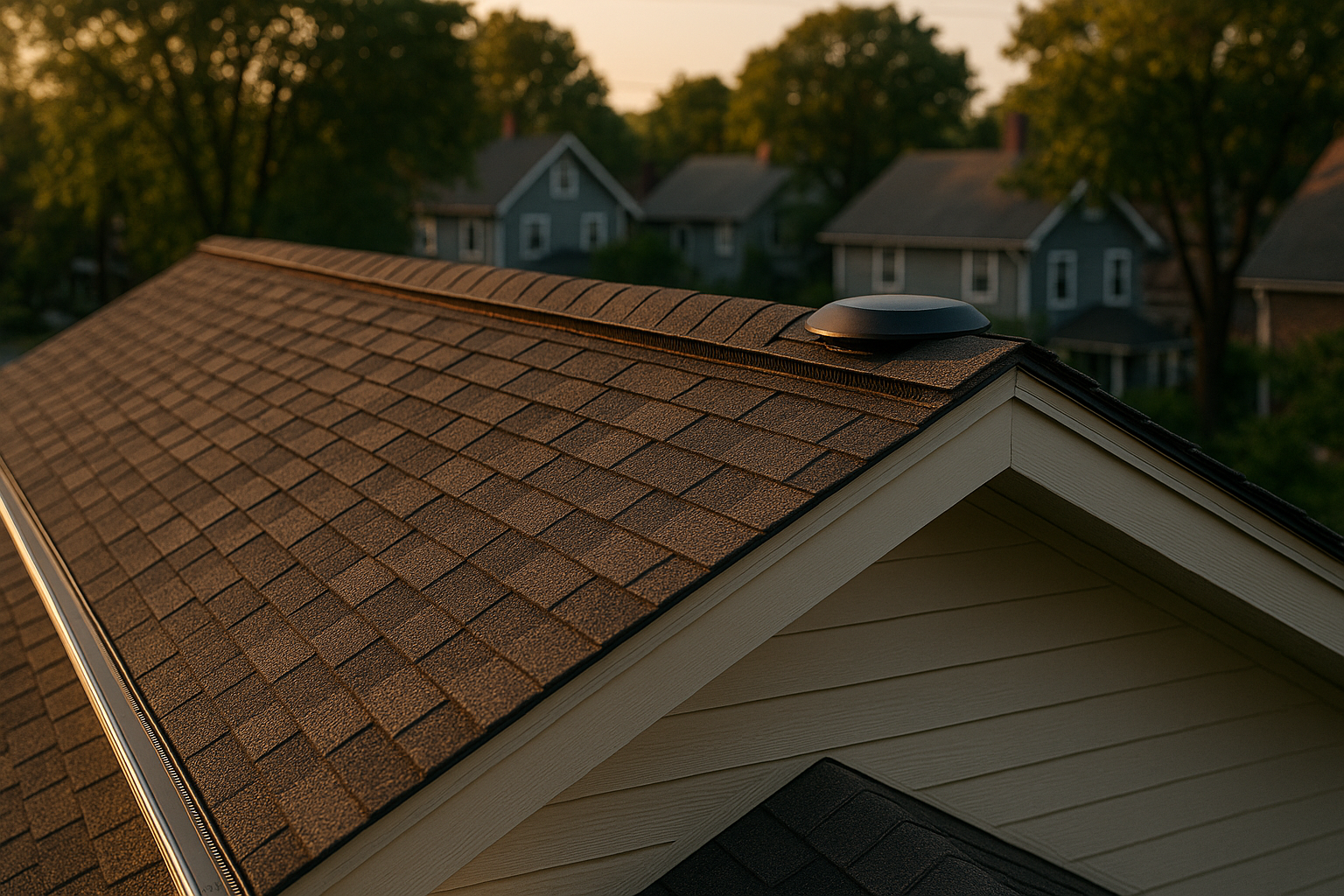
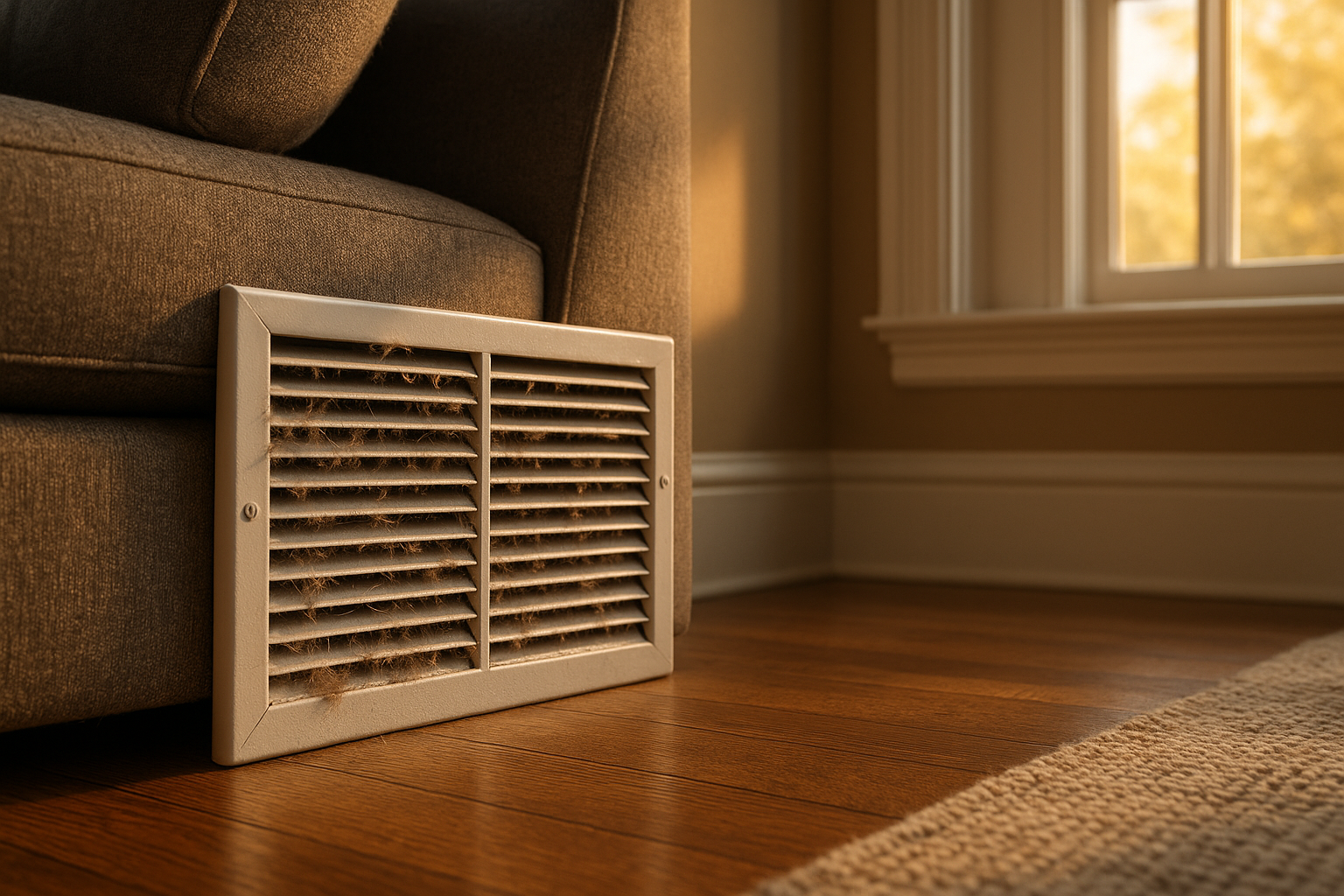
Then, clear the airways. Vacuum the return grilles and make sure supply registers aren’t blocked by furniture or rugs. Look at the PVC pipes that vent your furnace—they usually stick out the side of your house. Check that they’re not blocked by leaves, spiderwebs, or ice dams. In Brownsburg, with our freeze–thaw cycles, those pipes can ice over. Keep an eye on them after a heavy snow.
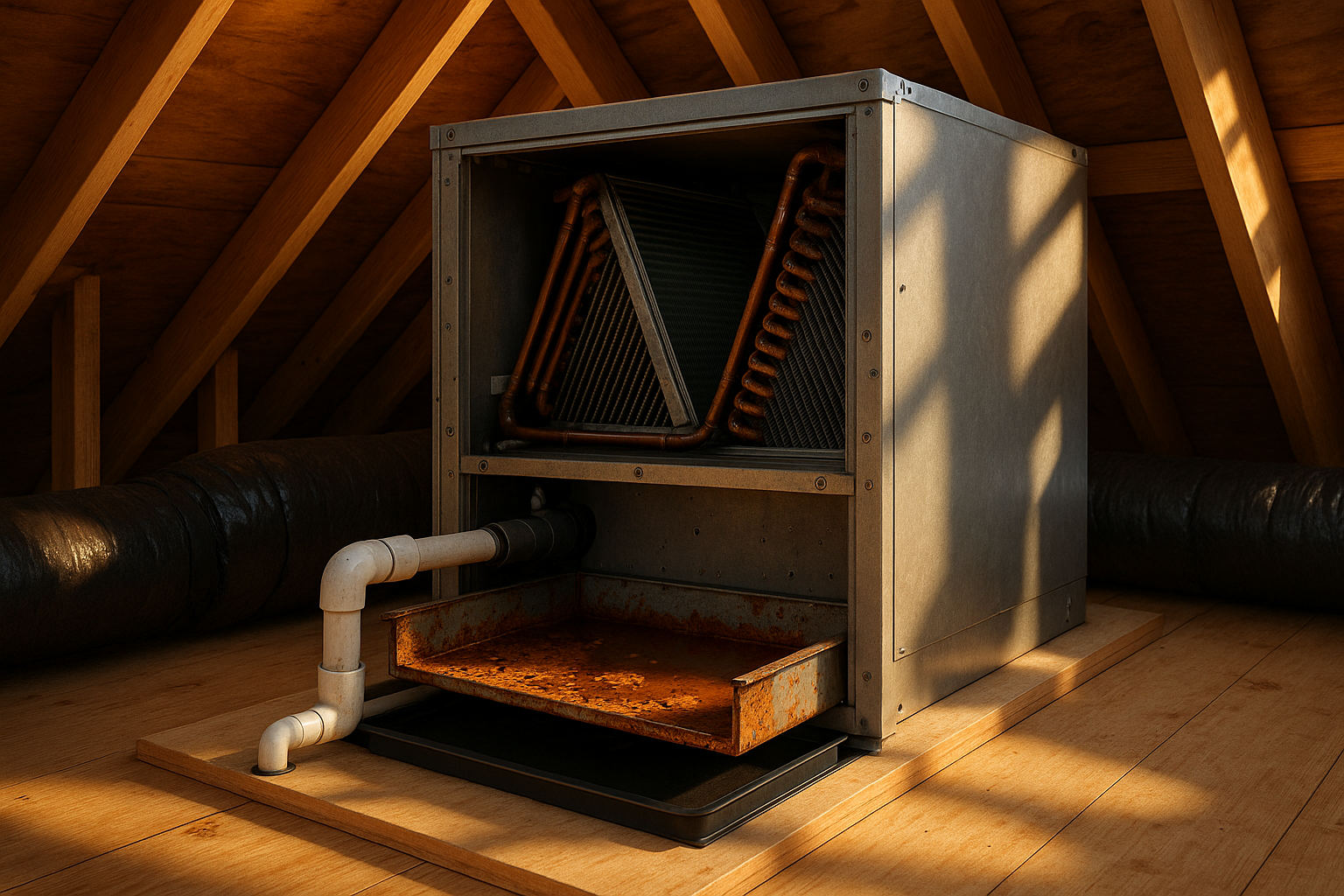
Condensate drains are sneaky. If your furnace has a condensate pump or a drain line, make sure it’s clean and the water can flow. If that line freezes in an unconditioned space, you’ll get a shutdown. A little heat tape on exposed drain pipes in the basement or crawlspace can save you a headache.
Outdoor Units Need Attention Too
If you’ve got a heat pump, it runs all winter. You need to give it room to breathe. Clear a 18–24 inch radius around the unit. Cut back any bushes that grew over the summer, rake out leaves, and make sure the unit is sitting above grade so drifting snow doesn’t bury it. When it goes into defrost mode, it’ll blow steam that looks like smoke—that’s normal. Don’t panic. And never shovel snow onto the unit thinking you’re “covering” it.
For a straight AC condenser (the one that only runs in summer), you don’t need to wrap it tight. Wrapping traps moisture and can rust things out. A breathable top cover or a piece of plywood with a brick on top is fine to keep leaves and twigs out. The main thing is to clear debris before winter so nothing rots against the coil.
Airflow and Insulation: The Cheap Fixes
My old neighbor—not Jim, the other one—used to close the vents in his spare bedrooms thinking he’d save a buck. Instead, his furnace short cycled all winter and his blower motor burned out early. Don’t close more than 10–20% of your supply vents; the system needs proper airflow to work right. And keep at least 2–3 feet of clearance around your indoor unit.
Check accessible ductwork in the basement or crawlspace. If you feel air leaking at joints, a little foil tape (not duct tape!) can seal them. Insulate any exposed ducts in unconditioned spaces—that’ll keep the air warm until it reaches your living room. It’s a dirty job, but it makes a real difference.
Ceiling fans: flip the switch to make them spin clockwise on low speed. That pushes warm air down from the ceiling without creating a draft. It’s not magic, but it adds a degree or two of comfort.
Weatherstrip the door to your utility room if it’s attached to the garage. That keeps cold air from sneaking into the mechanical space and making your furnace run more.
Know When to Call a Pro
Some things aren’t DIY. If your furnace is short cycling—turning on and off repeatedly—there could be a dozen causes, from a dirty flame sensor to an oversized system. We’ve got a whole article on furnace short cycling that walks through what to look for. Other red flags: burner flames that are yellow or flickering (should be steady blue), a strong chemical or sooty smell, breakers that trip. If you see any of that, shut it off and call someone.
And look, I get it—maybe your system is brand new. Why would you need a maintenance plan? Because even new equipment isn’t immune to installation quirks, condensate clogs, or faulty factory parts. A maintenance plan lets a tech catch those early. Plus, most manufacturers require yearly professional maintenance to keep the warranty valid. A tune‑up now also means you’re at the front of the line if your heat goes out during a cold snap. For folks in Westfield and Zionsville, we’ve seen how a maintenance plan pays for itself in avoided emergency calls.
I’ve heard homeowners worry about upsells or surprise charges with maintenance visits. That’s fair. A good company will give you a flat‑rate checklist price and only recommend repairs if they’re actually needed, with photos and explanations. No pressure. If a tech comes in and starts rattling off a $2,000 upgrade before even looking at your system, show him the door.
The Bottom Line
The truth is, how to winterize your HVAC system isn’t some secret—it’s just doing a handful of things before you’re desperate for heat. Test your heat, swap a filter, clear some debris, and maybe spend an hour in the basement with a flashlight and some tape. If you’d rather have a pro handle it, that’s smart too. A pre‑winter tune‑up catches the stuff you can’t see—like checking heat exchanger integrity, testing capacitors, and measuring refrigerant levels on heat pumps.
If you’re around Brownsburg, Plainfield, Avon, or anywhere in Hendricks County, get your heating system squared away before that first deep freeze. We’ve got a team that’s local, no‑nonsense, and actually shows up on time. You can request a visit right here and we’ll do a full winter readiness check. No upsells, just a system that’s ready to keep you warm all winter.
Ready for HVAC service or an upgrade?
NATE-certified techs, flat-rate diagnostics, and a free in-home assessment for any replacement — no pressure.