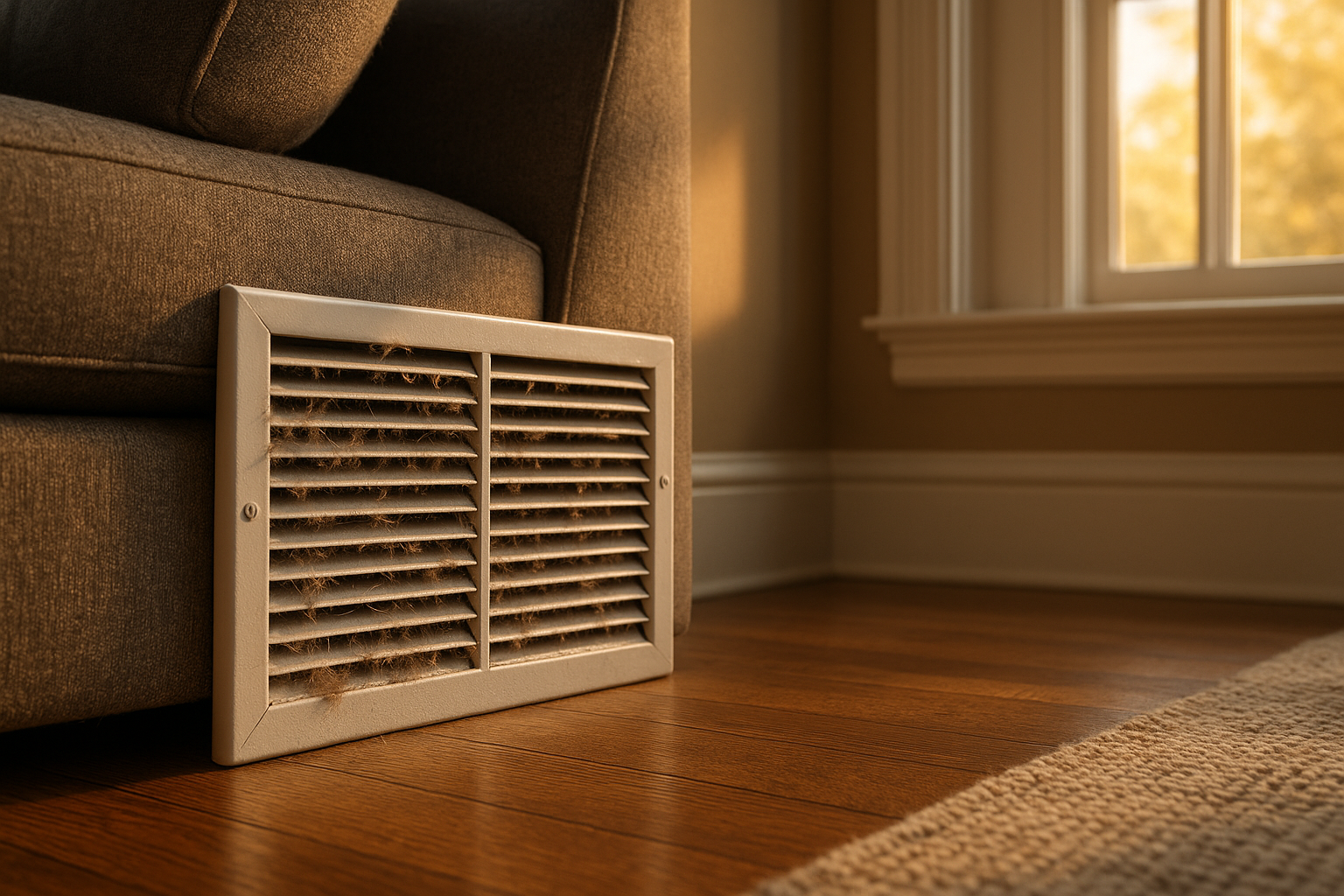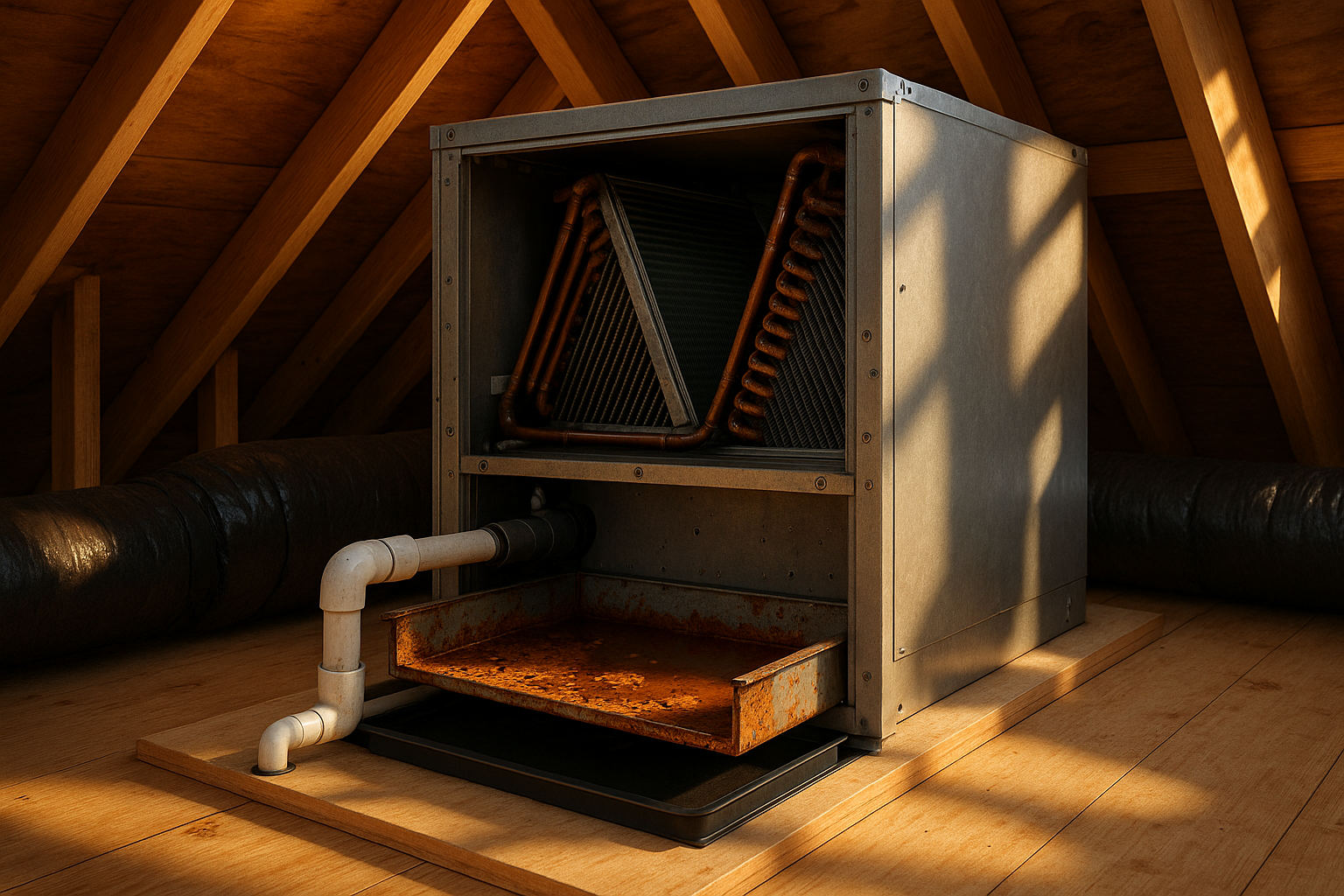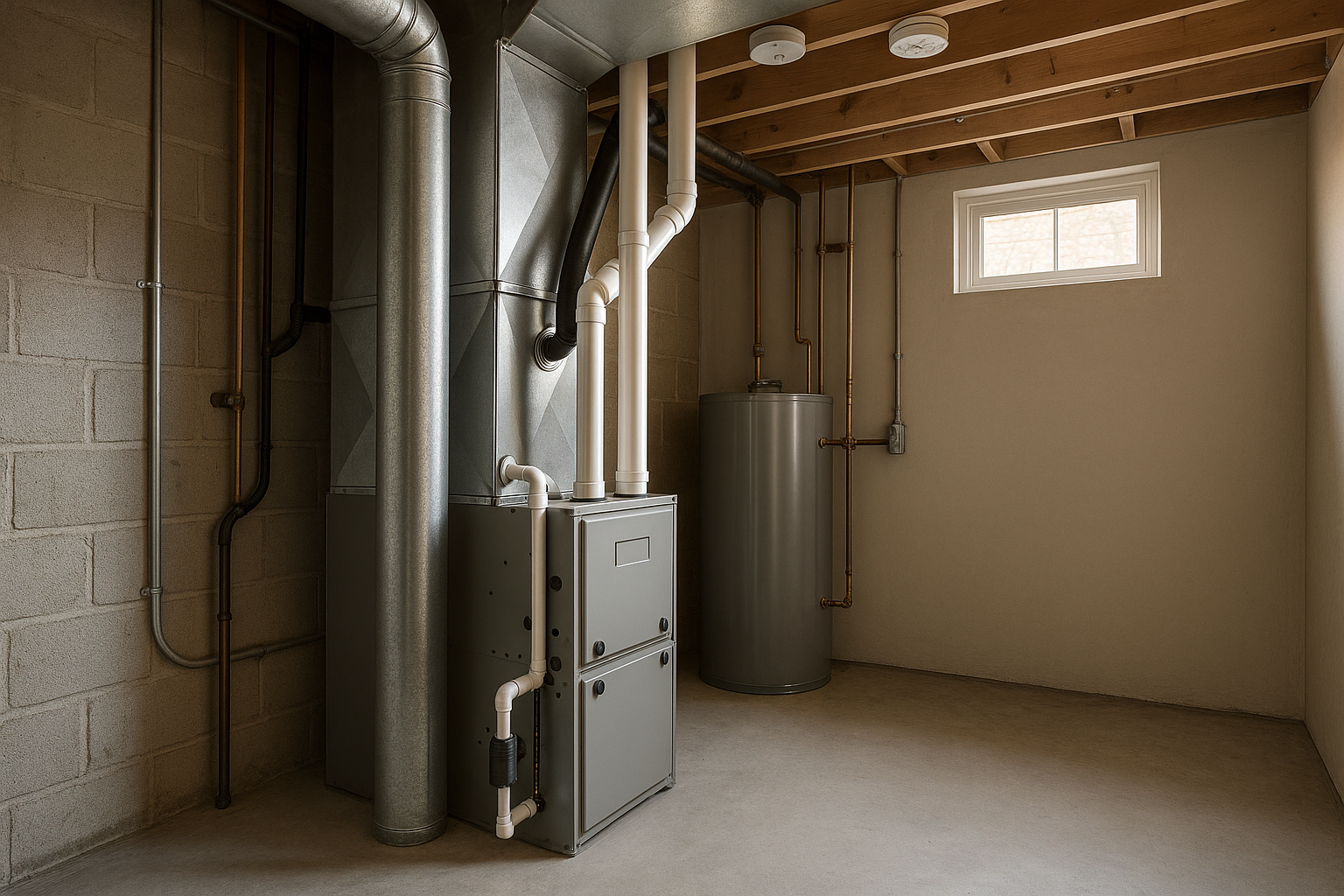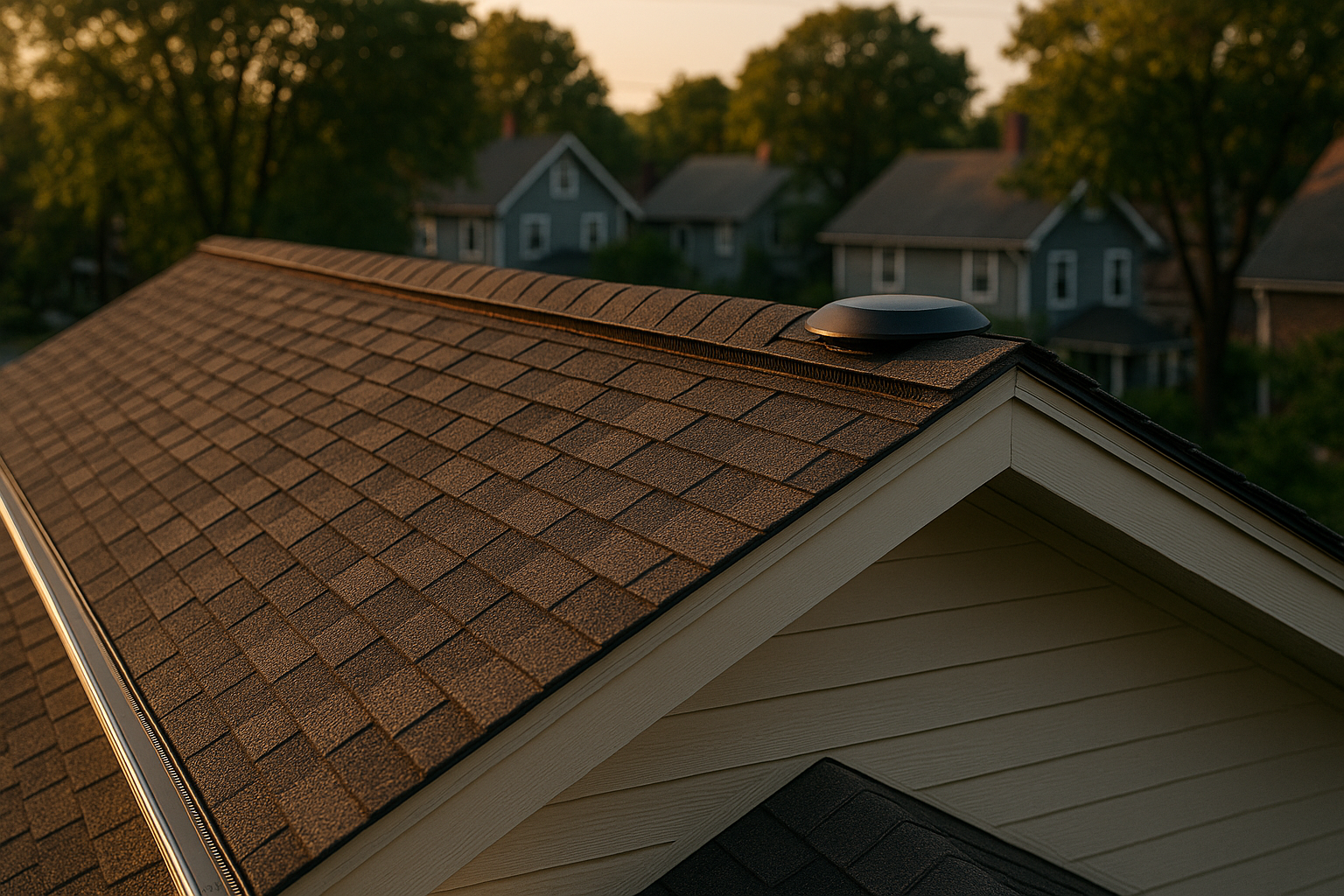
Last July, a homeowner in Fishers called us because their upstairs bedrooms felt like a sauna. The AC ran nonstop, but the ceiling was hot to the touch. They thought a new attic fan would fix it. Turns out, the soffit vents were painted shut, the ridge vent was clogged with pollen, and the old gable vent was doing nothing. We didn't just add more fans. We fixed the airflow first. And that made the real difference. That's what attic ventilation actually does. It keeps your roof system from turning into an oven. And when your attic stays cooler, your AC doesn't have to work as hard.
Attic ventilation isn't about cooling your living room. It's about moving hot, humid air out of the space under your roof. In Indianapolis, that matters a lot. Our summers get brutal with high dew points. Our winters bring freeze-thaw cycles. If that hot, moist air stays trapped, you get problems. Mold in the attic. Warped roof decking. Ice dams along the eaves. And your cooling load? It goes up because heat from the attic pushes down through the insulation into your ceiling.
How Attic Ventilation Works in an Indy Home
Most homes need a balanced system. Warm air rises. You want intake vents low (soffits) and exhaust vents high (ridge). That creates a natural chimney effect. Air flows in at the eaves, travels along the underside of the roof sheathing, and exits at the peak. This pulls heat and moisture out. The rule of thumb is net free area (NFA) of 1 square foot of venting for every 300 square feet of attic floor area. Split that roughly 50/50 between intake and exhaust. But not every house has that. In older neighborhoods around Broad Ripple or Irvington, we see soffits that are too small or painted over. In newer subdivisions in Westfield or Avon, ridge vents might be undersized. You need to measure and calculate, not guess.
Attic Vents vs Whole-Home ERV/HRV: Not the Same Thing
People confuse attic ventilation with whole-home ventilation. They are different animals. Attic vents manage the air in your attic, not your living space. An ERV (energy recovery ventilator) or HRV (heat recovery ventilator) brings fresh outdoor air into your home and exhausts stale indoor air. That's for indoor air quality. If your upstairs feels stuffy, your attic vent might be fine. The problem could be that your house is too tight and needs controlled fresh air. In Indianapolis, we usually lean toward an ERV because it helps manage humidity in summer. An HRV recovers more heat in winter but doesn't handle moisture as well. For most Indy homes, pairing good attic ventilation with an ERV is the sweet spot. They solve different problems.
If you add an ERV or HRV, you'll likely need a permit. Check out our guide on HVAC permit requirements in Indianapolis.
Air Sealing and Insulation Come First (Trust Me on This)
Before you add more vents, seal the air leaks between your living space and the attic. Gaps around can lights, bath fan housings, attic hatches, and chimneys let conditioned air get sucked into the attic. Then your AC runs more, and your humidity goes up. I've seen plenty of homes in Carmel where the owner added powered fans hoping to fix a hot upstairs, but the fans just pulled more air from the house. That made things worse. So we air seal first. Then we check the insulation. Even out the coverage, and make sure the soffit vents aren't blocked by insulation. That's why baffles matter. They keep a channel open at the eaves. If you need to improve insulation, read our post on attic insulation and HVAC efficiency.
And one more thing: bathroom fans and dryer vents should never dump air into the attic. That's just asking for mold. They need to exhaust outdoors, through the roof or a wall. Not into the attic.
Powered Attic Fans: Tempting, But Usually a Mistake
Powered attic fans seem like a quick fix. You cut a hole, mount a fan, flip a switch. But without enough intake air, those fans create negative pressure. They'll pull conditioned air from the house through every tiny crack. That's money going out the roof. And if your attic already has a decent passive system, adding a powered fan can fight it. You might get short-cycling or uneven temperatures. I almost never recommend powered attic fans for Indianapolis homes. A well-designed passive system with proper soffit and ridge vents works better, uses no electricity, and doesn't break down. If you have a really tricky roof geometry, maybe a solar-powered fan with a controller could work. But only after we've done the math.
If your home doesn't have continuous soffit vents, adding them can be a bigger job. Sometimes we cut new openings and install vented drip edge. That's where having a licensed general contractor on the job helps. We can handle the carpentry, the roofing work, and the HVAC side without you having to coordinate three different trades.
What to Expect from a Real Evaluation
When we come out to your home, we don't just sell you vents. We do an assessment. We measure your attic floor area. We calculate the NFA. We check what you already have. We look for air leaks. We check your bathroom exhaust terminations. We talk about your comfort complaints. Then we write up a plan. That plan might include adding soffit and ridge vents, air sealing, upgrading insulation, or installing an ERV/HRV. We show you photos and the numbers. No guesswork.
If you live in Indianapolis, Carmel, Fishers, Zionsville, Westfield, Noblesville, Greenwood, Brownsburg, Avon, or Plainfield, and you're tired of a stuffy upstairs or ice dams, let's talk. Reach out for a quote on our contact page. We'll give you a clear plan, not a sales pitch.
For more practical tips, check out our blog.
Ready for HVAC service or an upgrade?
NATE-certified techs, flat-rate diagnostics, and a free in-home assessment for any replacement — no pressure.