Last January, I got a call from a guy in Broad Ripple named Mike. His furnace had finally given up after 22 years, and he was sitting in a house that was 52 degrees, wrapped in a blanket, while his two kids complained about wearing hats indoors. He’d been reading up on heat pumps—some neighbors went with traditional air-source units, another guy three blocks down swore by his geothermal system. But Mike couldn’t nail down the numbers: how much more does geothermal actually save, and does it make up for the upfront cost here in Indiana? He felt stuck. And honestly, his frustration made perfect sense. There’s a lot of confusing stuff floating around, and most of it doesn’t account for our actual Indianapolis weather or what it feels like to live through a cold snap with a family that just wants to be warm.
The Real Difference Between Geothermal and Air-Source Heat Pumps
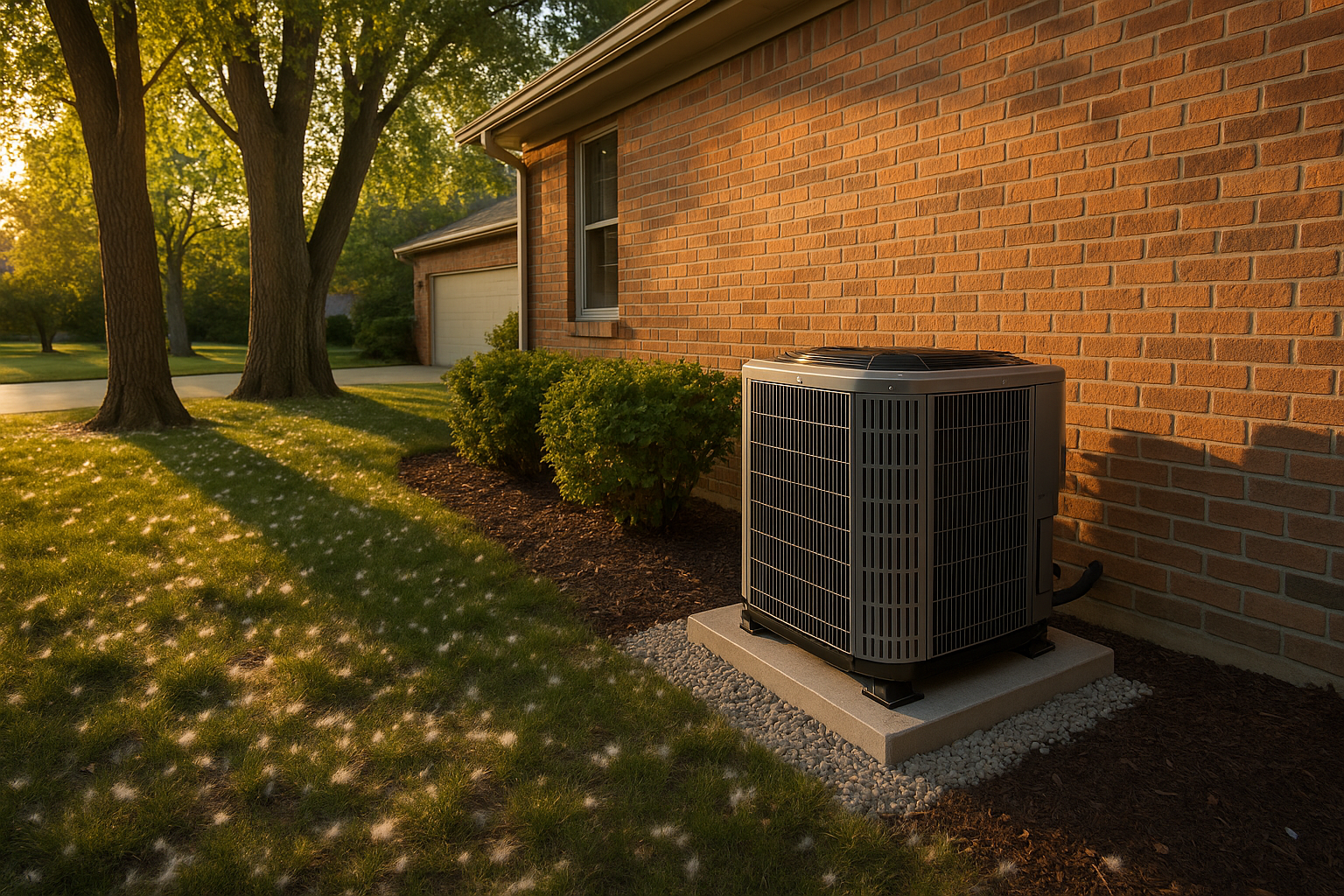
A heat pump is, at its core, a device that moves heat from one place to another. An air-source unit grabs heat from the outdoor air—even when it’s chilly—and pumps it inside. In summer, it reverses and dumps heat outdoors. Sounds simple, but the catch is that when outdoor temps drop into the teens and single digits, there’s just not as much heat to pull. That’s when an air-source heat pump leans on backup strips (electric resistance heaters that gulp power) or a gas furnace if you have a dual fuel setup.
Geothermal—also called ground source—does the same job but trades the outside air for the steady underground temperature. In central Indiana, the ground a few feet down stays around 50-55 degrees year-round. A geothermal heat pump circulates water or antifreeze through pipes buried in your yard (the loop field) and uses that stable temperature to heat and cool your home. It’s way more consistent, which is a big deal when it’s 5 degrees outside and your air-source unit is struggling.
Indiana Weather Runs Both Systems Through the Wringer
Our climate here is no joke. Hot, sticky summers and winters that dip into single digits more often than we’d like. In neighborhoods like Avon or Zionsville, where homes are often a little newer but still face the same temperature swings, air-source heat pumps have gotten better. Cold-climate models can keep chugging down to -15°F or so, but their output drops when you need it most. Most of them still fire up backup heat during those really cold nights, and that jacks up your electric bill.
Geothermal, on the other hand, doesn’t care what the weather’s doing. The ground temp is constant, so the system hums along at full capacity whether it’s January in Fishers or July in Greenwood. I’ve talked to homeowners in Noblesville who switched to geothermal and noticed that their winter bills were almost the same as mild-weather months, just because the system wasn’t fighting the outdoor temperature.
Efficiency Numbers That Actually Mean Something
You’ll see a bunch of ratings: SEER2, HSPF2, EER, COP. Let’s cut through the noise. For air-source units, SEER2 tells you summer cooling efficiency and HSPF2 rates winter heating. A solid cold-climate heat pump might have an HSPF2 around 8 or 9. A geothermal system doesn’t use HSPF2; it uses COP (coefficient of performance). A typical geothermal COP here runs between 3.5 and 4.5. That means for every dollar of electricity you put in, you get three to four and a half dollars worth of heat. In plain terms, a geothermal heat pump can cut your heating costs by 30-50% compared to a good air-source unit—especially during those long Midwestern heating months.
Plus, there’s EER for cooling. Geothermal often lands a high EER, so summer dehumidification and cooling cost less too. When you’re staring at Duke Energy or AES Indiana bills that swing wildly from season to season, those margins stack up.
Comfort and Noise: The Stuff You’ll Notice Every Day
If you’ve ever walked past an outdoor air-source heat pump while it’s running, you know the hum. Some models are quieter than others, but they’re still a mechanical box sitting next to your patio or lot line. In neighborhoods like Carmel where houses sit close together, that noise can be a sore point with neighbors—or your own peace of mind.
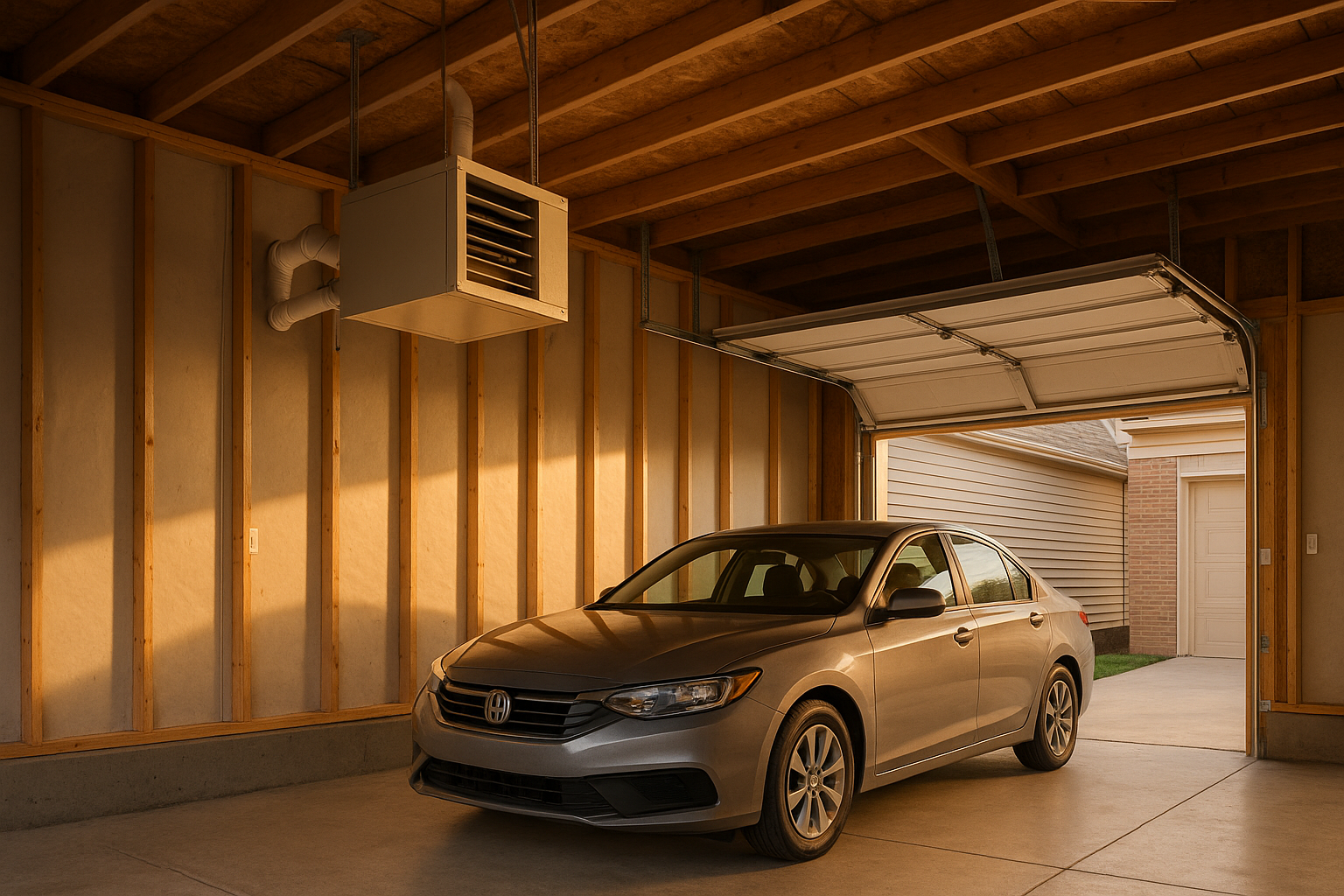
Geothermal has no outdoor condenser. The magic happens underground and inside your basement or mechanical closet. The only thing outdoors is a few small capped pipes in the yard. Inside, the heat pump unit itself is about the size of a furnace and lives in your basement, running with a soft whir. But comfort goes beyond noise: geothermal delivers supply air temps that feel warmer in winter compared to air-source heat pumps that sometimes blow air that feels tepid. Mike told me that his wife used to complain about “cold air blowing from the heat vents”; with geothermal, that sensory quirk vanishes.
Upfront Costs vs. Real World Payback
Here’s where most folks stumble. A geothermal installation in Indianapolis runs significantly more upfront because you’re paying for the loop field—drilling or trenching, piping, and labor. Depending on whether you need vertical bores or horizontal trenches, your site prep could run tens of thousands. The indoor equipment itself is comparable to a high-end air-source system, but the loop field investment is the big chunk.
But there’s a flip side. The federal 30% geothermal tax credit (no cap, through 2032) cuts a big bite out of that bill. Some Indiana utilities may offer rebates for heat pumps too, which we check during your quote. And operating costs are lower, consistently. If you plan on living in your home for 7-10 years or more, the payback period in central Indiana often lands right in that window—sometimes sooner, depending on your old system’s inefficiency and how well your home is insulated. You’re not just buying equipment; you’re buying predictable bills and a system that lasts. The loop field itself can last 50+ years, and the indoor unit 20-25 years with basic upkeep.
For homes in areas like Westfield or Brownsburg where lot sizes are generous, a horizontal loop might keep drilling costs down. In tighter spots around downtown Indy or older neighborhoods, vertical bores get the job done without tearing up your whole yard. Our team at HVACPros walks the site with you and explains the restoration plan so there aren’t any surprises.
Installation: What Your Yard and Week Will Look Like
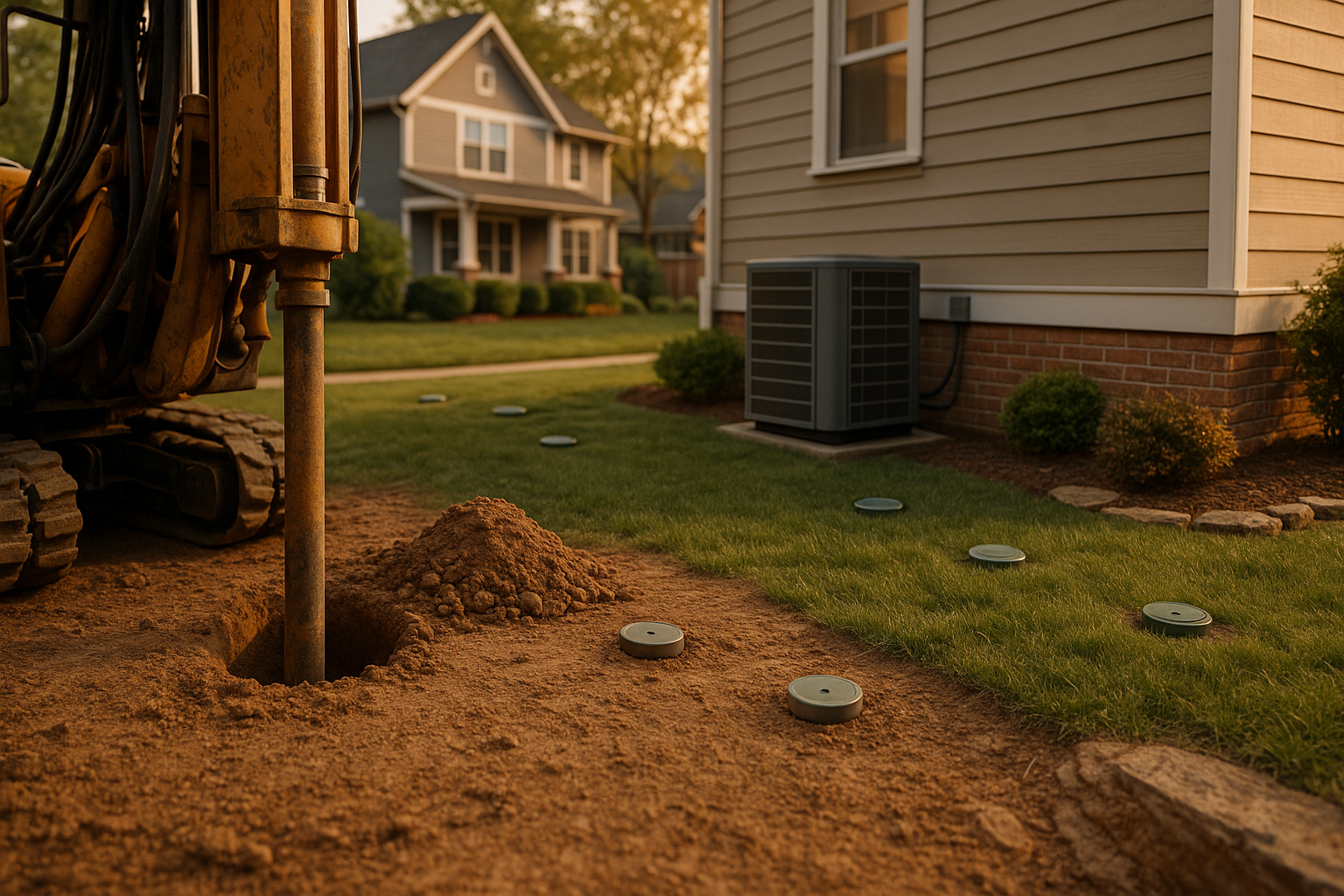
Let’s talk about that drilling or digging, because it’s the biggest worry I hear. Yes, your yard will be disrupted for a bit. But it’s not permanent chaos. With vertical bores, we bring in a drilling rig, punch holes typically a few hundred feet deep, and then run loops. In areas with clay loam and limestone—pretty common around Plainfield and Avon—we’re used to the soil conditions and plan accordingly. We handle all the utility locates and Marion County permits, and we’ll even tell you when it’s better to schedule outside of the soggy spring weeks.
If you have existing ductwork, both geothermal and air-source systems can often tie right in. We’ll check your ducts for leaks and sizing—if you haven’t had them looked at in ages, our ductwork replacement signs piece might be an eye-opener. Good ducts make any heat pump work better.
Horizontal vs. Vertical Loops: What Fits Your Lot
Horizontal loops need more yard space—think a few hundred feet of trench about five to six feet deep. If you’ve got acreage in Zionsville, that might be easy. Vertical bores are the go-to for smaller lots: each bore takes up about the area of a small table, and we cap them neatly at grade. We’ll help you decide after seeing your property, no pressure, just straight talk.
When Geothermal Makes More Sense (and When It Doesn’t)
Go geothermal if you hate noise, want the lowest possible heating bills, and plan to stay put long enough to catch the payback. Also if you’re tired of winter temperature swings and want that 30% tax credit to help offset the initial hit. It’s a premium system that pays off over time, and it’s a big plus when you go to sell someday.
Stick with a high-efficiency air-source heat pump if your budget right now is tight and you need a system fast—like in a replacement emergency. Or if you have a tiny lot that genuinely can’t accommodate any loop field (though we’ve made vertical work in some remarkably small side yards). Ductless mini-splits can be great for older homes without ductwork too, but that’s a different conversation. Our mini-split guide digs into those.
And don’t forget maintenance. Geothermal indoor units need the same filter changes and occasional checks as any system, but the loop field is virtually worry-free. Air-source units need seasonal cleaning and clear airflow, and they’re more exposed to weather and debris. If you want a low-stress relationship with your HVAC, check out how we handle maintenance plans in Westfield and beyond.
Getting a Plan That’s Actually Based on Your Home
Mike ended up going geothermal. His yard in Broad Ripple had just enough room for a vertical loop field, and he banked that 30% credit. His wife stopped complaining about cold drafts. The thing is, every home is a little different. The only way to get a real side-by-side comparison of geothermal vs heat pump Indiana costs and performance is to have someone who knows the area walk your property, do a proper load calculation, check your ductwork, and run the numbers with current incentives.
That’s where we come in. We don’t rush to push one system. We note everything—your lot, your soil, your insulation, your goals—and hand you a clear scope with pricing options. We even help with the tax credit paperwork so you don’t miss a dollar. If you’re curious whether a ground source heat pump Indiana makes sense for your home, schedule an in-home assessment and we’ll build a plan that feels right. No fluff, no hard sell—just straight answers from folks who work in your neighborhood.
Ready for HVAC service or an upgrade?
NATE-certified techs, flat-rate diagnostics, and a free in-home assessment for any replacement — no pressure.