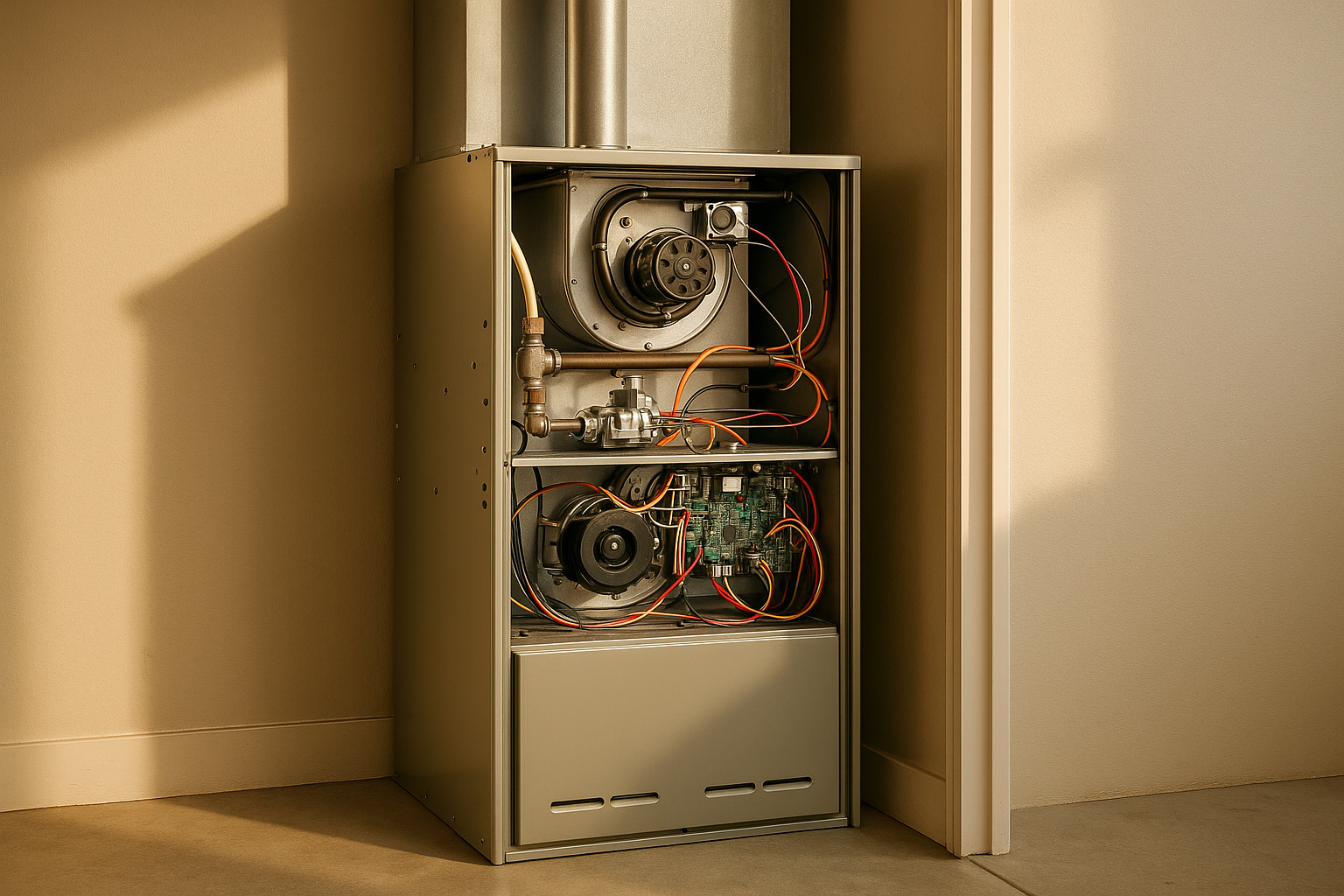
My buddy Dave called me one January morning, frostbitten and fuming. Not at me—at his garage. He’d spent fifteen minutes scraping ice off his windshield inside the garage because the space was so cold, the frost just hung in the air. Salt and slush from the week before had frozen into a sheet on the floor, and he’d nearly done a cartoon-style tumble carrying his coffee. “Man,” he said, “I need a garage heater.” And he wasn’t wrong. If you’re parking cars, tinkering with projects, or just trying to keep your tools from rusting, a heated garage stops being a luxury right around the first time you lose feeling in your fingers.
Why a Garage Heater Changes Everything
A heated garage isn’t just about comfort—though that’s huge. It’s about protecting what’s inside. When you pull a snow-covered car into a cold garage, that snow melts slowly, then refreezes, and the moisture sits on everything. Rust creeps in, and the constant freeze-thaw punishes concrete. A garage heater speeds up the drying, so your car and floor stay in better shape. If you use the space as a workshop, consistent warmth lets you work with wood, paint, and finishes that hate cold temps. Even if you just store lawn equipment or a second fridge out there, keeping the chill off saves on wear and tear.
In Indianapolis, we get those stretches where it’s barely above zero for days. A cold garage sips heat from the house through the shared wall, making your furnace work harder. A warm garage acts like a buffer zone.
Which Heater Fits Your Indy Garage?
Not all heating solutions are the same, and what works for a detached shop in Zionsville might be overkill for an attached two-car in Carmel. Here’s the run-down:
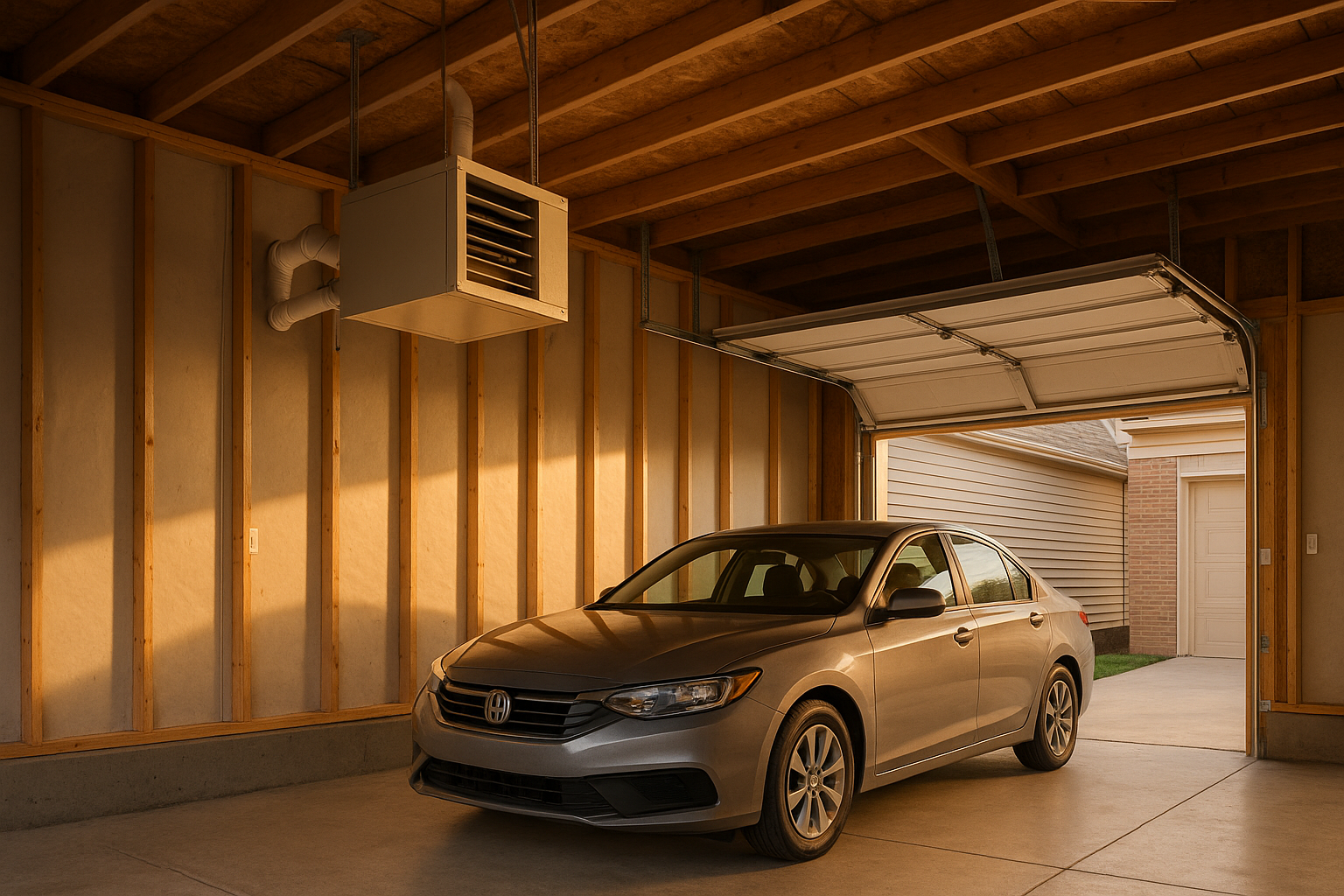
Sealed-Combustion Gas Unit Heaters
These are the go-to around here. They hang from the ceiling, pull combustion air from outside and send exhaust back out through a sidewall PVC pipe, so there’s no risk of fumes mixing into the garage air. They’re powerful, heat up fast, and run on natural gas—still the cheapest BTU in most of central Indiana thanks to Citizens Energy Group. For a typical 2-car garage, you’re often looking at a unit around 30,000 to 50,000 BTU if the space is insulated. Uninsulated? Closer to 75,000 BTU. Sizing a garage heater is part math, part experience—our techs use Manual J calculations adapted for garages, factoring in ceiling height, door openings, and design temps around 0°F.
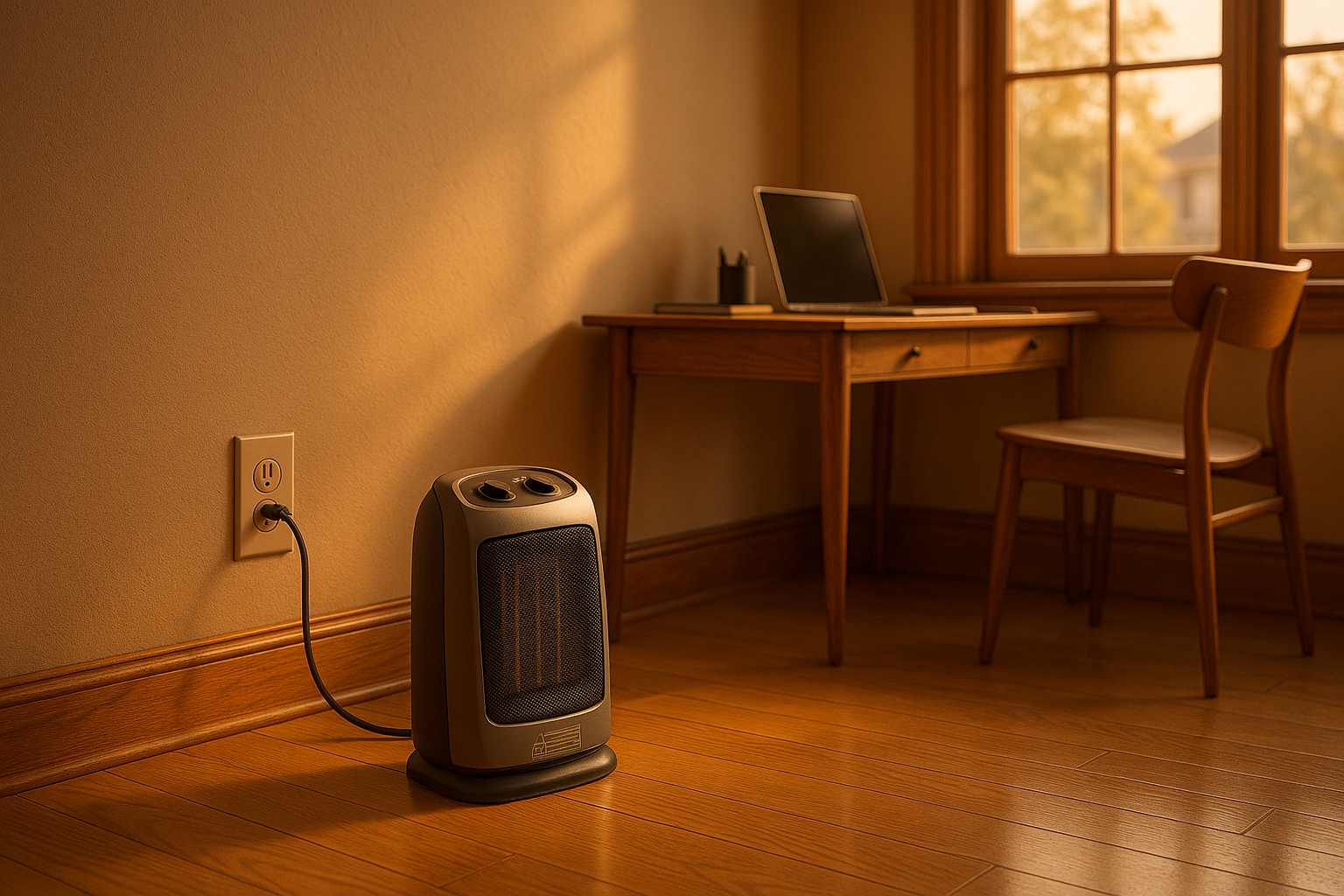
Electric Unit Heaters
Simpler: hook up a 240V circuit, mount on the wall or ceiling, and they blow hot. No venting, no gas line. But AES Indiana’s electric rates mean the operating cost is typically higher per hour of heat. They’re quiet and clean, though, and if you’re only running it a few hours on weekends, the higher kWh might not sting as much.
Infrared Tube Heaters
Instead of warming the air, they beam heat down at objects—the floor, the car hood, your workbench. That means you feel warm instantly when you step under the rays, even if the air temp is still cool. They’re dead quiet, and there’s no fan blowing dust around. Infrared is killer for a shop if you’re standing in one spot a lot. But mounting height matters, and you need clearance from vehicles and storage.
Ductless Mini-Split Heat Pumps
These work in garages too, especially cold-climate models that still pump heat when it’s below freezing. They’re efficient, and they give you air conditioning in summer—something no gas unit does. Downside: they can struggle a bit when we dip toward 0°F, though they still produce heat. Read more about how heat pumps handle cold weather in our post on defrost cycles. If your garage is well-insulated and you want year-round comfort, a mini-split might be perfect.
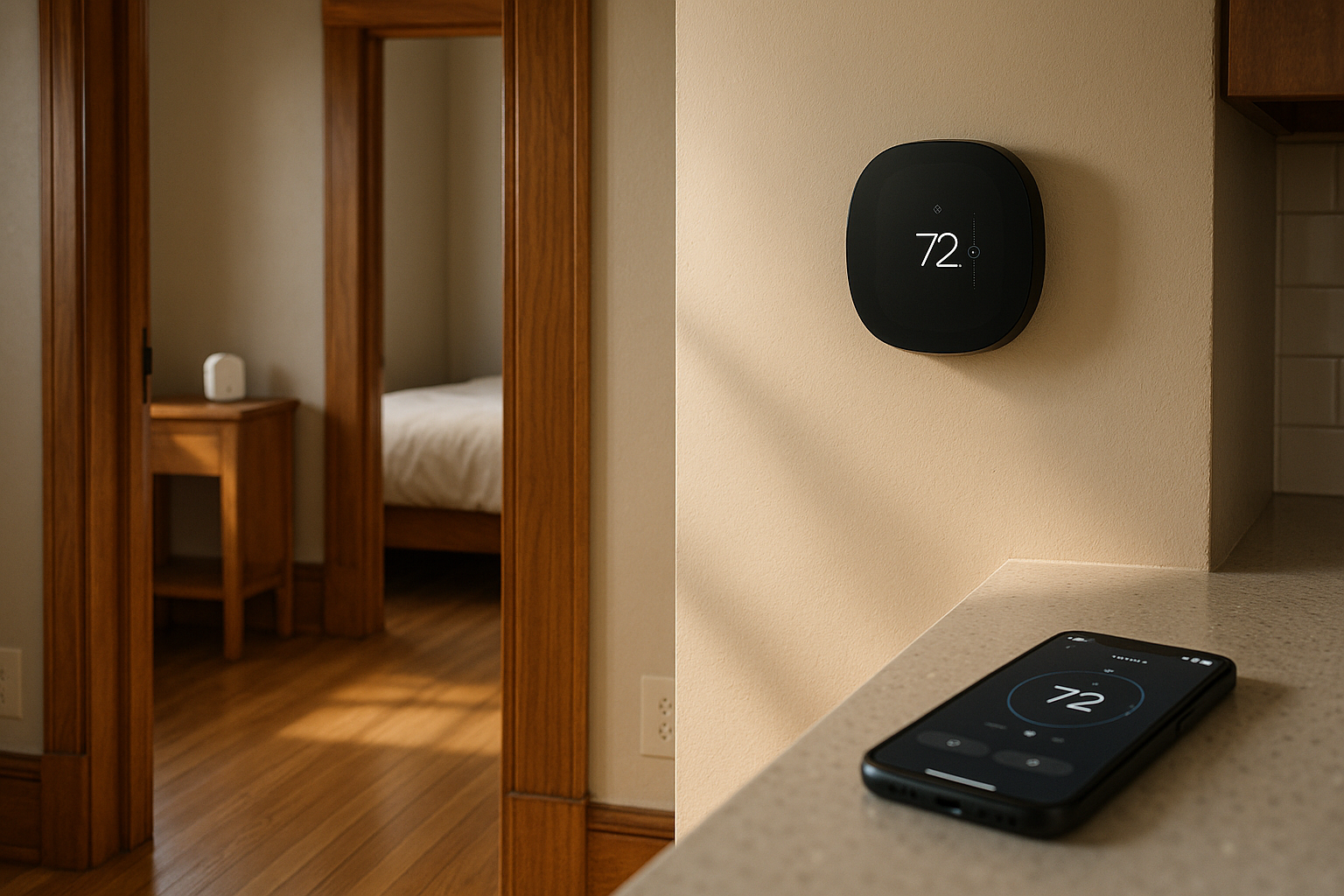
No matter which type, don’t skimp on the thermostat. A smart thermostat for a garage heater lets you set setback schedules—why heat a space to 60°F when you’re at work? Some can even alert you if temps drop near freezing, which is handy if you have water pipes in the garage.
Insulation First – It Makes or Breaks Your Heat
Before you buy a heater, look at what your garage is wrapped in. I’ve walked into plenty of attached garages in Meridian-Kessler that had zero insulation in the ceiling above, just bare rafters. Heat pours right up and out. Insulating the ceiling—and walls, if you can—drops the BTU requirement big time. It also reduces noise from a unit heater, since the space holds heat better and the fan cycles less. It’s like getting your home’s ducts sealed—small leaks add up. (We talk about duct sealing for houses here, but same idea applies.)
Then there’s the garage door. That big panel of metal is a heat sieve. Add weatherstripping around the sides and top, plus a thick bottom seal, and you’ll block drafts. Upgrading to an insulated door is even better. Simple fixes like these can shrink the needed heater size and make it easier to keep a steady temperature, especially in detached garages in alleys around Irvington or Broad Ripple, where wind whistles through.
Safety and Codes: Don’t Cut Corners
A garage heater lives in a space with gas cans, cars, and sometimes stuff stored up near the ceiling. Codes exist for a reason. Sealed-combustion gas heaters keep fumes out, period. Do not—under any circumstances—let someone install an unvented gas heater in a garage. They dump combustion byproducts into the room, and with the garage door usually closed, you’re gambling with carbon monoxide. A CO detector mounted on the wall near the entry to the house is a must, no matter what type of heater you use.
Clearances to combustibles (that’s code-speak for “keep stuff away from the hot thing”) are spelled out in the manual. Typically, you need a certain distance from the top, sides, and rear of a unit heater to anything that can burn—think plywood shelving or the paint cans you stacked up there. Ceiling mounting is popular because it’s out of the way, but make sure the unit isn’t directly above where you park or where you lift a car.
Gas piping needs a sediment trap and accessible shutoff, and if you’re adding a new natural gas line run to a detached garage, that has to be buried correctly. For electric heaters, a dedicated circuit and a disconnect at the unit are standard.
Make-up air is another thing people overlook. If you have a high-BTU gas heater and other appliances pulling air (like a dryer or a powerful exhaust fan), the space can go negative pressure. That draws cold air in through every crack and can backdraft appliances if the garage is attached. We assess that when we design the system—sometimes a simple intake vent solves it.
What About Permits and Inspections?
In Marion County and most of the donut counties, a fuel-burning appliance and any new electrical circuit requires a permit. We pull permits as part of the installation, and we schedule the inspection. It’s not a headache for you—we handle the paperwork, show up for the inspection, and make sure everything passes. Some suburbs like Fishers and Westfield have HOA rules about where vent terminations can go (they don’t want a pipe sticking out facing the street, for example), so we route things with that in mind. Better to get it right the first time than have the HOA send a letter.
Installation Day and What to Expect
Most garage heater installs take a day, assuming the gas line or electrical is already roughed in. If we need to run a new gas line from the meter across the yard to a detached garage, that adds time and some trenching—we coordinate that and restore the ground as best we can. Condensate drainage for high-efficiency models needs thought too: you can’t let a plastic line freeze, so we either drain to a floor sink inside or run it with heat tape.
We’ll scope out the best spot for the unit, keeping noise in mind (some blowers hum a bit, some are near-silent), and we’ll talk through thermostat placement so a cold draft from the door opening doesn’t trick the sensor. After the install, we’ll walk through annual maintenance: for gas heaters, a quick check of the vent, burner, and heat exchanger; for mini-splits, cleaning the filters and the outdoor coil. It’s simple stuff that keeps things efficient and safe.
Ready to Warm Up?
If Dave’s story sounds a little too familiar—or if you’re just tired of stepping into an icebox every morning—let’s get you a garage heater that actually fits your space and your habits. We’ll come out, measure, listen to how you use the garage (parking only? weekend woodworking? a little of both?), and then lay out a couple of options with real numbers. No hype, no pressure. Just a clear quote and a plan that gets you warm before the next cold snap. You can schedule a visit here.
Ready for HVAC service or an upgrade?
NATE-certified techs, flat-rate diagnostics, and a free in-home assessment for any replacement — no pressure.