Last January I got a call from a homeowner in Broad Ripple. Her old electric furnace was eating her alive. $400 electric bills every month, and the house still felt cold. She was convinced natural gas was the answer. But when we looked closer, her ductwork was leaking and her return air was tiny. The real fix wasn't just swapping fuel sources. That's the thing about comparing gas vs electric heat cost in Indianapolis: it's never just about the price of fuel.
The real cost isn't just the utility bill
Most folks ask, 'Is gas or electric heat cheaper in Indianapolis?' The answer depends on more than the cost per therm or per kilowatt-hour. You have to add up equipment cost, installation labor, any electrical or venting upgrades, annual maintenance, and expected lifespan. Think of it like buying a car: a cheap electric furnace might cost less up front, but the 'fuel' bill every month could be brutal. A high-efficiency gas furnace costs more to install but might pay back in a few winters. And a heat pump sits somewhere in between, depending on how you use it.
Running the numbers: gas vs electric
Let's get concrete. A typical 2,000-square-foot home in Indy might need about 60 million BTUs of heat per winter. (That number comes from a Manual J load calculation, which is the proper way to size equipment, not a rule of thumb. We'll talk about that more below.) With recent prices—Citizens Energy Group's all-in gas rate hovering around 72 cents per therm, and AES Indiana's electric rate near 14 cents per kWh—here's how the math shakes out.
- Gas furnace, 95% AFUE: 60M / 0.95 / 100,000 = 631 therms × $0.72 = about $455 per winter.
- Electric resistance furnace, 100% efficient at converting electricity to heat: 60M / 3,412 = 17,585 kWh × $0.14 = about $2,462 per winter.
- Heat pump with a seasonal COP of 3: 60M / (3,412 × 3) = 5,862 kWh × $0.14 = about $821 per winter.
Those are rough but realistic for Indianapolis. Your actual bills vary based on insulation, thermostat settings, and the weather. But the gap is real: electric resistance heat costs 4-5 times more to run than gas right now.
Electric furnace: cheap to install, expensive to feed
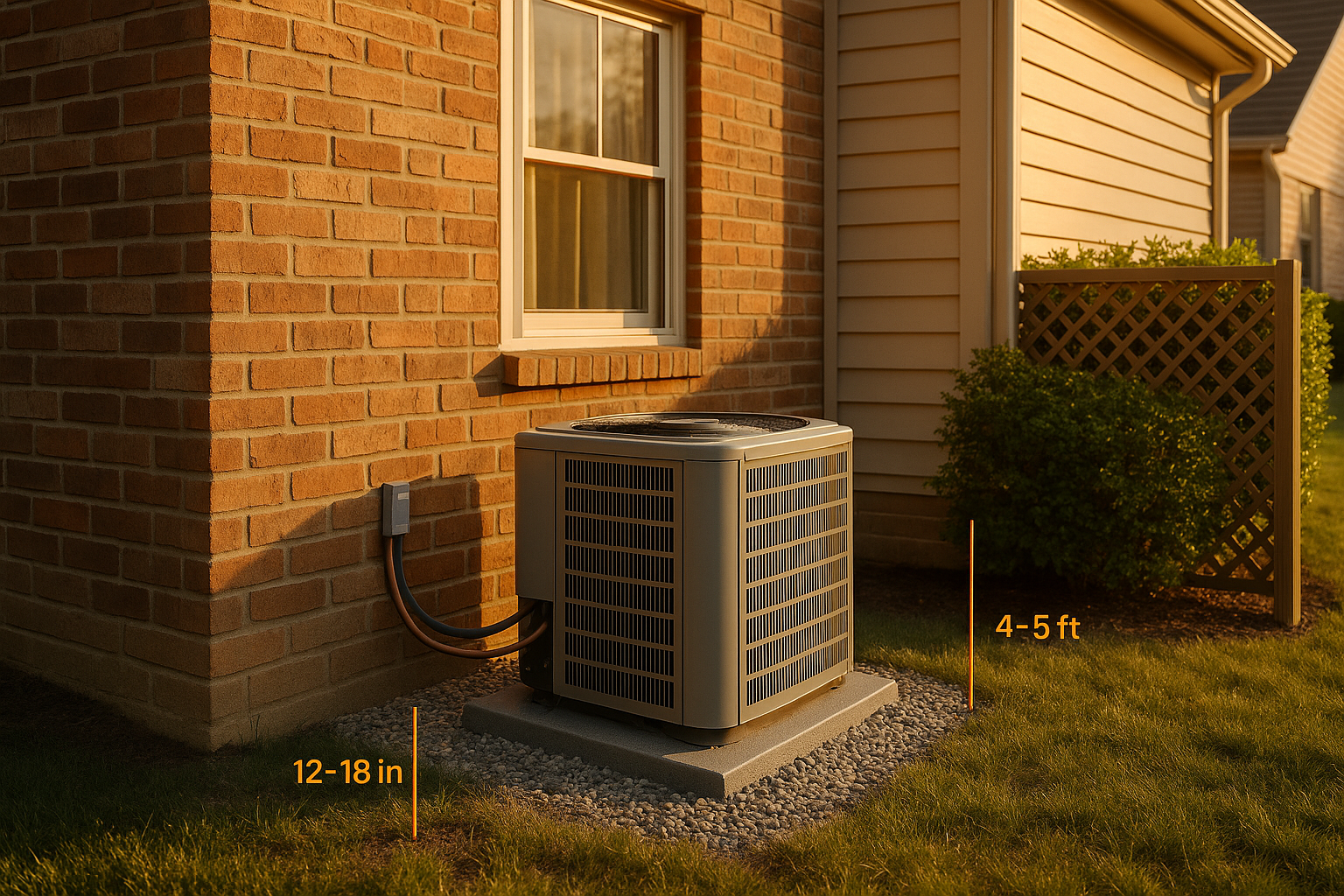
An electric furnace is simple—no gas line, no venting, no combustion air worries. It's basically a giant toaster. But it draws a lot of amps. Many homes in older neighborhoods like Irvington or Butler-Tarkington only have 100-amp panels. A 15kW electric furnace alone might need a 60-amp double-pole breaker. If you have to upgrade the panel, that electrical service work can add $2,000-$4,000 to the project. And then the monthly bills still hurt. I had a customer in Avon who loved her electric furnace because it was quiet, but she shut off unused rooms and wore sweaters all winter. Not great.
Heat pumps: not your grandma's electric heat
Cold-climate heat pumps have come a long way. They don't use electric resistance strips alone; they move heat from outside to inside, even when it's 20°F or lower. The efficiency (called COP) drops as it gets colder, but many models keep a COP above 2 down to 5°F. That means they still use half the electricity of resistance heat. In Indianapolis, we get plenty of days in the 30s and 40s where a heat pump shines. The catch? When it drops to single digits for a week in January, the heat pump's output drops and it may need backup. That backup can be electric strips (expensive) or a gas furnace (dual-fuel).
Dual-fuel: the Goldilocks option
Here's what I tell homeowners in Carmel and Fishers who want the best of both: install a heat pump and a gas furnace. The system uses the heat pump for mild days, then automatically switches to gas when the outdoor temperature hits a balance point (usually around 30-35°F, adjustable). That way you're never paying for electric resistance heat, and you're not burning gas when the heat pump can handle it cheaply. You need a thermostat that can control both, and a little extra wiring, but the annual operating cost often beats either system alone. For Indiana's shoulder seasons and deep freezes, it's a sweet setup.
Installation gotchas in Indianapolis
Before you pick a system, think about what's already in your house. If you're replacing a gas furnace, you likely have venting and a gas line. If you're switching to a heat pump, you might need an electrical upgrade. If you're going from electric resistance to gas, you need a gas line run and possibly a flue installed—that's a bigger job. In Marion County, a mechanical permit is required for furnace replacement, and the city inspects venting, combustion air, and gas connections. HVACPros pulls the permits and schedules inspections. We've seen DIY installs where the vent pipe wasn't sloped right and condensate froze, causing a shutdown. Not fun in February.
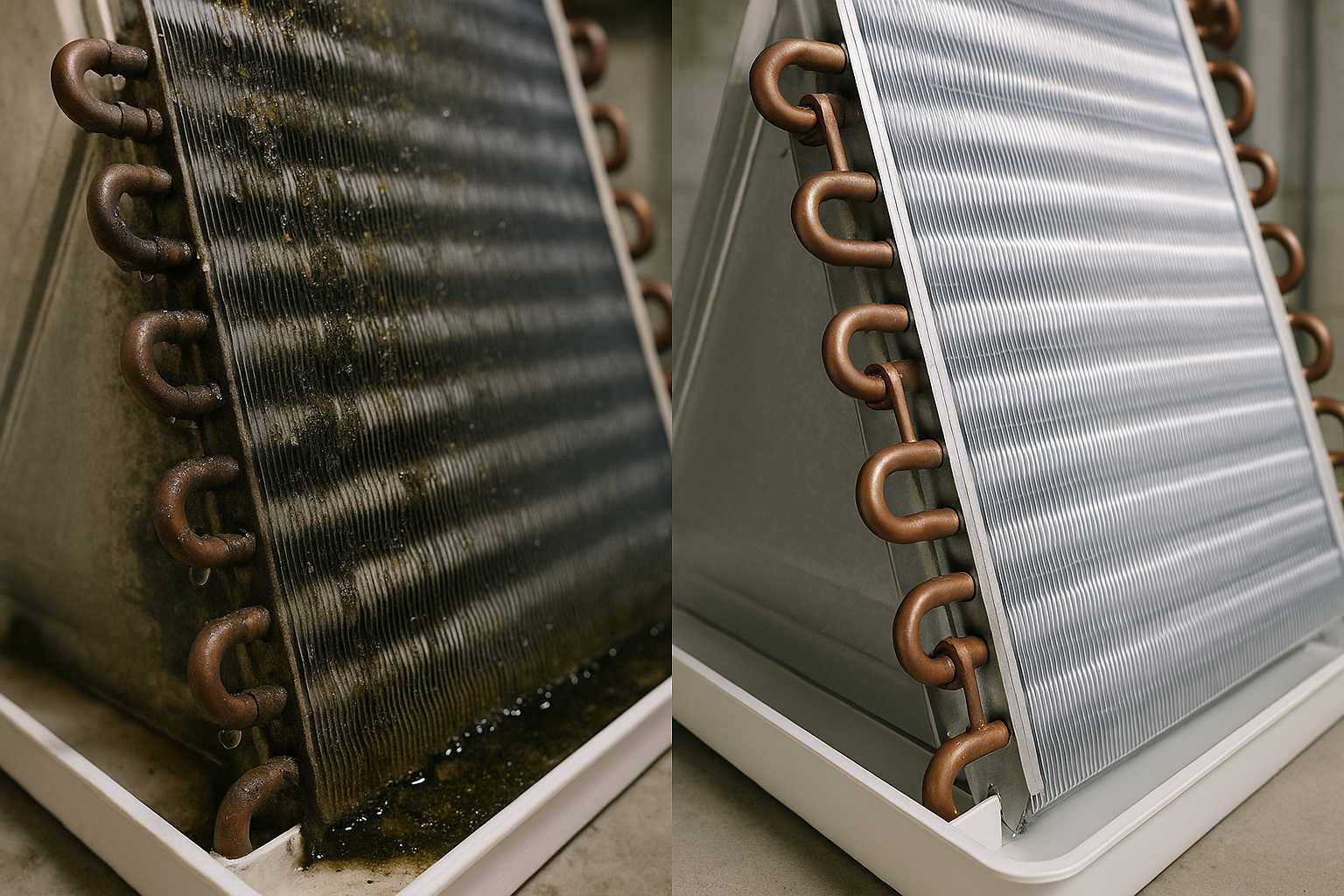
And don't forget ducts. Many homes in Meridian-Kessler, Broad Ripple, and Nora have beautiful old houses but duct systems designed for a different era. Leaky ducts or undersized returns can rob you of 20-30% of your heating output. That means you pay more no matter what fuel you choose. Before we recommend a gas vs electric heat cost comparison, we check duct static pressure and return air sizing. We've found runs that were never connected, filters caked with dust, and returns blocked by furniture. Those problems kill efficiency. You can read more about how blocked return air vents affect your system.
Comfort and safety
Gas furnaces blow air around 120-130°F, so rooms heat up fast and recovery is quick. Heat pumps put out air around 90-100°F, which feels cooler but is more constant and can actually be more comfortable because it heats more evenly. If you have allergies or dry skin, a heat pump with a good filter might help. But gas furnaces need carbon monoxide detectors—both low-level and standard—and annual maintenance to check the heat exchanger for cracks. A cracked heat exchanger can leak CO. In Indiana, we recommend every home with gas appliances have at least one CO detector on each floor. Check out our guide on first cold snap furnace checklist for more safety tips.
What HVACPros does differently
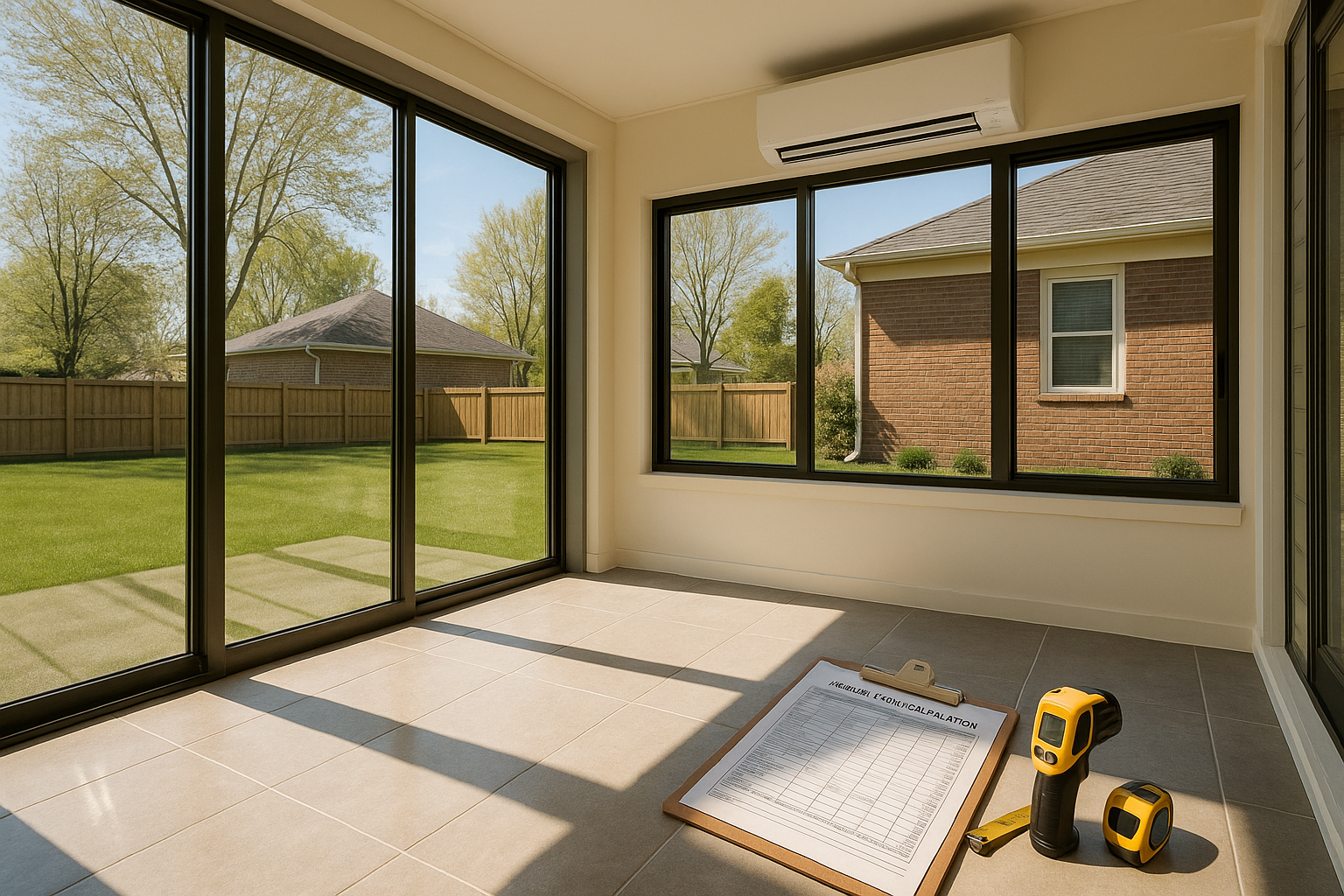
We don't sell you a box. We start with a home assessment: Manual J load calculation, duct static readings, infiltration check, panel capacity, gas line sizing. Then we give you three options—good, better, best—with itemized pricing for gas, electric, or dual-fuel. You'll see a written heat-cost comparison using your actual utility rates, not averages. We also check current rebates. Right now, federal tax credits up to $2,000 for heat pumps and $600 for high-efficiency furnaces might apply. Indiana utilities occasionally offer rebates too, but programs change. We'll explain what you qualify for. No pressure, no upsell. If your ducts are fine and your panel is adequate, we'll say so. If not, we'll show you exactly what needs fixing and why. As a licensed mechanical contractor, we handle all permits, inspections, and coordination with any electrical or plumbing work needed.
Let's figure out your numbers
Gas vs electric heat cost isn't a one-size-fits-all answer. Your home's size, insulation, duct condition, existing fuel lines, and local utility rates all play a part. The only way to know for sure is to measure. If you're in Indianapolis, Carmel, Fishers, Zionsville, Westfield, Noblesville, Greenwood, Brownsburg, Avon, or Plainfield, give us a call. We'll schedule an in-home assessment, do the math, and hand you a same-day written quote with all your options laid out. No guesswork, no surprises. You can book online at /#quote or call the office. We'll help you pick the system that keeps you warm without burning a hole in your wallet.
Ready for HVAC service or an upgrade?
NATE-certified techs, flat-rate diagnostics, and a free in-home assessment for any replacement — no pressure.