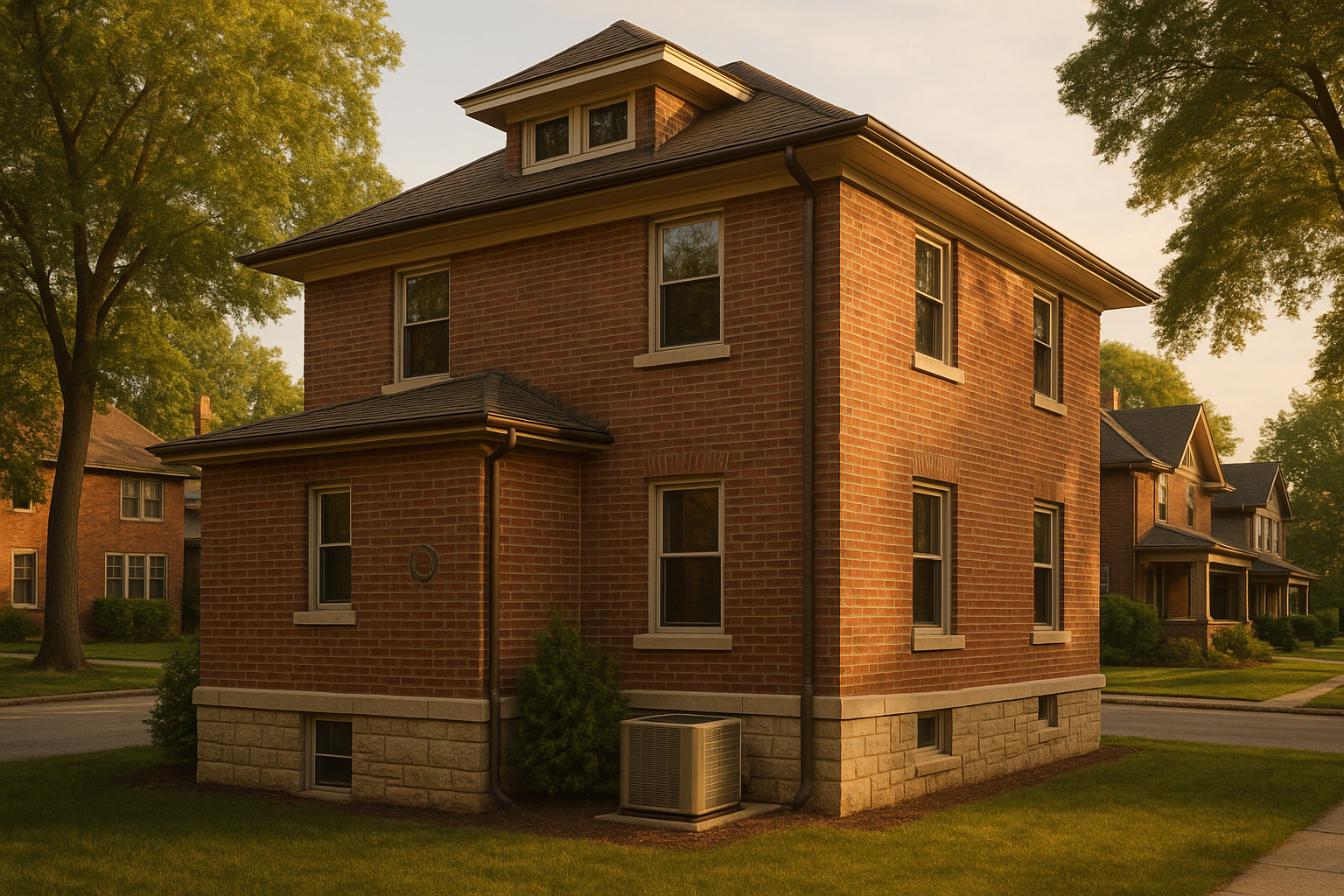
Last winter I got a call from a homeowner in Meridian-Kessler. Her 1920s brick foursquare still had the original gravity furnace in the basement. That thing looked like an octopus with metal arms reaching up through the floors. She was living with cold bedrooms, a dining room that felt like a sauna, and plaster cracks that kept getting worse. She asked me, "Can you even put a modern furnace in a house like this without tearing it apart?" I hear that a lot in older Indianapolis neighborhoods like Irvington, Old Northside, and Woodruff Place. The answer is yes, but you have to plan it right. Rushing into a furnace replacement in a historic home is how you end up with ugly vent pipes on the front facade or a system that's too big and noisy. Here's what we've learned from doing historic home hvac work across the Indianapolis area.
Why Old Houses Need a Different Playbook
A 1920s bungalow or a Victorian in Fountain Square isn't like a new build in Fishers. The walls are plaster and lath, the framing might be balloon style, and the chimney is probably original masonry. Air leaks in from everywhere. If you just slam in a modern 80,000 BTU furnace without checking the actual heat loss, you'll get short cycles, loud blower noise, and drafts that make you crank the thermostat higher. That's why we always start with a room-by-room load calculation. Not a guess based on square footage. We measure every room, check window sizes, note which walls are exterior, and look at the insulation situation. Then we talk about air sealing. Adding insulation in the attic or caulking around old windows can drop the heating load enough that you can install a smaller, quieter furnace. Many homeowners worry a new system will gut their plaster or trim. It won't if you plan first. A furnace replacement Indianapolis homeowners can trust is one that starts with math, not a sales pitch.
Picking the Right Furnace for Comfort and Character
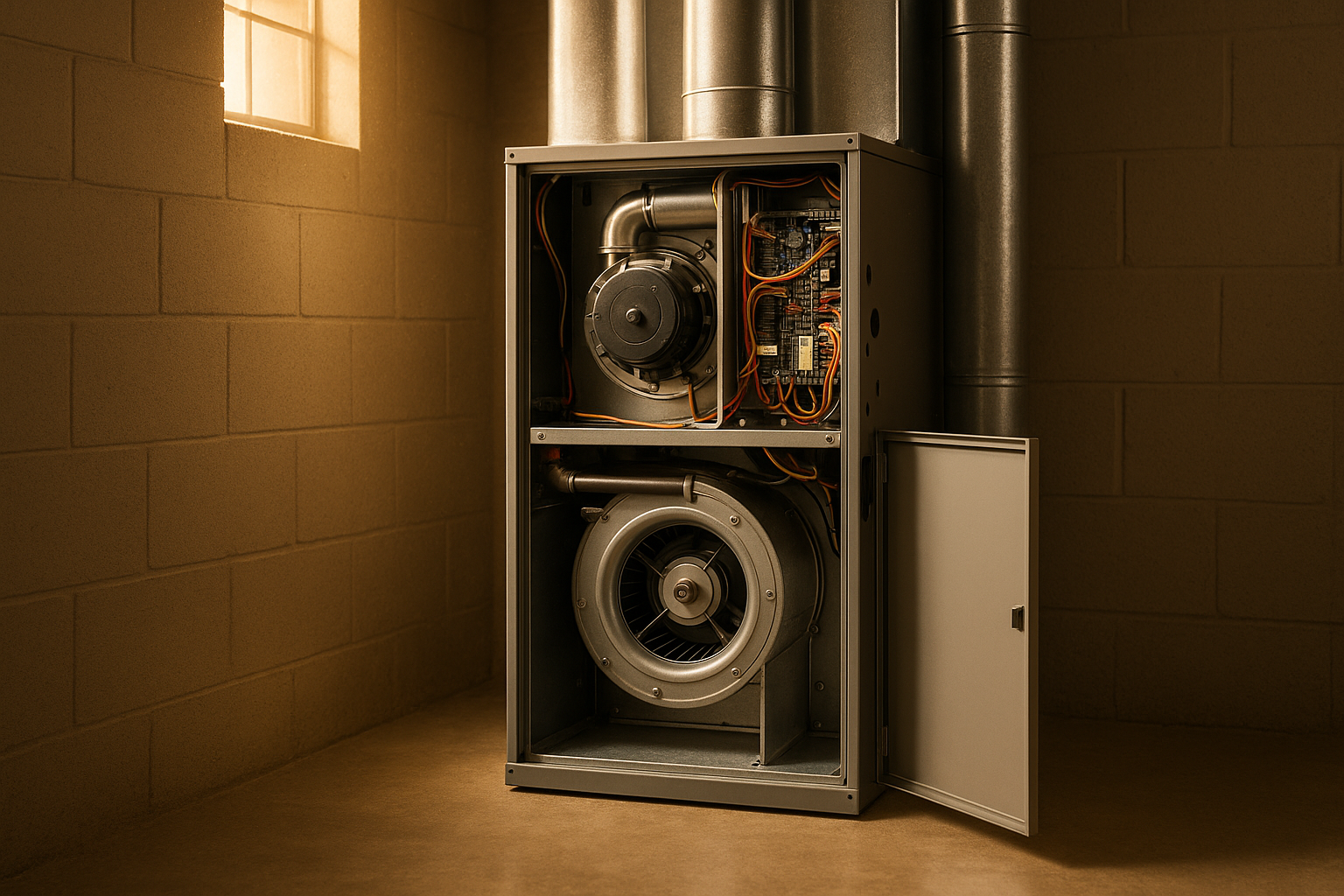
For older homes, we almost always recommend a sealed combustion furnace. That means it pulls outside air for burning and vents exhaust outside, so it doesn't steal air from your living space. Gravity furnace replacement is common in these houses. The old gravity units had no blower and relied on hot air rising. Modern furnaces need ductwork that can handle airflow. If the original ducts are still present, sometimes we can reuse them if they're sized okay and not rusted through. But often they need resizing or replacement. A two-stage or variable-speed furnace is a great fit because it runs at lower output most of the time. That gives you more even heat, less noise, and better humidity control in winter. Indianapolis winter heating needs are serious — design temps can drop to 0°F — but a properly sized furnace will still cycle on high only on the coldest days. If your basement has low headroom, like many 1920s places do, we have low basement clearance furnace options that only need about 30 inches of height. Some condensing furnaces are narrow enough to fit under low beams. We also check your gas line. Old houses often have undersized gas lines, so a gas line upgrade for furnace installation might be needed if you're switching from a lower-BTU unit to a high-efficiency one.
Venting and Chimney Options Without Ruining the Look
One of the biggest worries is venting. You don't want a white PVC pipe sticking out the front of your historic brick home. Good news: there are discreet options. If your masonry chimney is in good shape and has a proper liner, you might be able to vent a high-efficiency furnace through it using a stainless steel liner. That keeps the exterior look and protects the masonry from acidic condensate. We wrote a whole post about furnace flue venting inspection in Indiana that goes into the details. But sometimes the chimney is too tight, damaged, or the furnace room is far from the chimney. In that case, sidewall venting is allowed — usually on a side or rear wall, not the facade. The Indianapolis Historic Preservation Commission (IHPC) may require a Certificate of Appropriateness if your home is in a protected district like Lockerbie Square or Chatham Arch. You should check before cutting any holes. We help homeowners prepare that paperwork. The key is to place the terminations low, paint them to match the brick, and use a concentric vent kit that combines intake and exhaust in one small pipe. That looks much cleaner than two separate pipes. And always, always make sure the vent slopes correctly and the condensate drains somewhere safe. In a historic home, condensate from a condensing furnace can't just drip onto a basement floor unless you want moisture problems. We route it to a floor drain or a small pump.
Ductwork, Returns, and Quiet Airflow
Old house ductwork design is more art than science. If the original system had round pipes running through closets, you might be able to reuse the chases. But adding return air is usually the weak point. Many old homes have one central return in the hallway — that creates pressure imbalances and makes doors slam shut. Adding return air grilles in each bedroom or major room helps a lot. But can you do that without tearing up plaster walls? Often yes. We can run return ducts through closets, under stairs, or through a soffit that matches the trim. A large return grille in a hallway can be built into a custom wood frame that looks original. For a 1920s bungalow, we might add a second return in the dining room by using a stud bay if it's open from the basement. That avoids opening the wall. Attic and crawlspace ducting is another option. If your home has an accessible attic, we can run supplies to the second floor from above instead of trying to squeeze through finished walls. The key is to use rigid metal ducts, seal all joints with mastic, and insulate them. And don't forget balancing dampers. A historic home with original windows and no insulation on the north side will need more heat in some rooms. Zoned heating for older homes can fix that — either with manual dampers or a smart zoning system that uses multiple thermostats. We often recommend at least two zones: one for the main floor and one for upstairs bedrooms. That alone solves the "too hot downstairs, freezing upstairs" complaint.
Dual-Fuel, Heat Pumps, and Smart Controls
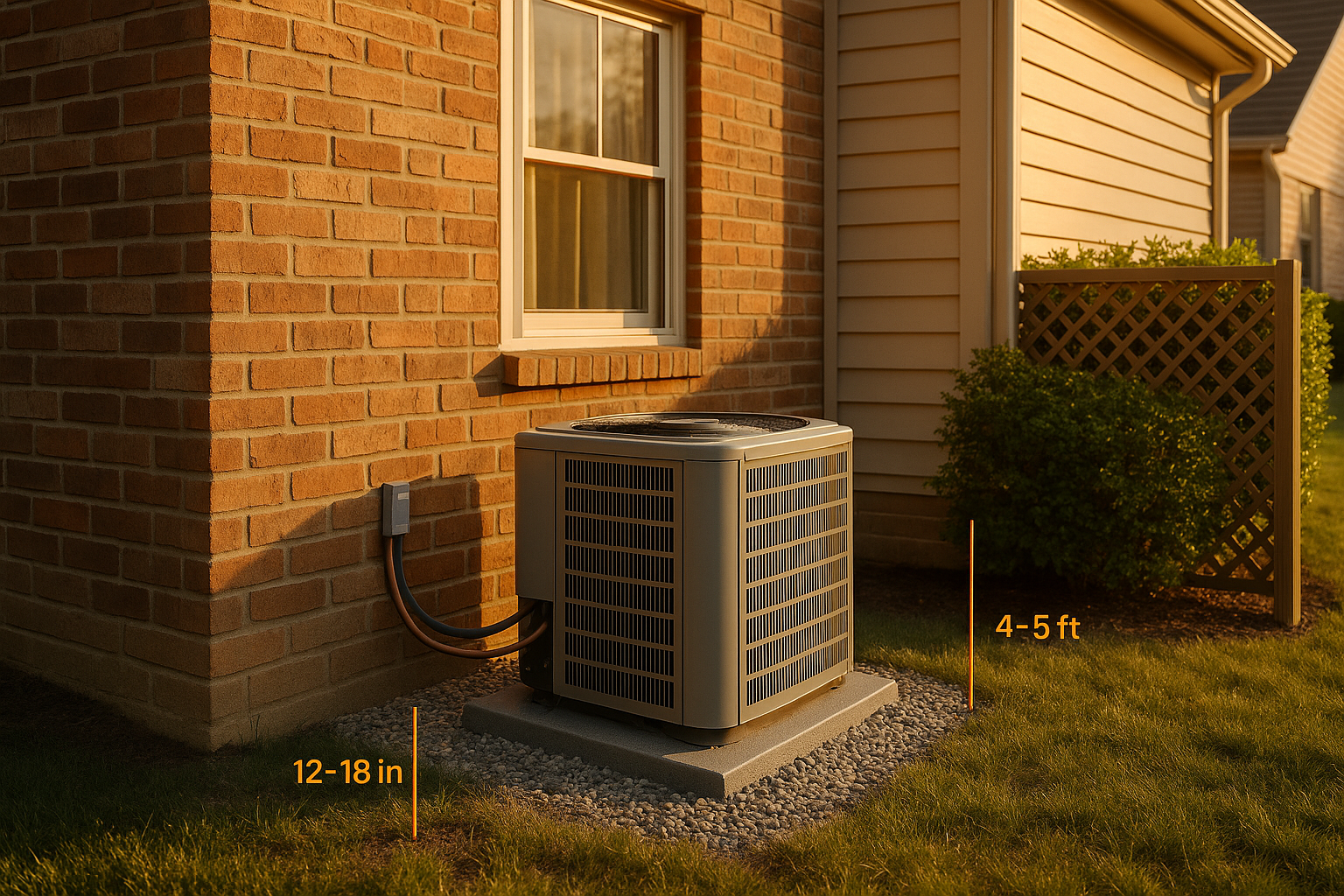
Some homeowners ask about heat pumps instead of a furnace. In Indianapolis, a heat pump alone can work, but when it gets below 20°F, it struggles unless it's a cold-climate model. A better fit for a historic home is a dual-fuel heat pump and furnace setup. You get a high-efficiency gas furnace for the coldest days and a heat pump for mild weather. That can cut your gas usage a lot and keep you cozy. If you want to learn how a heat pump decides when to switch to gas, read our post on what is a heat pump balance point. Just remember that the outdoor unit needs to go somewhere that respects your historic landscape and setbacks. We wrote about outdoor unit placement noise and setbacks too. You don't want it humming next to your neighbor's bedroom window or sitting right against an original limestone foundation. A side yard with some evergreen screening works, but check IHPC rules first.
Permits, Inspections, and Protecting Your House
Any furnace replacement in Indianapolis needs a mechanical permit and likely a gas permit from the City of Indianapolis Department of Business and Neighborhood Services (BNS). If you're adding electrical for a heat pump, you'll need an electrical permit too. Indiana furnace permits aren't optional, and an inspector will check clearances, venting, and gas piping. We pull all permits for our jobs and schedule the inspection. That's part of doing a furnace replacement the right way. And if your home is in a historic district, you might need IHPC approval before any exterior vent or outdoor unit goes in. We handle that paperwork as well — it's not as scary as it sounds. The commission just wants to see that you're being sensitive to the architecture. Show them a paint-matched vent on the rear elevation and they're usually fine.
Installation Day Without the Dust and Drama
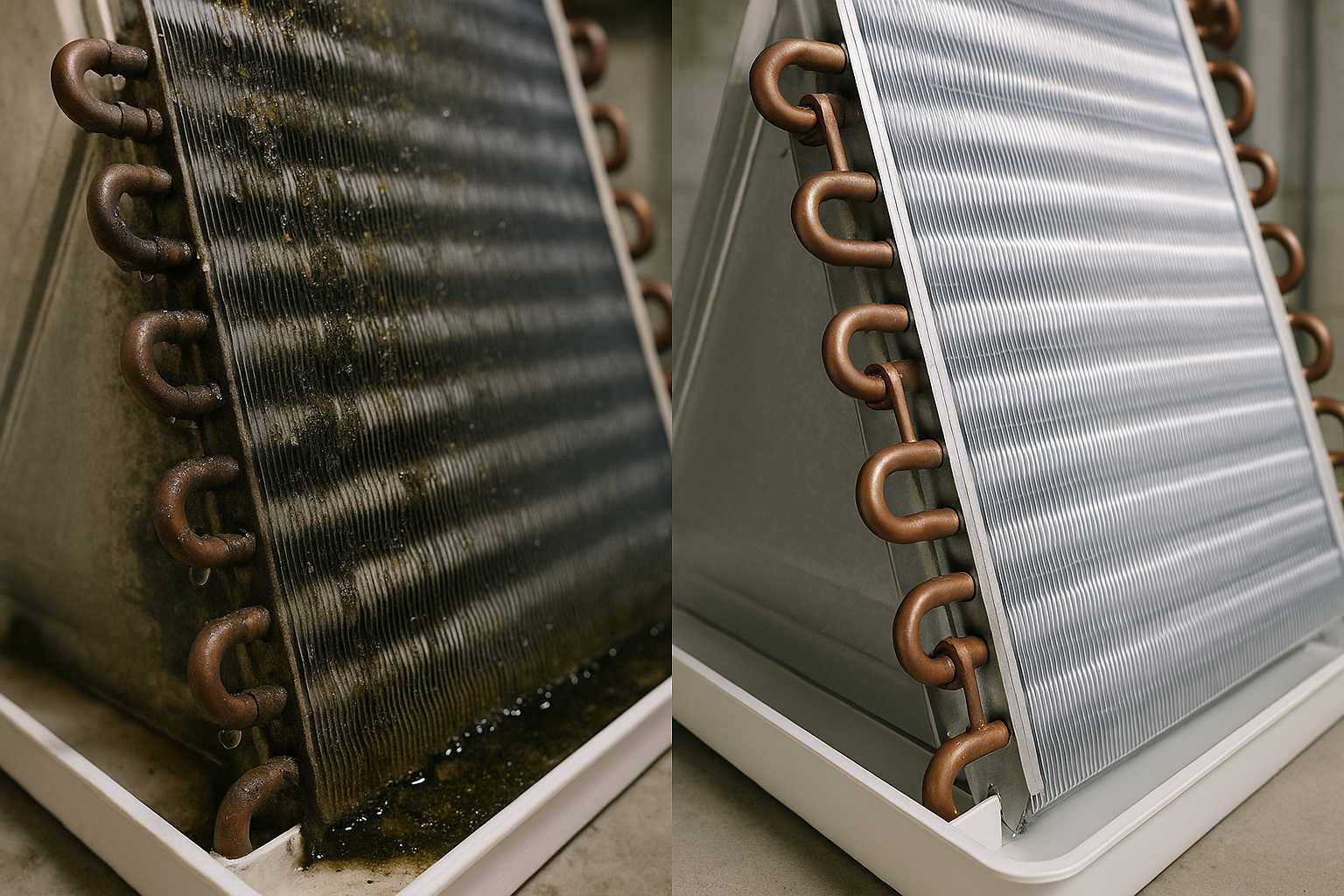
People worry that a furnace install will leave dust everywhere and scratch their original wood floors. We take that seriously. Before we start, we lay down floor runners from the door to the basement stairs. We put plastic barriers over doorways. We use a HEPA vacuum when cutting any holes or removing old ducts. The furnace itself comes apart in sections so it can fit down narrow basement stairs without banging into walls. For a typical historic home furnace installation, the swap-out takes one to two days if the ductwork is mostly reusable. If we need to run new returns or cut into plaster, it might take three days. We always do a final balancing pass, set the blower speeds, and check the temperature rise. Then we show you how to change the filter and set the thermostat. We also recommend a maintenance plan — a high-efficiency furnace has more parts that need annual cleaning, especially the condensate trap.
So, What's the Next Step?
If you live in a 1920s foursquare, a craftsman bungalow in Broad Ripple, or a Victorian in Old Northside and you're tired of fighting your furnace, let's talk. We'll come out, look at your house, measure everything, and give you a written scope that explains exactly what we'd do, what it costs, and how we'll protect your home. No pressure, no jargon. Just a plan that respects your house and keeps you warm. You can schedule an in-home assessment through our quote page. We've done historic home hvac work all over Indianapolis, Carmel, Zionsville, and Greenwood, and we'd be happy to help you next.
Ready for HVAC service or an upgrade?
NATE-certified techs, flat-rate diagnostics, and a free in-home assessment for any replacement — no pressure.