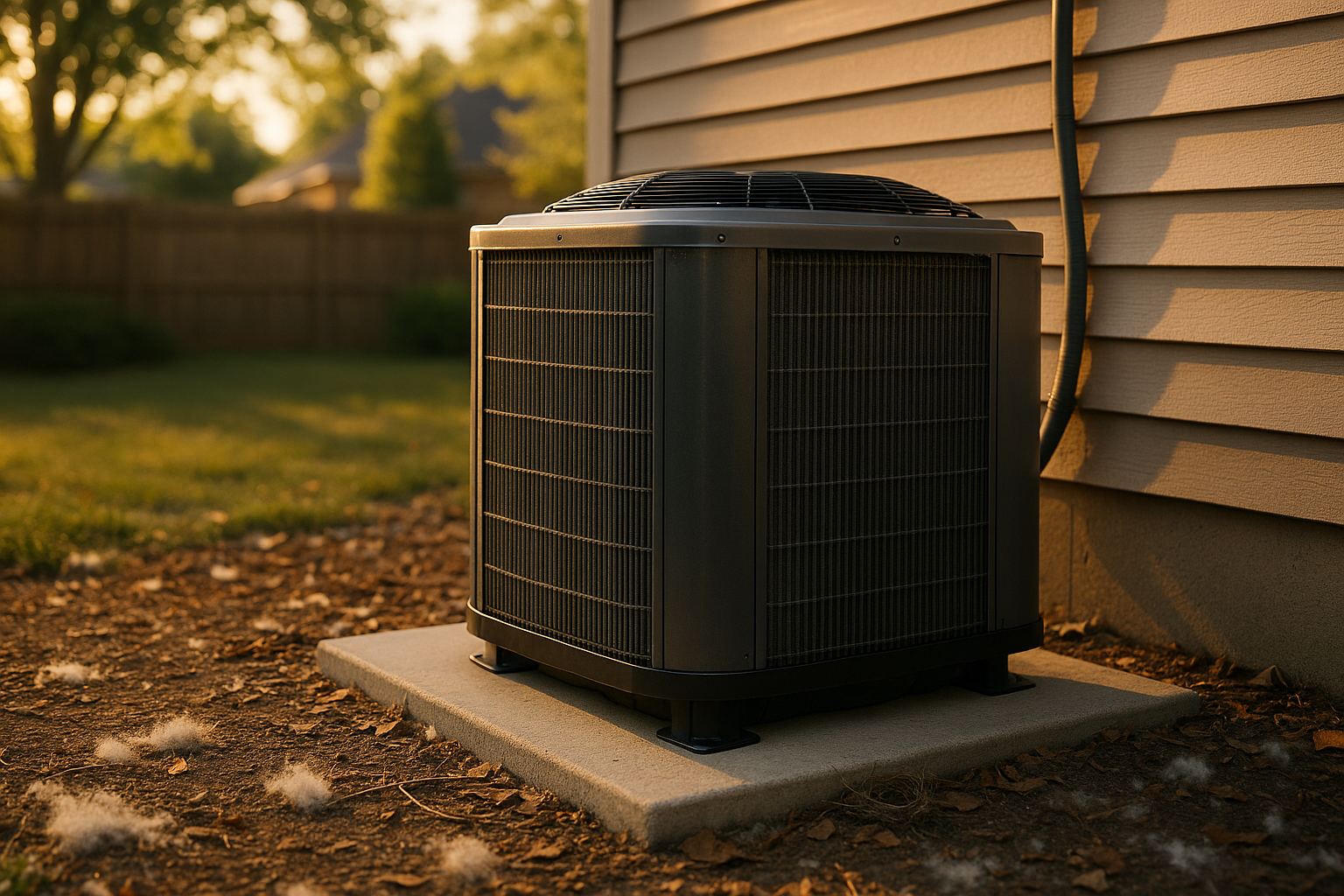
Last fall, I got a text from a friend in Broad Ripple. Her radon test came back at 6.2 pCi/L. She'd just bought the place, no basement sealing, old sump pump hole that looked like a bathtub drain left open. She got a radon mitigation system installed—those PVC pipes and a fan in the attic—but then she started asking about her furnace. "Does my HVAC make radon worse? Should I run the fan all the time? Do I need an ERV or HRV?" Turns out, a lot of Indianapolis homeowners are confused about how radon mitigation and HVAC work together. You're not alone. Let's sort it out.
Radon 101: The Invisible Problem Under Your Basement
Radon is a radioactive gas you can't see, smell, or taste. It comes from uranium breaking down in the soil. In Central Indiana, our clay-heavy soils can trap radon and let it push into homes through cracks, gaps around pipes, and especially sump pits. The EPA says 4.0 pCi/L is the action level. If your test shows at or above that, fix it. But radon levels change with the seasons. In winter, the stack effect—warm air rising out of your house and pulling soil gas in to replace it—gets worse. So a test in January often reads higher than one in July. That's why retesting after any HVAC changes matters.
The Gold Standard: Sub-Slab Depressurization (ASD)
If you've got elevated radon, the right fix is active sub-slab depressurization (ASD). A licensed radon pro installs a pipe through your slab, runs it up through the house or outside, and puts a fan on it that pulls air from under the foundation and blows it above the roof. That's the core of radon mitigation. Your HVAC, ERV, or HRV won't replace that. But here's where radon mitigation hvac gets interesting: how your heating and cooling system moves air can either help or hurt the pressure field the ASD fan creates. A well-balanced home doesn't fight the fan; a leaky, unbalanced one can.
Why Your HVAC Pressure Balance Matters More Than You Think
Every house has a pressure relationship with the ground. If your HVAC system is out of balance—say, you've got more return air being pulled than supply air being pushed, or you've got duct leaks in the attic—your house can go negative. Negative pressure is like having a giant straw stuck in the soil, sucking radon up through every crack. Bathroom fans, kitchen hoods, dryers all add to that negative pressure. So when we talk about radon and HVAC pressure, the goal is to keep your home as close to neutral as possible. Balanced ventilation—installing an ERV or HRV that brings in as much fresh air as it exhausts—can help offset those exhaust fans and keep the pressure steadier. That's not a replacement for ASD, but it's a support system.
ERV vs HRV: What's Right for Indianapolis?
A lot of folks ask us: ERV or HRV? In Indianapolis, we have humid summers and cold, dry winters. An ERV (energy recovery ventilator) transfers both heat and moisture between the incoming and outgoing airstreams. So in summer, it pre-dries the hot humid air coming in; in winter, it puts some of that indoor moisture back before you exhaust the stale air. An HRV (heat recovery ventilator) only moves heat, not moisture. For most Indianapolis homes, especially if you run a whole-home dehumidifier or have a fairly tight house, an ERV often makes more sense. But it's not a one-size-fits-all. If your house is already too humid in summer, an HRV might be the better pick. We look at your existing humidity levels, home tightness, and how you use your basement. The key? Balanced ventilation for radon isn't about removing radon directly—it's about keeping your house pressure from going negative so soil gas doesn't get pulled in. That's the piece a lot of homeowners miss.
Integrating ERV/HRV with Your Radon Fan (Without Screwing It Up)
Here's where coordination matters. Your radon fan moves a specific amount of air under the slab. If you add an ERV/HRV and connect it to your existing ductwork without checking the pressure balance, you might accidentally create zones where the exhaust pulls harder than the supply, turning part of your basement into a negative pressure trap. When it comes to radon mitigation hvac coordination, we always double-check the manometer reading on the radon pipe before and after any ventilation changes. We'll make sure the fresh air intake for the ERV/HRV is at least 10 feet from the radon vent termination (and not downwind). We'll seal sump lids and any penetrations in the basement floor or walls—those open sump pits are like welcome mats for radon. And we'll commission the system: set the CFMs, balance supply and exhaust, and verify the basement pressure with the bathroom fan on. That's basement ventilation strategies done right.
Combustion Safety and Fresh Air: Don't Backdraft Your Furnace
Before we put in any whole-home ERV/HRV installation, we check your gas appliances. Adding a balanced ventilation system should not create backdrafting at your water heater or furnace flue. If your home is really tight and you've got a natural draft water heater, we might need to add makeup air. That's a simple duct that brings outside air near the appliance. We also recommend carbon monoxide detectors on every level, especially near bedrooms. I wrote a whole post about carbon monoxide detector placement in Indiana homes that's worth a look. Gas safety isn't optional. AES Indiana and Citizens Energy Group don't really care if you backdraft, but your lungs will.
Humidity Control, Filtration, and Radon Decay Products
An ERV or HRV won't remove radon gas. But radon decays into solid particles that can attach to dust. A good MERV 13 filter in your HVAC system can catch those particles. That's a nice side benefit, but it's not radon mitigation. Don't think of radon mitigation hvac as a filter swap—filters catch particles, not gas. Humidity control with ERV/HRV is another piece. In summer, an ERV helps keep humidity down so you don't feel sticky. In winter, it prevents the air from getting too dry, which can reduce static shocks and dry skin. Maintenance is simple: change the ERV/HRV filters every 3-6 months, clean the core once a year, and keep the exterior intake hood clear of pollen in spring and leaves in fall. If you've got a whole-home humidifier or dehumidifier, we'll set them to work with the ventilation, not against it.
Retrofitting Older Homes and Seasonal Realities
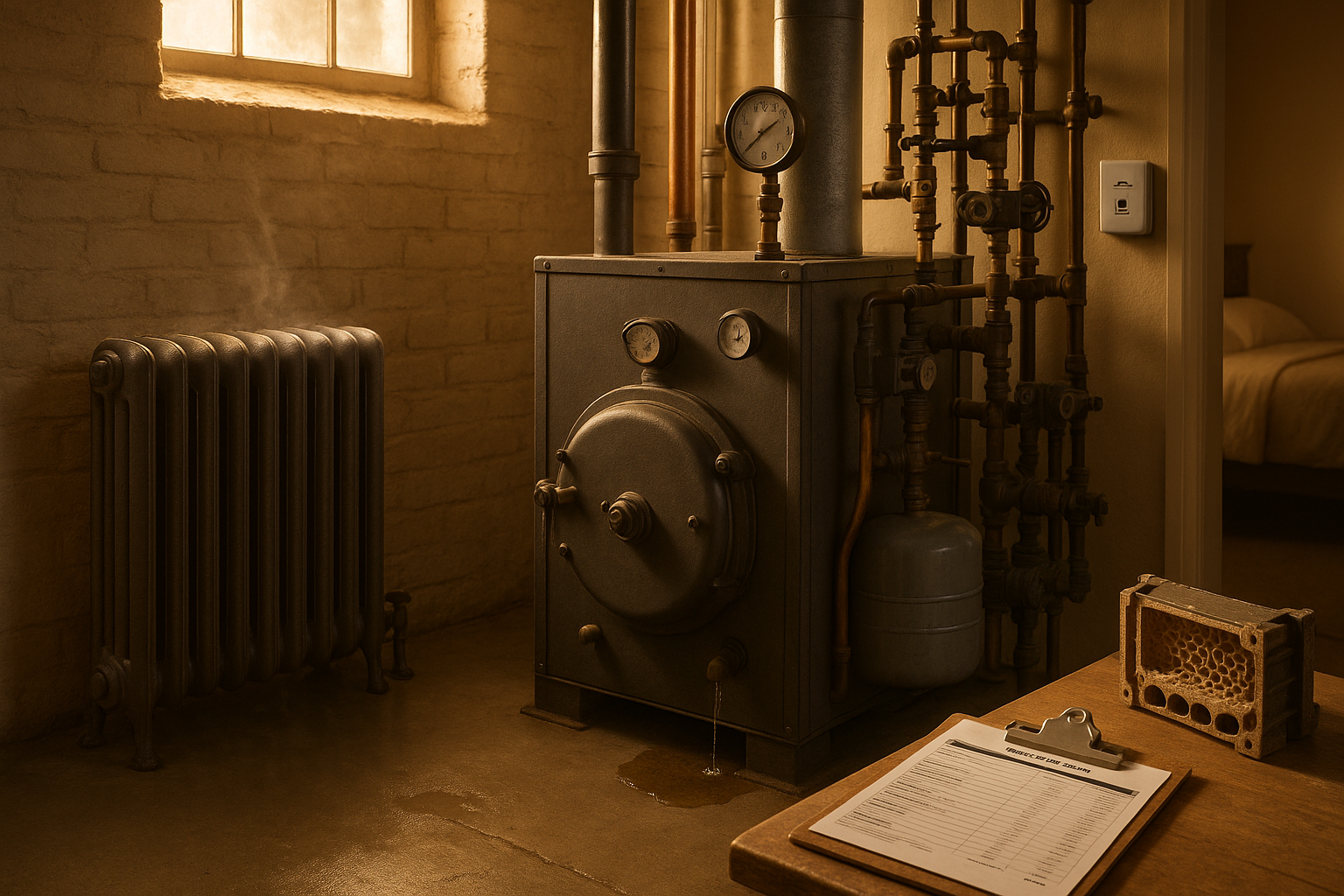
If you live in Meridian-Kessler, Irvington, or Broad Ripple, you know those older homes have charm but not always a clean path for ductwork. That doesn't mean you can't have balanced ventilation. Compact ERV/HRV units can fit in a closet or attic space. We'll use short, insulated duct runs to avoid condensation in unconditioned areas. And we'll pay attention to pressure balancing in tight homes—because a tight house with a big exhaust fan can go negative fast, even without an ERV/HRV. If you're also thinking about replacing an old furnace in a historic home, we've got a guide for that. One more thing: radon levels spike in winter due to the stack effect. So if you install ventilation in the fall, retest radon in January or February to see the real picture.
What Should You Do Next?
Here's my honest opinion. If your radon test is over 4.0 pCi/L, get a licensed radon pro to install an ASD system first. Don't skip that because you're excited about an ERV. Once that's done, call HVACPros for a radon-aware ventilation assessment. We'll look at your radon test results, check your HVAC pressure balance and combustion safety, and give you a clear ERV/HRV plan that works with your radon fan—not against it. Your radon mitigation hvac plan should include both the ASD system and balanced ventilation. No upselling, just the facts. You can schedule a quote right here. And if you want to read more about how we think about older Indianapolis homes, check out our blog.
Ready for HVAC service or an upgrade?
NATE-certified techs, flat-rate diagnostics, and a free in-home assessment for any replacement — no pressure.