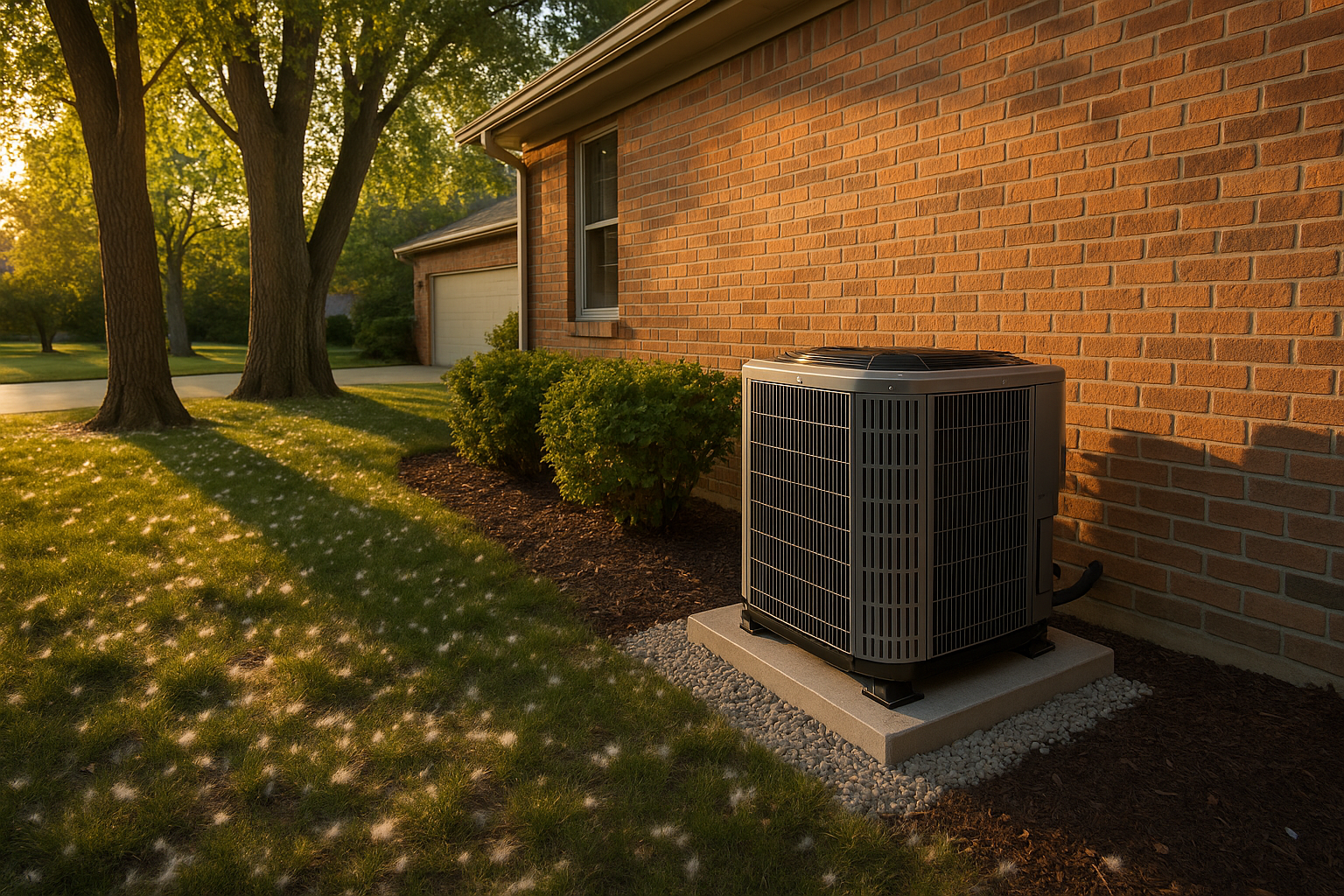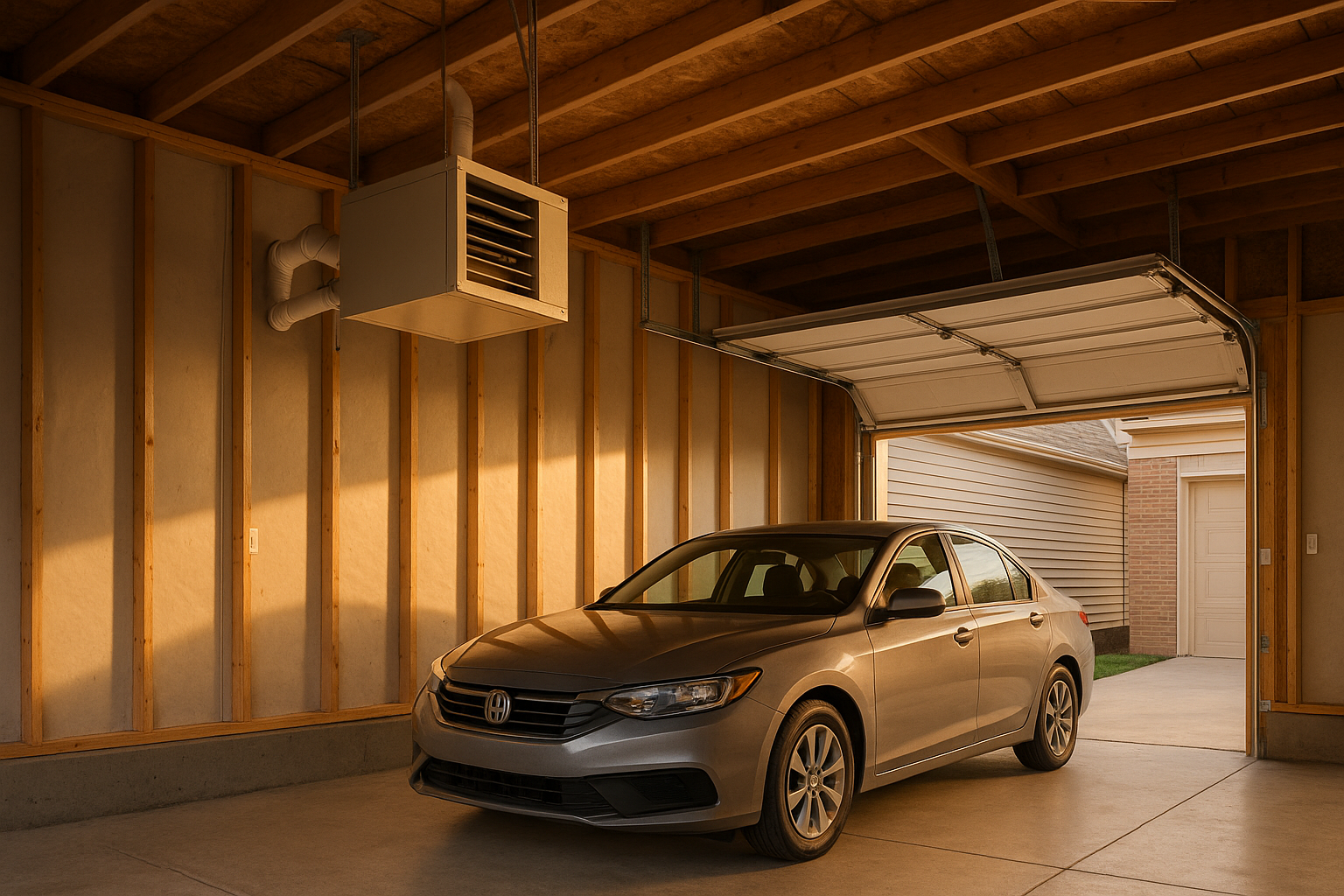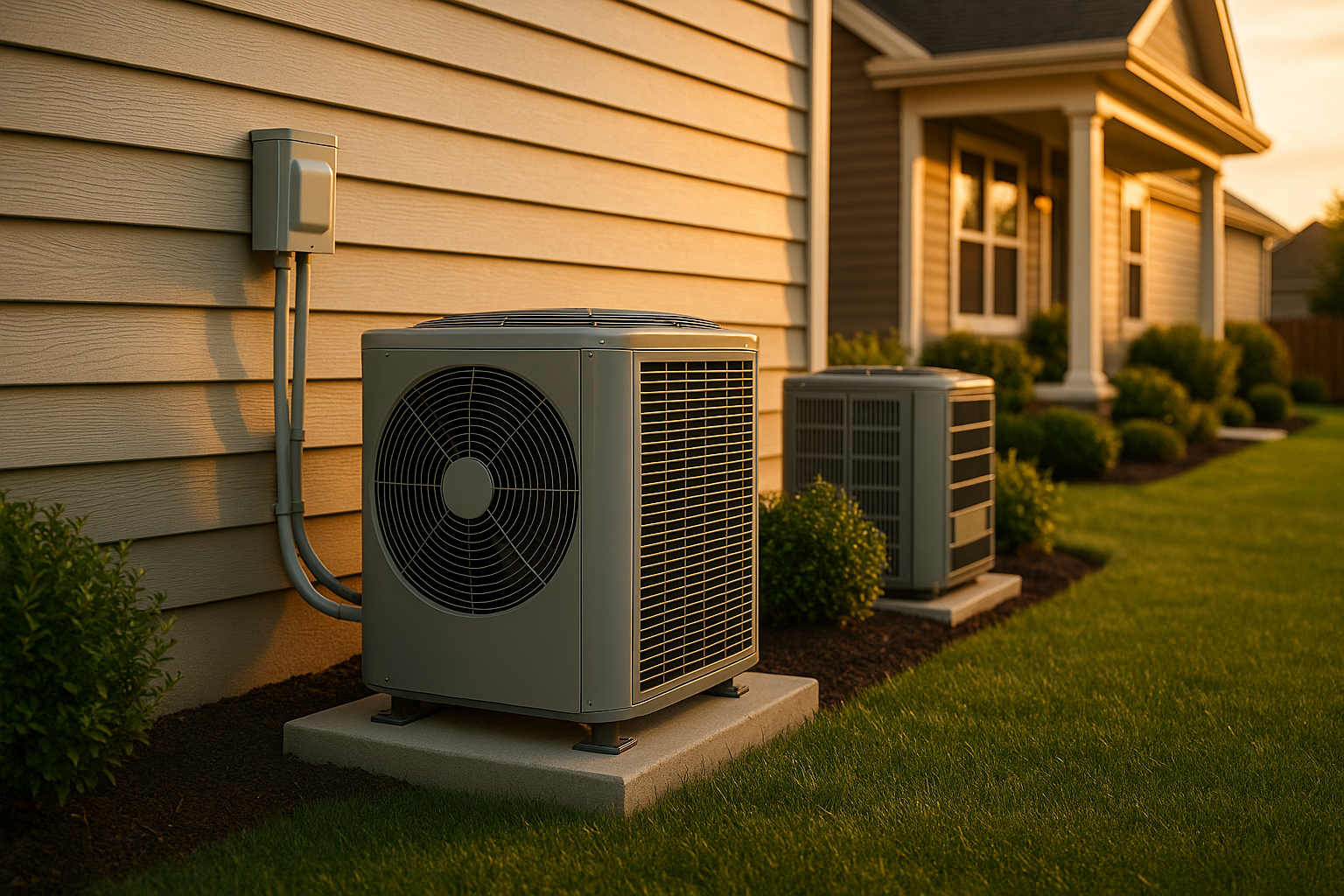
Last winter, my neighbor Dave called me in a panic. His 20-year-old furnace finally gave out on the coldest night in January. He'd been hoping it would last one more season, but no such luck. He rushed into a replacement without looking at tax credits or rebates. A few months later, he found out he could have saved $2,000 if he'd chosen a qualifying heat pump. Ouch. If you're thinking about a new HVAC system in Indiana, don't be like Dave. A little planning can put hundreds — even thousands — back in your pocket.
The good news: there are some solid federal tax credits and local rebates for homeowners in Indianapolis, Carmel, Fishers, and the rest of central Indiana. Let's break down what's available and how to claim them.
Federal Tax Credits: The Big Two
Two main federal credits cover HVAC upgrades. They're both part of the Inflation Reduction Act and are good through 2032.
Energy Efficient Home Improvement Credit (25C)
This one covers a bunch of stuff: heat pumps, central AC, high-efficiency furnaces, heat pump water heaters, electrical panel upgrades tied to those systems, and home energy audits. For most of us, the total you can claim in one year is up to $3,200. That breaks down as:
- Up to $2,000 for heat pumps and heat pump water heaters
- Up to $1,200 combined for central AC ($600 max), gas furnace ($600 max), electrical panel ($600 max), and a home energy audit ($150 max)
But here's the catch: your system has to meet current ENERGY STAR or CEE high-efficiency requirements. You need a manufacturer's certification statement to prove it. Keep that paper safe.
Residential Clean Energy Credit (25D) — Geothermal
If you're going geothermal (a big upfront cost, but huge long-term savings), you get a 30% federal tax credit with no dollar cap. That's for the whole system, including installation. This credit applies to existing homes and even new construction, as long as you live there. Not available for rentals.
What Qualifies in Indiana?
Let's get specific about efficiency levels. For a central air conditioner to get the $600 credit, it needs a SEER2 of at least 16.0 and a EER2 of at least 12.0. For furnaces, 97% AFUE or higher gets you $600. Heat pumps need a SEER2 of 16.0 and HSPF2 of 9.0 or better. These numbers change sometimes, so always check the current year's requirements.
For Indianapolis's climate — hot, humid summers and freezing winters — a cold-climate heat pump or a dual-fuel setup (heat pump plus furnace) can work great. I've seen homeowners in Zionsville and Westfield go with a heat pump and love it, especially when pairing with the federal credit plus a utility rebate.
Indiana Utility Rebates: Stacking Savings
Here's where local programs kick in. AES Indiana and Duke Energy Indiana both offer rebates for qualifying HVAC equipment. The amounts and eligible equipment change, so don't take my word as gospel. But generally, you can stack a utility rebate on top of your federal tax credit. The credit applies to the cost after the rebate, so your out-of-pocket is lower.
For example, if you install a heat pump that costs $10,000 and Duke gives you a $500 rebate, the tax credit is based on the $9,500 you actually paid. That still works in your favor.
AES Indiana HVAC Rebates
They often have rebates for central AC and heat pumps, with higher amounts for higher efficiency. They also offer financing plans. Definitely check their website or ask your contractor to verify current offers.
Duke Energy Indiana HVAC Rebates
Duke's programs vary, but they typically offer rebates for heat pumps, ductless mini splits, and sometimes geothermal. In my experience, the rebates range from $300 to $800 depending on the equipment.
Real Talk: Paperwork and Timing
This is where most homeowners trip up. To claim the federal credit, you'll file IRS Form 5695 with your tax return. Save every receipt, the manufacturer certification statement, and permits. Your contractor should provide a clear scope and efficiency documentation. HVACPros gives you a detailed invoice and all the certs you need.
One thing: the credit is for the year the system is "placed in service" — meaning the year it's installed and running. So if you buy a heat pump in December but it's installed in January, the credit goes on next year's taxes.
Common Questions (And Answers)
Can I claim the credit if I finance the system? Yes. The credit is based on the total cost, not how you pay. Just make sure the system qualifies.
What if my electrical panel needs upgrading for a heat pump? You can claim up to $600 for the panel upgrade if it's needed to support the new equipment. That's separate from the $2,000 heat pump credit.
Will a heat pump keep up in an Indianapolis winter? Yes, if you choose a cold-climate model. Some are rated down to -25°F. Most of our winters stay above 0°F, so you'll be fine. Many homeowners in Noblesville and Greenwood use heat pumps as their primary heat source.
Do new construction or rentals qualify? 25C is for existing homes you live in. 25D geothermal can apply to new construction if it's your primary residence. Rentals? Nope.
Planning Your HVAC Upgrade for Maximum Savings
The best approach is to plan ahead. Don't wait for your system to die in January. Schedule a consult with a contractor who understands tax credits and rebates. HVACPros does a thorough load calculation, inspects your ductwork, and checks your electrical panel. They'll recommend a system that qualifies for every possible credit and rebate.
They also handle permits and code compliance — yes, permits matter for the credit. And they give you all the paperwork your CPA needs.
Example Savings in Indianapolis
Let's say you put in a qualifying heat pump for $12,000. Federal credit: $2,000. Duke Energy rebate: $500 (if available). Total saved: $2,500. Not bad.
Or go geothermal at $25,000. Federal credit: $7,500. Plus a potential utility rebate. That's serious money.
Next Step: Get Your Quote Now
Don't fall into the rush trap. Take advantage of these incentives while they're available. Request a planning-first, tax-credit-ready HVAC assessment with HVACPros and see exactly how much you can save. They'll help you stack federal credits and local rebates for maximum value.
If you're in Avon, Plainfield, Brownsburg, or anywhere in the Indianapolis metro, now's the perfect time to plan your upgrade. Spring and fall are ideal — lower demand means faster scheduling and smoother rebate processing. And your wallet will thank you.
Ready for HVAC service or an upgrade?
NATE-certified techs, flat-rate diagnostics, and a free in-home assessment for any replacement — no pressure.